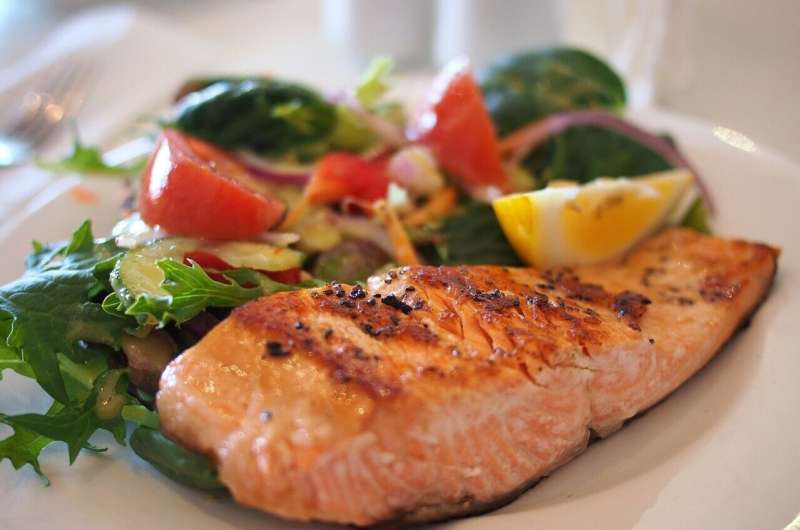
At 20 months old—roughly the mouse equivalent of a 60-year-old human—subjects in a USC-led study began eating a low-protein, plant- and fish-based diet with a precise boost of methionine, an amino acid found in eggs and meat. What followed was striking: these mice not only lived healthier lives but also showed less frailty and lower fat mass, even as they ate as many calories as their counterparts on less beneficial diets. The study, published in Cell Metabolism and led by Valter Longo of the USC Leonard Davis School of Gerontology, suggests that the quality of protein, not just the quantity, may be a key lever in extending healthspan.
Longevity research has long pointed to the Mediterranean diet as a blueprint for healthy aging. Populations in Southern Europe and Okinawa, Japan, who follow plant-rich, moderate-protein diets, consistently rank among the world’s longest-lived. Yet even these groups face high rates of age-related frailty. Longo and his team wondered if tweaking a single nutrient could make a difference. They designed a longevity diet—low in protein, rich in plant foods and fish—and added a small, targeted amount of methionine. The result, dubbed LDMM, was tested against a standard diet, a Western diet high in fats and sugars, and a ketogenic diet. The LDMM group outperformed all others.
Mice on the LDMM diet showed a longer healthspan, reduced fat mass by up to 20%, and maintained lean body mass despite eating freely. They also exhibited higher levels of GLP-1, a signaling molecule linked to improved metabolism and aging regulation across species. "We expected different diets to produce different outcomes, but what really impressed us was how modulating just a single amino acid, methionine, in the longevity diet could produce such dramatic metabolic changes," said Maura Fanti, the study’s first author and a research associate at USC Leonard Davis.
The implications extend beyond mice. The team analyzed dietary data from over 200,000 people and found that those consuming the most animal protein—therefore the most methionine—had twice the rate of type 2 diabetes and higher obesity rates, even when their overall calorie intake was lower and their diets otherwise healthy. This challenges the long-held belief that calorie restriction is essential for metabolic health. Instead, the data suggest that the composition of amino acids in our food may be a more powerful determinant.
"Too little methionine caused frailty, but too much methionine abolished the benefits of this diet," Longo said. The sweet spot appears to be a diet rich in plants and fish, with just enough methionine to support health without tipping into metabolic risk. The team now aims to test this diet in humans through a controlled clinical trial—a step that could bring us closer to a science-backed blueprint for aging well.