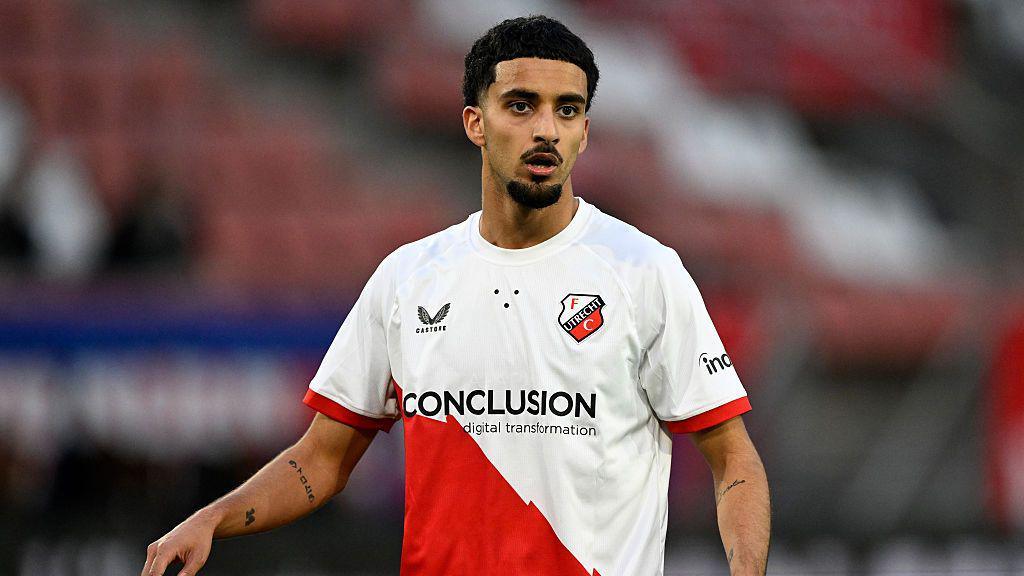
Zidane Iqbal laces up his boots in Al Rayyan, the Iraqi flag stitched on his left, the green and white of Pakistan on his right — a quiet act of pride before what could be a history-making moment on the world’s biggest football stage. If he steps onto the pitch for Iraq during the 2022 World Cup, the 23-year-old midfielder will become the first player of Pakistani heritage to appear in a men’s World Cup, a milestone not for the country he represents, but for one that has long waited for representation: Pakistan. With over 240 million people, Pakistan is the world’s fifth most populous nation, yet its football team has never qualified for a World Cup and has won just one qualifying match in its entire history. Ranked 198th by FIFA, it is among the 15 lowest-ranked football nations globally. For generations, Pakistani football fans have watched from the sidelines — until now. Iqbal, born in Manchester to a Pakistani father and Iraqi mother, embodies a bridge between identity and aspiration. He came through the famed Manchester United academy and made Champions League history as the first British South Asian to play in the competition in nearly two decades. But this moment carries deeper resonance. "When people ask me what I feel more connected to, I can't answer. For me, they're both equal. It's about respect and something I carry with a lot of pride," he says. His boots, stitched with both flags, are a daily declaration of that truth. For fans like Ahmed Shahzad, who runs the platform Pakistani Talents, Iqbal’s presence is transformative. "Every Pakistani football fan knows about Zidane Iqbal," Shahzad says. "Seeing someone openly embrace their identity... makes football feel a lot more believable for us." Across living rooms in Lahore, Karachi, and British-Pakistani communities in Manchester and Birmingham, millions will cheer not just for Iqbal, but for Iraq — adopting them as their own in a tournament where Pakistan has never stood. Iraq’s path here was grueling: 21 qualifying matches, the most of any nation, culminating in a dramatic last-place qualification. Their last World Cup appearance was in 1986. Now, with a young squad facing titans like two-time champions France and a Norway side led by world-class talent, the stakes are high. But Iqbal believes Iraq can "shock the world." And in doing so, he may inspire a generation of young South Asians to believe that football — and history — is not out of reach.
198th Pakistan FIFA ranking
1 World Cup qualifying wins
240+ Million Pakistan population