For years, many women navigating menopause were told to avoid hormone therapy due to safety concerns. Now, a new study is reframing that conversation with a striking finding: women on menopausal hormone therapy showed 69% less risk of low bone mineral density compared to those who weren't taking it.
The research, presented at ENDO 2026 in Chicago, tracked 387 postmenopausal women who underwent bone density scans between 2021 and 2025. Of the participants, 33% were using menopausal hormone therapy while 67% were not. The results held even after accounting for factors like age, time since menopause, vitamin D levels, smoking status, and other health conditions.
"In simple terms: menopausal hormone therapy appears to independently protect bones, not just by coincidence," said Diego Espinoza-Peralta, M.D., M.Sc., vice president of the Mexican Society of Nutrition and Endocrinology and principal investigator at Investigación Médica Sonora. The protection was observed in both the spine and hip—areas most vulnerable to fractures that can lead to disability and loss of independence.
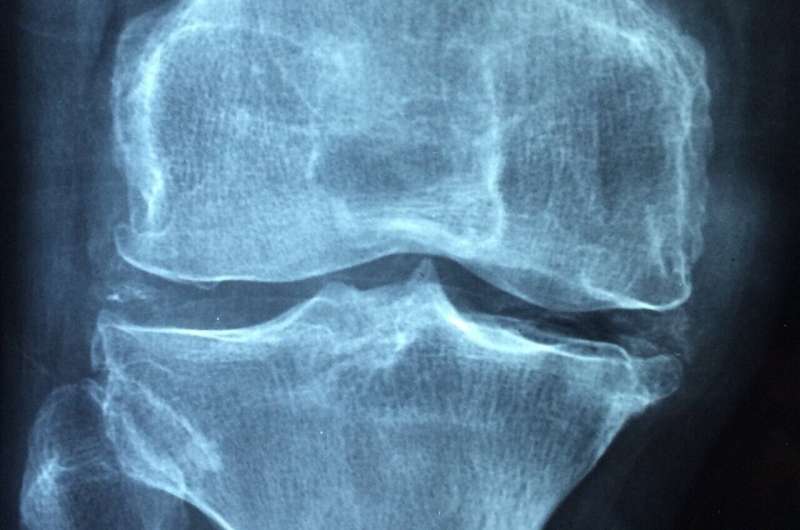
Low bone mineral density, which includes osteopenia and osteoporosis, affects millions of postmenopausal women worldwide and significantly increases fracture risk. Until now, hormone therapy has been approached cautiously due to past safety warnings. But Espinoza-Peralta suggests the tide may be turning: "That shifts the conversation from 'avoid if possible' to 'reconsider in the right patient.'"
The implications extend beyond bone health alone. Because hormone therapy also addresses common menopausal symptoms like hot flashes and sleep disturbances, the potential dual benefit—symptom relief paired with fracture prevention—could meaningfully improve quality of life for women in the years after menopause.
"Clinicians may begin to weigh its benefits more carefully, especially in women early after menopause, potentially improving long-term health and quality of life," Espinoza-Peralta said.
While more research is needed to confirm these findings across broader populations, the study offers a compelling reason to revisit assumptions about a treatment millions of women have long been wary of using.