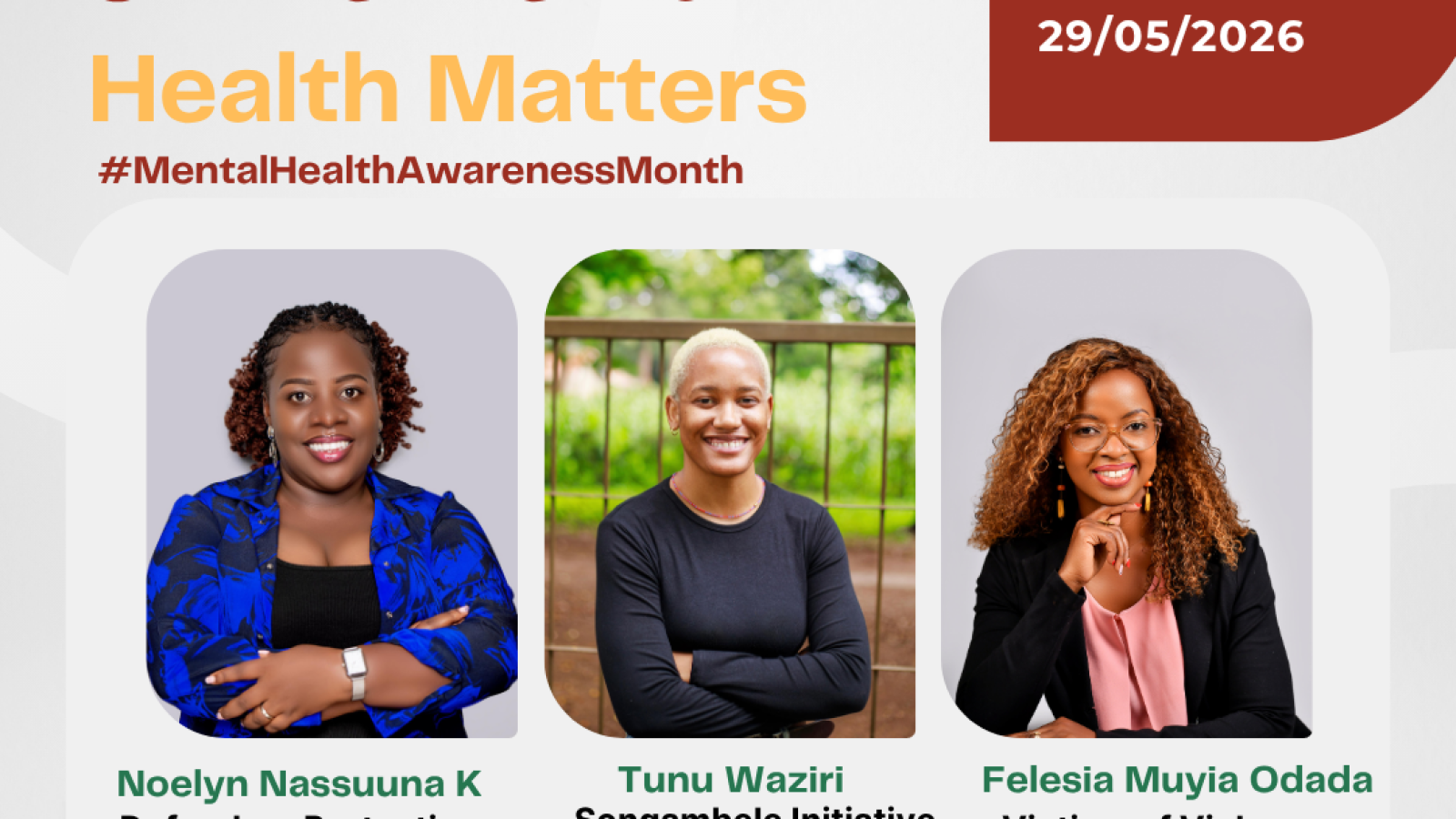
In Uganda, Kenya, and Tanzania, a growing chorus of activists, journalists, and human rights defenders is raising an alarm that digital spaces have become dangerous territory for some of the region's most vulnerable voices. The Defenders Protection Initiative and Victims of Violence Support Africa recently convened an online session titled "Online Mental Health Matters" to examine a crisis that many in East Africa know all too well: technology-facilitated violence is not just damaging digital identities — it is eroding mental health, silencing activists, and sometimes escalating into physical danger.
The scale of the problem is staggering. Research presented by Kenyan activist Felicia Muia Odada revealed that more than 50% of female political aspirants experienced online harassment during elections, while nearly 90% of students reported witnessing some form of online violence. Women leaders, journalists, and marginalized communities face the most vicious attacks, with harassers weaponizing intimate details, manipulating images, and orchestrating coordinated campaigns designed to humiliate and silence.
The landscape of digital violence has evolved dramatically. Beyond traditional cyberbullying, women in East Africa now contend with doxing, deepfakes, non-consensual image sharing, coordinated hate campaigns, and AI-generated manipulated content. On platforms like Facebook, TikTok, X, and WhatsApp — tools that should enable civic participation and community — many women journalists and politicians find themselves targeted not for their ideas but for their appearance, sexuality, and personal lives. The violence is often public, relentless, and designed to humiliate.
What makes this crisis distinct is its psychological toll. Tunu Wazi from Tanzania highlighted how the burden extends far beyond individual attacks. Activists and advocates working continuously online face exhaustion from constant exposure to trauma, always-on work cultures, and the emotional weight of supporting survivors. The symptoms are real: sleep disruption, difficulty concentrating, emotional numbness, and pervasive anxiety. Many defenders experience insomnia and fear before even logging on.
Perhaps most troubling is what experts describe as "digital homelessness." When survivors of online abuse withdraw from digital spaces to protect themselves, they lose access to platforms essential for work, activism, and social connection. For journalists and feminists whose visibility is their livelihood, this creates an impossible choice: remain online and face attacks, or disappear and lose income, influence, and voice.
The crisis becomes even more urgent when online harassment spills into physical reality. During the webinar, one participant shared that she had been physically attacked three times in a single month, her assailants emboldened by the coordinated online campaigns against her. Her story underscores a hard truth that East African defenders know: the line between digital and physical violence has blurred almost entirely.
What emerged from the session was a unified call: digital security and mental wellness must no longer be treated as separate issues. The region's human rights defenders, activists, and communities are demanding that grassroots engagement on digital safety becomes inseparable from mental health support. Until the digital spaces that fuel civic participation are made safer, East Africa's most marginalized voices will continue to face an impossible burden — the cost of simply being heard.