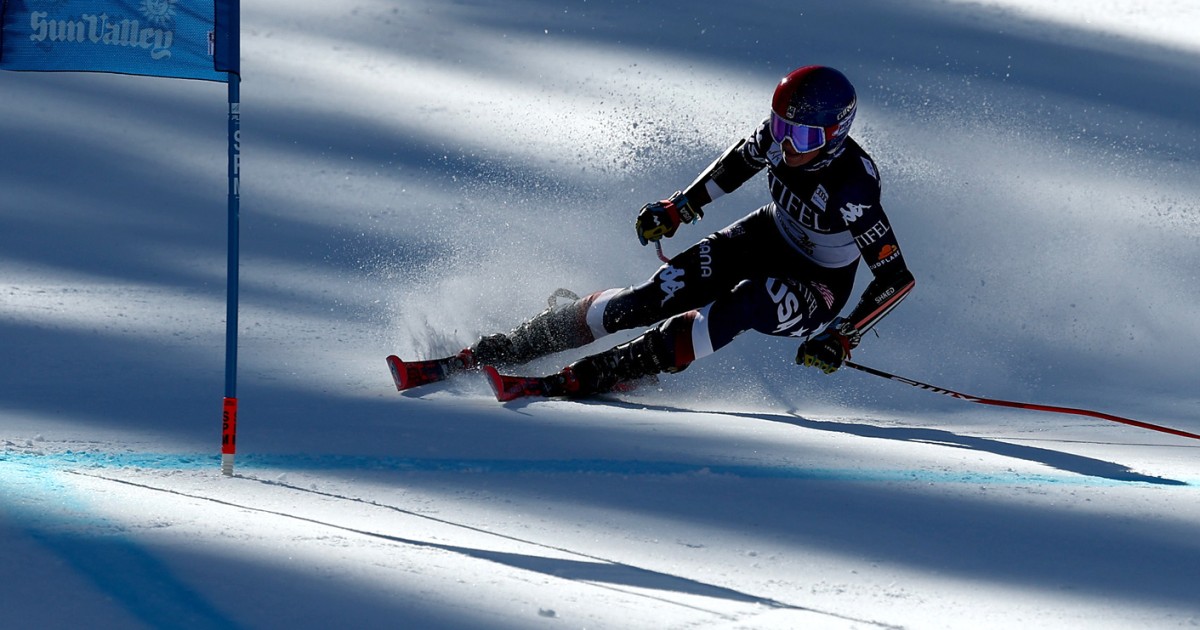
Mikaela Shiffrin crossed the finish line in Cortina and let the emotion pour out—a gold medal gleaming, years of preparation vindicated in the crisp Alpine air. Milan Cortina 2026 has become a stage not just for athletic excellence, but for a quiet revolution in how the world's winter sports community honors its athletes with disabilities.
The Milan Cortina Winter Olympics and Paralympics have showcased the extraordinary range of human achievement across snow and ice. From the slopes where elite skiers navigate precisely designed courses to the innovative fields where para-athletes compete with ingenuity and grit, these games represent a moment when winter sports have expanded their embrace.
Mikaela Shiffrin's gold medal victory stands as one of the defining moments of the games, capturing the attention of millions who watched her emotional celebration. But the story extends far beyond individual triumphs. The United States has demonstrated dominant performances across multiple disciplines, including a remarkable sweep of both Olympic and Paralympic hockey tournaments. This dual success underscores the depth of competitive talent in winter sports globally and the commitment that countries like the United States bring to both able-bodied and para-athlete competitions.
The Paralympics have made their own powerful statement in Cortina. Para snowboarders, para ice hockey athletes, and Paralympic Alpine skiers have captivated audiences with competitions that showcase innovative scoring systems and adaptive techniques. Para biathlon athletes, for instance, navigate the slopes and aim with their ears—a testament to the human capacity for adaptation and precision. These events have drawn viewers into the specificity and technical brilliance of Paralympic sport, proving that when visibility and investment meet talent, the results are electric.
One particularly symbolic moment came with the decision to allow Russia and Belarus to compete in the Paralympics after a previous ban, signaling a reopening of international competition pathways. Meanwhile, the return of a figure skating coach embroiled in doping controversy has prompted ongoing scrutiny about accountability in elite sport—a reminder that these games exist within complex geopolitical and ethical landscapes.
Beyond the competition itself, Cortina has revealed itself as a city steeped in Alpine tradition and modern hospitality. Historic bars like the Campari institution in Milan have become gathering spots for aperitivo and conversation, while local pizzerias have filled their spaces with Olympic torches. Journalists and broadcasters have documented the behind-the-scenes moments—from the O'Brien family preparing for their bobsledding competition to the mixed zones where athletes decompress after their performances.
The introduction of new sports and events continues to expand the winter Olympic footprint. Skimo, the newest winter sport to debut at these games, represents an experimental spirit that keeps the Olympics fresh and inclusive. These additions, alongside the robust Paralympic program, suggest that winter sports are becoming more diverse, more representative, and more ambitious about who gets to compete on the world's biggest stage.
As Cortina hosts athletes from around the globe, the games are reinforcing a fundamental truth: excellence in winter sports is not confined to a single body type or ability level. From Shiffrin's emotional gold to the sweep of hockey tournaments to the innovative competitions on the slopes and ice, Milan Cortina 2026 is writing a more expansive story about what winter sports can be.