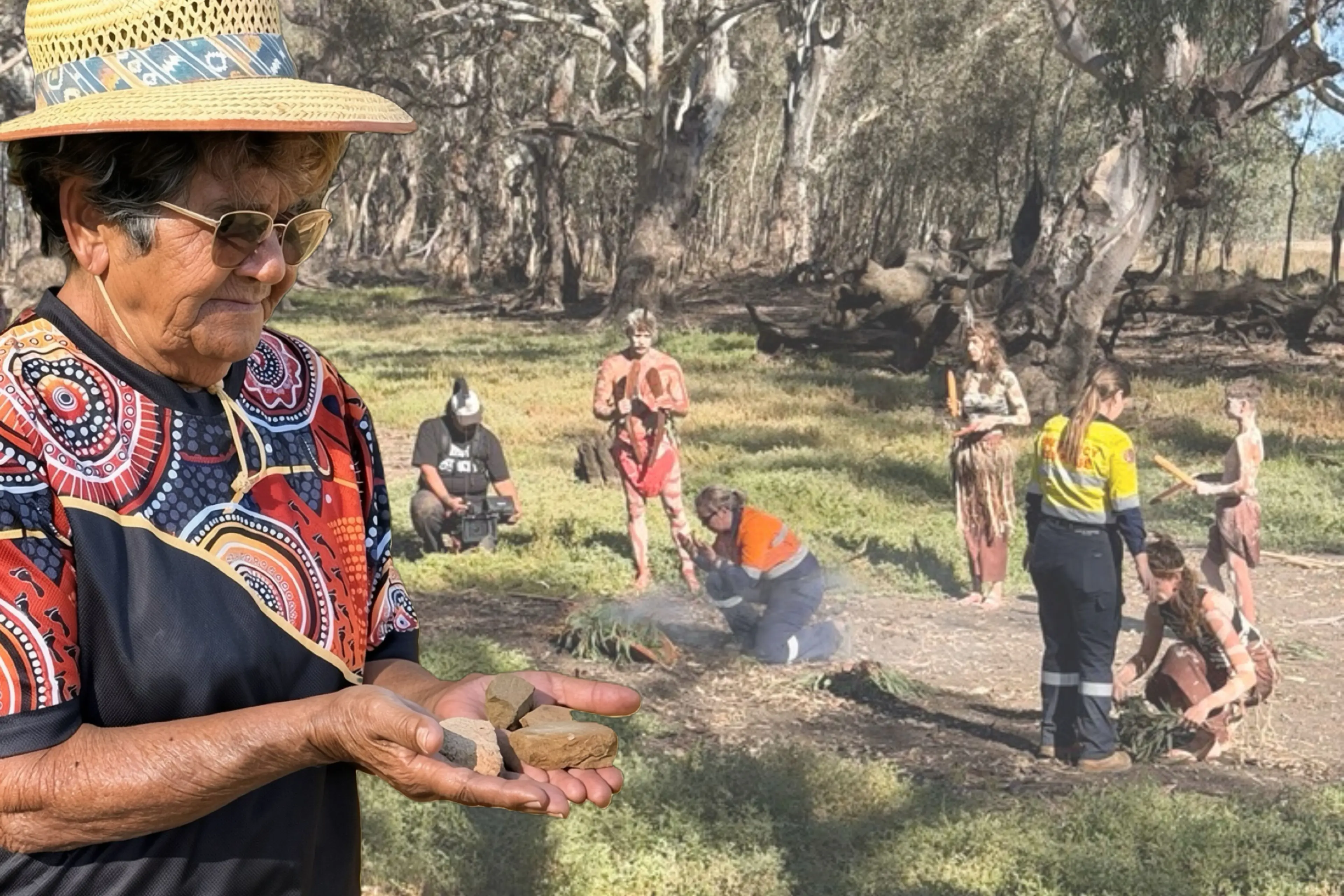
On 23 April at Peak Hill in New South Wales, Northparkes Operations made history by returning three decades of Aboriginal cultural artefacts to the Traditional Owners who call this ancient Country home. It was the mining company's first-ever repatriation ceremony, and the gathering proved deeply emotional for everyone present — a rare and significant moment where the interests of industry and Indigenous stewardship aligned in genuine partnership.
The artefacts at the centre of this ceremony had accumulated over 30 years, either removed temporarily to keep them safe during mining operations or stored onsite awaiting this moment. Their return mattered profoundly because these objects are far more than historical relics. As Northparkes general manager Thomas Lethbridge explained, they carry meaning, identity and connection — to people, to Country, and to generations past and future. They are part of a living culture stretching back tens of thousands of years.
The formal ceremony itself reflected the deep respect guiding the repatriation process. It included a smoking ceremony led by Tyrone Robinson, cultural dancing, and the sacred smoking of the artefacts before they were placed in their chosen location on Country. The event was coordinated through collaborative effort between Northparkes' Aboriginal liaison officers and the Peak Hill Local Aboriginal Land Council (LALC), the body representing the Upper Bogan Aboriginal community.
Frances Robinson, the Peak Hill LALC chair, gave the Welcome to Country and spoke to the significance of the occasion. "Thirty years of artefacts were returned to Country with the utmost respect," she said, emphasizing that this represented a most important event for her community. She also noted the care, planning and respect shown throughout the process — qualities that didn't emerge by accident but through genuine partnership and listening on both sides.
For Lethbridge and Northparkes, this repatriation reflected a fundamental shift in how they understand their role as a mining operation. The ground they work on holds far more than mineral resources. "It holds stories, history and deep cultural significance," Lethbridge said, adding that this is something the company actively respects and now embeds into everything it does. The repatriation wasn't performative; it was evidence of commitment demonstrated through action rather than words alone.
Cr Joy Paddison, a local council member, was invited to witness the event because of her genuine support for the community shown since a Solidarity Walk in December. She described it as a privilege to witness the significance of artefacts being respectfully returned to Country — a sentiment that speaks to how rare and meaningful such moments truly are in Australia's mining landscape, where the tensions between resource extraction and Indigenous cultural preservation have historically overshadowed cooperation.
This ceremony at Peak Hill demonstrates that change is possible. When mining companies choose to listen and learn, when Traditional Owners' authority over their cultural heritage is genuinely respected, and when both parties commit to partnership beyond rhetoric, the result can be transformative. For the Upper Bogan Aboriginal community, those 30 years of artefacts are now home, where they belong, carried forward by a people determined to keep their culture alive.