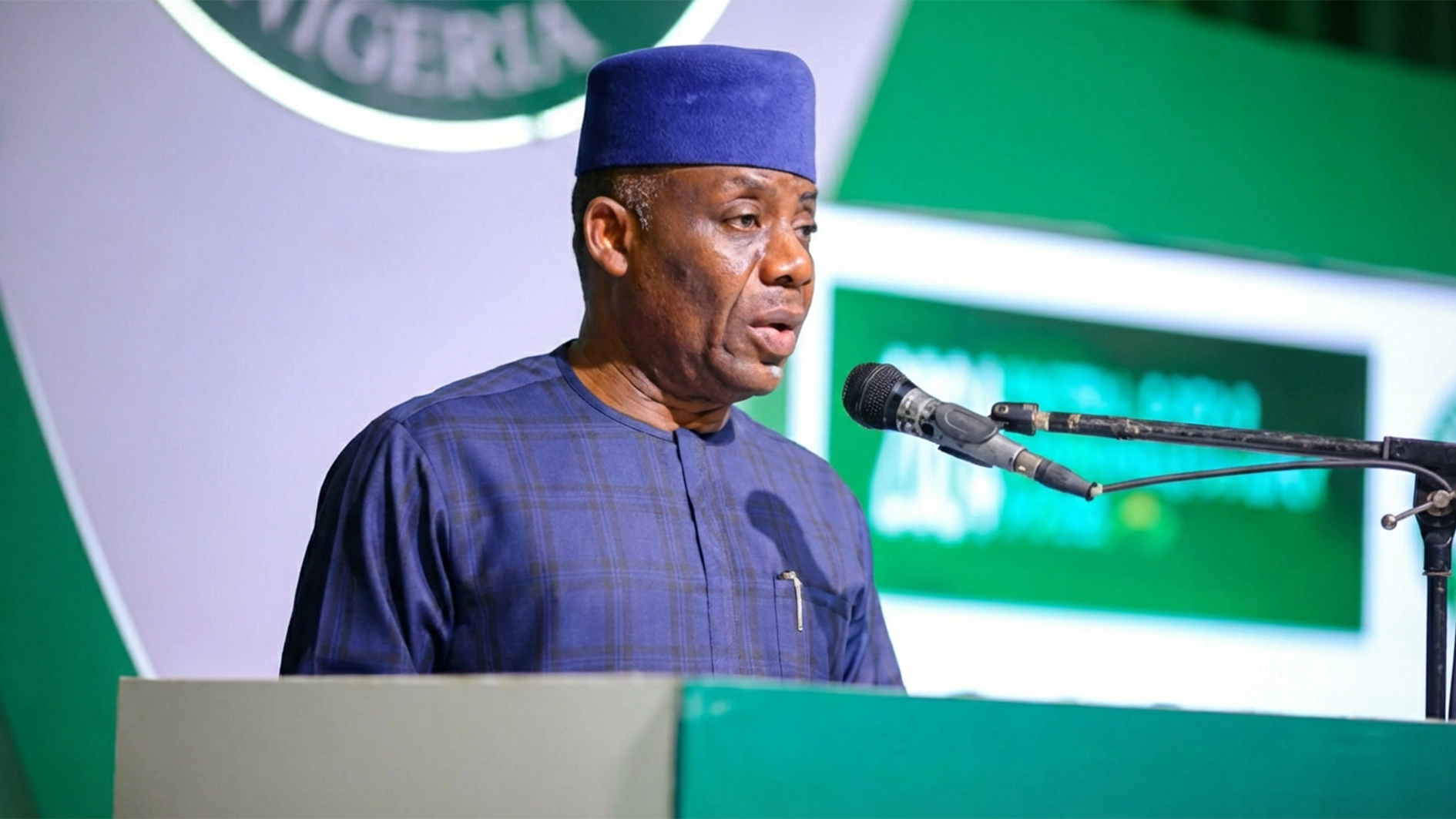
In a London hotel this week, Nigeria's Minister of Education made a quiet but striking declaration: his country had unified how it teaches reading and math to all its children, whether they sit in formal classrooms or learn in community programs. Dr Tunji Alausa was speaking at the Education World Forum in the United Kingdom, sharing results that suggest a nation finding its footing in one of the world's most urgent challenges—helping children actually learn to read.
The numbers matter because they speak to scale and speed. Nigeria's Foundational Literacy and Numeracy initiatives have brought formal and non-formal education systems under a single national standard. The strategy includes two core programs: RANA for younger primary students and Teaching at the Right Level for older ones, now rolling out across 15 states through the Universal Basic Education Commission. These aren't scattered pilots. They use structured lesson plans, weekly teacher coaching, and regular assessments—the unglamorous infrastructure that actually changes how children learn.
The Accelerated Basic Education Programme, developed by Nigeria's Educational Research and Development Council, targets the children farthest from classrooms. It promises the same foundational literacy and numeracy outcomes for out-of-school children and adolescents, but compresses the timeline to three years. That matters in a country where millions of young people have never had a stable learning opportunity.
But the most striking evidence comes from three state-led models already proving their worth. In Kwara, the KwaraLEARN program halved foundational learning deficiencies in less than two years. In Bayelsa, BayelsaPRIME improved literacy by 20 percentage points in just 19 weeks. These aren't marginal gains. In educational terms, cutting learning deficiencies in half and boosting literacy by a fifth represent the kind of measurable, rapid change that usually takes years. EKOEXCEL in Lagos sits alongside them as a working model—all three grounded in data and enabled by technology.
What makes this noteworthy for Meridia's readers is not just what Nigeria is doing, but how it's being embedded into governance. Foundational literacy and numeracy now sit at the centre of President Bola Tinubu's Renewed Hope Agenda. The Federal Government is finalizing a National Policy on Foundational Literacy and Numeracy designed to provide the legal and institutional framework needed for reforms to stick across federal, state, and non-formal systems. That's the difference between a successful pilot and a lasting transformation—building it into how the system actually works.
Alausa framed this plainly: "The model is working, and we are now scaling it nationally." That confidence rests on evidence. When a literacy program halves deficiencies in two years, when another boosts outcomes by 20 points in 19 weeks, the case for expansion becomes hard to argue against. For a nation where foundational learning gaps have long been an inherited disadvantage passed down through generations, these gains suggest a different path forward—one where every child, whether in a formal classroom or learning outside the system, has a genuine shot at basic literacy and numeracy.