In a hardware store 25 years ago, MIT researcher Yet-Ming Chiang spotted a glass etching cream and noticed its secret ingredient: ammonium fluoride. That casual observation has now rippled into a potential revolution in how the world extracts lithium from rock.
Today, lithium demand is surging as batteries power everything from electric vehicles to grid storage, yet the process for pulling it from hard rock minerals remains brutally inefficient. The U.S. and Australia sit atop vast lithium reserves they cannot easily tap, while China dominates global refining. Current hard rock extraction requires baking minerals at over 1,000 degrees Celsius—an energy-intensive, wasteful process far more expensive than extracting lithium from brine water, which carries its own environmental costs. The mineral that gets discarded after processing often ends up as waste.
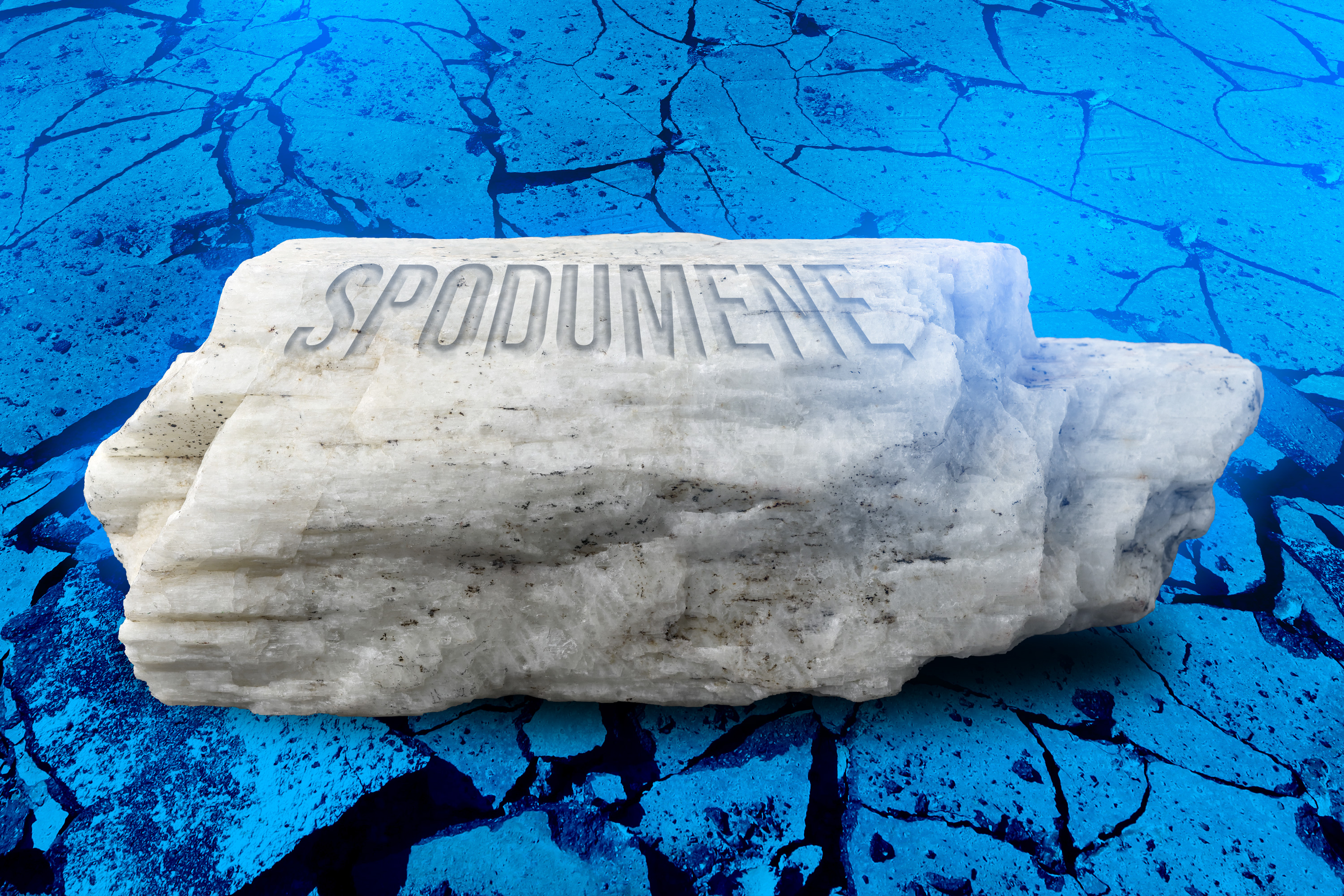
A team from MIT and collaborators has now upended that model. Publishing today in Science, they describe a low-temperature process that dissolves spodumene—the most common lithium-bearing mineral—at room temperature using ammonium fluoride dissolved in water. The breakthrough works because the researchers reversed conventional chemistry: instead of leaving silica behind as waste, they dissolve the silica first, unlocking the lithium within.
What makes this process genuinely transformative is what happens next. Rather than abandoning the rest of the rock, the team isolated three useful products from a single mineral: battery-grade lithium salts (lithium hydroxide and lithium carbonate), smelter-grade alumina, and cement-ready silica. The solvent and reagent are recovered and reused, pushing waste levels toward zero. The researchers estimate the closed-loop process costs roughly half as much as traditional hard rock extraction—making it competitive with brine-based methods.
Camden Hunt, a former project manager in MIT's Center for Electrification and Decarbonization of Industry and lead author of the paper, puts the stakes plainly: "By 2040, we need to quadruple production of lithium globally, which amounts to hundreds of new lithium producing assets. Hard rock is abundant; you can find it everywhere. But most hard rock refining is done in China." He argues that an easier extraction method could reshore critical mineral production to the U.S., aligning with recent policy pushes for domestic supply chains.
The research team included Benjamin Mowbray, a former MIT postdoc; Kalyn Fuelling, a PhD candidate; Jacqueline Prawira, an MIT undergraduate; Khashayar Jafari, a former senior researcher from MIT's green cement spinout Sublime Systems; and Chiang, MIT's Kyocera Professor of Materials Science and Engineering. Mowbray, who holds a PhD in chemistry, described the puzzle: "Dissolving silica is the hard part in mining. The next question was how do we apply it to impactful mineral processing problems?"
The team has already begun commercializing the technology through an MIT spinout called Rock Zero, signaling confidence that the lab breakthrough can scale into industrial practice. For a world racing to build batteries fast enough to meet climate commitments, a cheaper and cleaner path to lithium could prove essential. The research suggests that sometimes the solution to a modern crisis sits hiding in plain sight—waiting for someone to remember a glass etching cream.