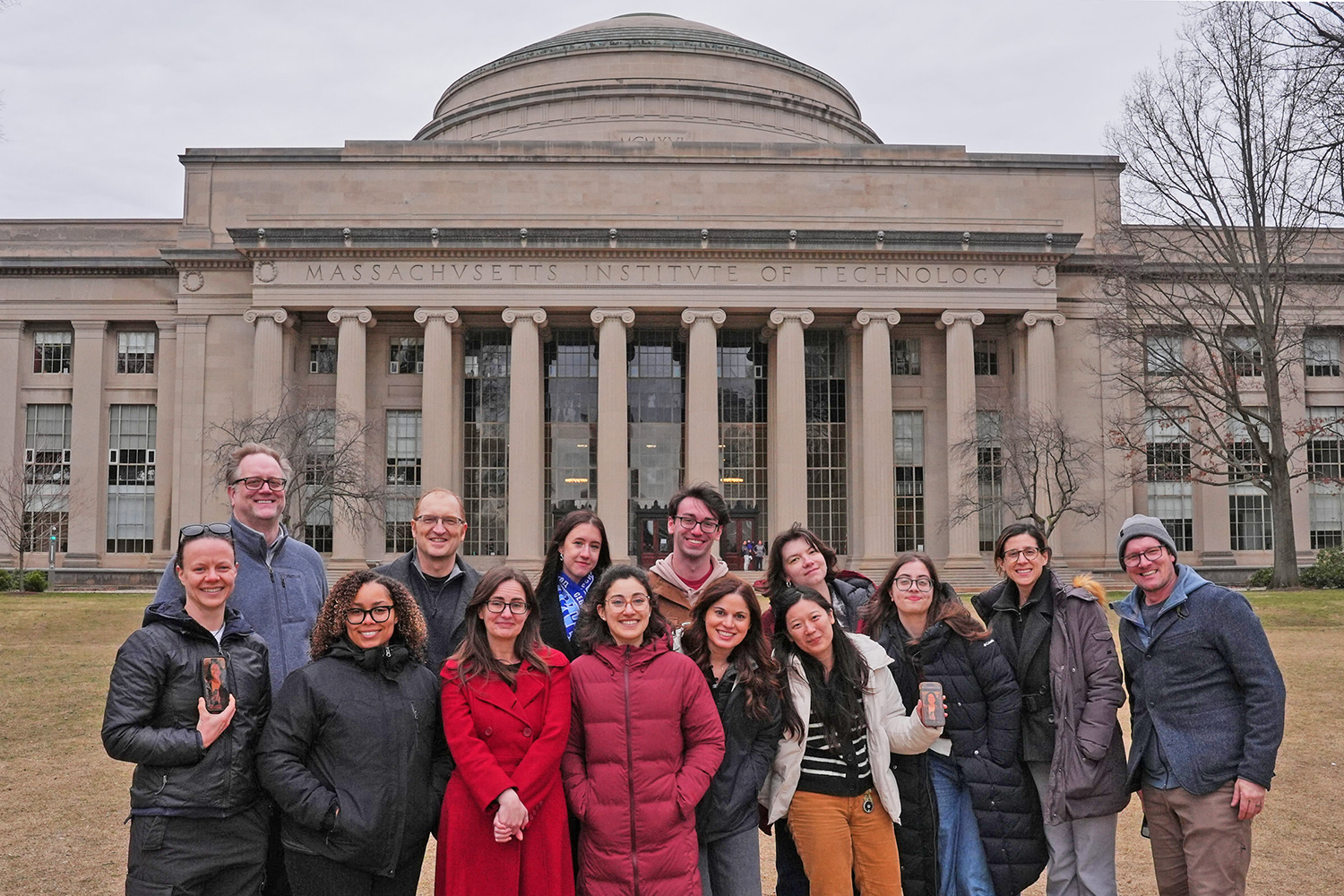
This spring, six climate reporters from The Associated Press boarded planes from across the United States to meet with MIT journalism students in Boston for an intense, four-day collaboration that would transform classroom learning into published work. Over one pivotal weekend, the graduate students pitched their own environmental stories, then worked shoulder-to-shoulder with AP visual journalists to report, shoot, and produce four pieces that would reach nearly 4 billion people worldwide through AP's networks.
The partnership represents something rare in journalism education: direct mentorship from one of the world's most prestigious news organizations alongside the immediate stakes of real publication. The students didn't spend the weekend theorizing about climate reporting—they spent it in the field, watching how experienced photojournalists "read a scene," racing deadlines, and learning the rhythms of a working newsroom. Ana Georgescu, one of the MIT reporters, describes the experience as "like stepping into a real newsroom." For her team, working with AP editors and photographers in real time under tight deadlines meant learning not just what questions to ask, but how to visually tell a story through the lens.
The four articles that emerged from the workshop showcase the breadth of environmental reporting coming out of Boston and beyond. Jamie Jiang and Julia Vaz investigated how a retired cranberry bog became a model for wetland restoration. Zoe Beketova and Ana Georgescu explored the potential—and serious hurdles—of using kelp harvests to produce biofuels for planes and ships. Ashley D'Souza and Lucie McCormick examined grassroots organizations fighting back against sewage dumping in Massachusetts waterways. Laura Martin Agudelo and Alex Megerle traveled to one of America's oldest weather observatories to show readers the science behind our climate. Each piece combined reporting, photography, and videography into stories that connect local environmental work to larger climate questions.
For Alyssa Goodman, AP's Climate Photo Editor and the workshop's lead organizer, what stood out was the students' hunger. "The students brought enthusiasm and passion to the reporting, heading out before the sun came up and working long into the nights over the weekend for stories in the Boston area and beyond," she reflected. The experience proved rewarding for the AP team members as well—a chance to share their expertise while watching emerging journalists develop the skills that will shape their careers.
Beketova emphasized what classroom settings cannot easily teach: the collaborative discovery of reporting unfolding in real time. "That kind of expertise is difficult to get in a static classroom setting," she noted. Georgescu echoed the sentiment, highlighting how hands-on feedback from an experienced photojournalist changed her understanding of visual storytelling. "Being in the field alongside an experienced photojournalist and seeing how they read a scene in practice" gave her immediate insight into directing subjects, choosing scenes, and weaving photography into narrative—lessons that sparked her excitement to keep exploring climate stories.
The Associated Press, which has won 59 Pulitzer Prizes including 36 in photojournalism, brings more than longevity and prestige to such collaborations. It brings a working model of what serious environmental journalism can accomplish. For MIT's science writing students, the workshop offered something beyond a resume line: a direct encounter with journalists who do this work every day, and proof that their stories matter enough to be told to the world.