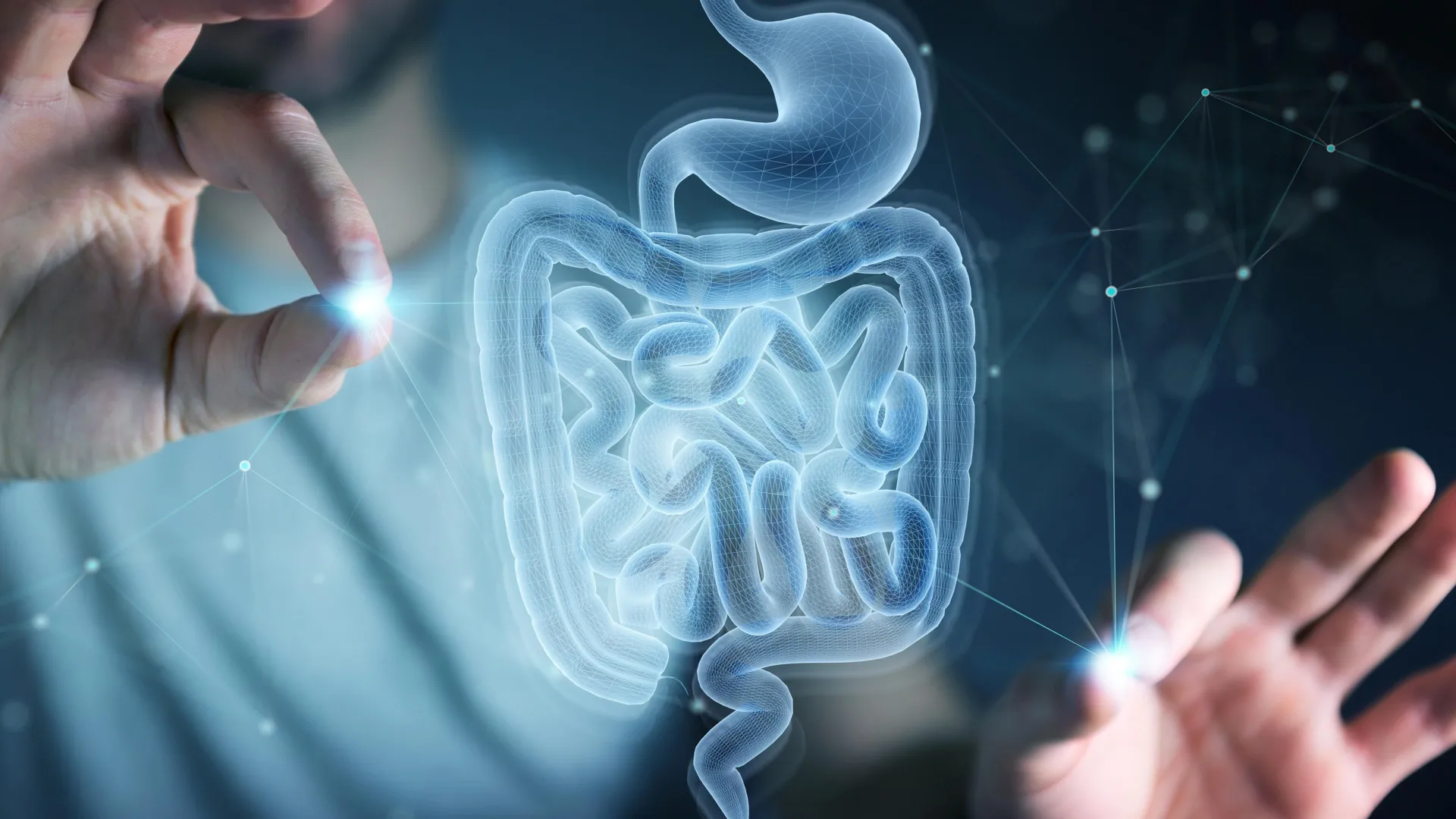
A simple amino acid found in chicken, cheese, and beans may hold the key to helping cancer patients recover from the intestinal damage caused by chemotherapy and radiation. MIT researchers have discovered that cysteine, a naturally occurring compound in protein-rich foods, activates a specific chain reaction inside the gut—one that boosts the immune system, regenerates intestinal stem cells, and repairs tissue damage.
The finding matters because chemotherapy and radiation therapy, while lifesaving, often injure the intestinal lining as a side effect, leaving patients weakened and at risk for complications. For decades, scientists have known that dietary patterns like fasting or calorie restriction can influence how stem cells behave, but no one had identified a single nutrient capable of triggering regeneration on its own. Now they have.
Omer Yilmaz, director of the MIT Stem Cell Initiative and an associate professor of biology at MIT's Koch Institute for Integrative Cancer Research, led a team that fed mice diets enriched with 20 different amino acids, one at a time. They measured how each influenced intestinal stem cell regeneration. Cysteine produced the strongest effect by far.
The biological mechanism is elegant. When intestinal cells absorb cysteine from food, they convert it into a molecule called CoA, which is released into the intestinal lining. There, immune cells called CD8 T cells absorb it and become activated, multiplying and producing IL-22—a signaling protein that plays a major role in intestinal repair and stem cell regeneration. "What's really exciting here is that feeding mice a cysteine-rich diet leads to the expansion of an immune cell population that we typically don't associate with IL-22 production," Yilmaz says. Until this research, scientists did not know that CD8 T cells could produce IL-22 in ways that support intestinal stem cells.
The activated T cells gather in the lining of the small intestine, positioning themselves to respond quickly when damage occurs—a setup that suggests the body has evolved its own rapid-repair system. In the study, published in Nature, mice fed a cysteine-rich diet showed improved recovery from radiation-related intestinal injury. Unpublished experiments found similar benefits after exposure to 5-fluorouracil, a chemotherapy drug used against colon and pancreatic cancers that commonly damages the intestinal lining as a side effect.
What makes this discovery especially promising is its simplicity and accessibility. Cysteine is not a synthetic molecule or expensive pharmaceutical; it's a dietary compound already present in everyday foods—meat, dairy, legumes, and nuts. The human body can also produce cysteine on its own by converting another amino acid called methionine in the liver. However, dietary cysteine appears to have a stronger effect on the intestine because it reaches the gut directly before being distributed elsewhere in the body.
Yilmaz and his team are now exploring whether cysteine might support regeneration in other tissues as well, with ongoing studies examining whether the amino acid could stimulate hair follicle repair and regrowth. They are also investigating the effects of other amino acids that showed signs of influencing stem cell behavior. "I think we're going to uncover multiple new mechanisms for how these amino acids regulate cell fate decisions and gut health," Yilmaz says. For cancer patients facing the grueling side effects of lifesaving treatment, the prospect of a cysteine-rich diet or supplement—helping the body heal itself from within—offers genuine hope.