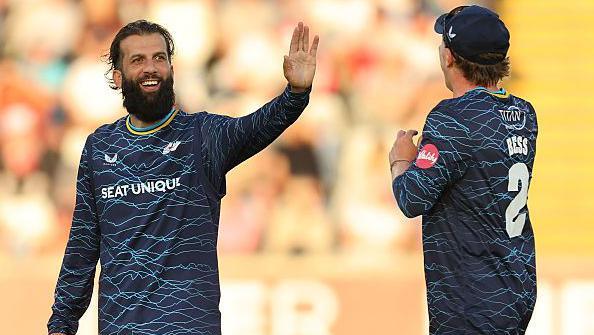
Moeen Ali, at 38 years old, postponed his retirement to join Yorkshire—a county still mending after the Azeem Rafiq racism scandal—and he's not apologizing for it. The former England cricketer, who had warned him off the move were so insistent that they made him more resolute. "A lot of people I spoke to advised me against coming to Yorkshire and that actually made me want to come even more," he told BBC Radio Leeds.
Ali's decision carries weight beyond the cricket pitch. Five former Yorkshire players were found guilty of bringing the game into disrepute following revelations about Rafiq's treatment, and several high-profile players, including Ali himself, had spoken out in support of the ex-Yorkshire player. Yet Ali saw something else in the club's future—and in what his decision could mean for others who look like him. "There might be people from the same background as me, a South Asian background, who were probably hesitant to come and be themselves and play, and I don't want anyone to ever think that," he said.
His reasoning was pragmatic and visionary at once. After a conversation with former England teammate Jonny Bairstow, Ali learned about Yorkshire's ambitions and felt compelled to be part of rebuilding trust. He emphasized that Yorkshire had done substantial work since the scandal broke, though he acknowledged that racism in cricket extends beyond one county. "Every county has their own problems, but from what I've seen and heard Yorkshire have done a lot of work," he said. His presence, he hopes, sends a simple message: this is a place where you can belong.
In his opening three matches for the White Rose county, Ali has already delivered on his primary commitment—performance. He struck a 35-ball fifty against Derbyshire and maintained excellent economy rates as a bowler as Yorkshire won their first three games. The team faces Lancashire at Headingley on Friday, with wider ambitions to secure their first T20 Blast trophy in the coming two years.
But Ali's framing of his role transcends cricket statistics. He spoke about his desire to "build bridges" when he first signed, yet emphasized that his job is first to perform. The two ambitions, he believes, aren't in tension. "Performing for the team and helping to encourage inclusivity went hand in hand," he explained. His father once told him that scoring runs matters most—that excellence on the field is its own form of advocacy. "If you score a lot of runs, teams have to pick you," Ali reflected, adding that performance opens doors in professional cricket.
What made Ali's move significant was his willingness to swim against skepticism. Some were disappointed by his choice, but Ali saw it differently. "If you can change the mind of one person you've done a great job," he said. He spoke of the vast South Asian population in Yorkshire and hoped his presence would inspire young players from similar backgrounds to pursue cricket without fear that their heritage might be a barrier to belonging.
As he enters the twilight of his career, Ali's measure of success at Yorkshire isn't just trophies, though winning the Blast would rank among his greatest achievements. It's whether other cricketers, watching him perform and thrive, will feel emboldened to do the same—to come, express themselves, and play the game they love.