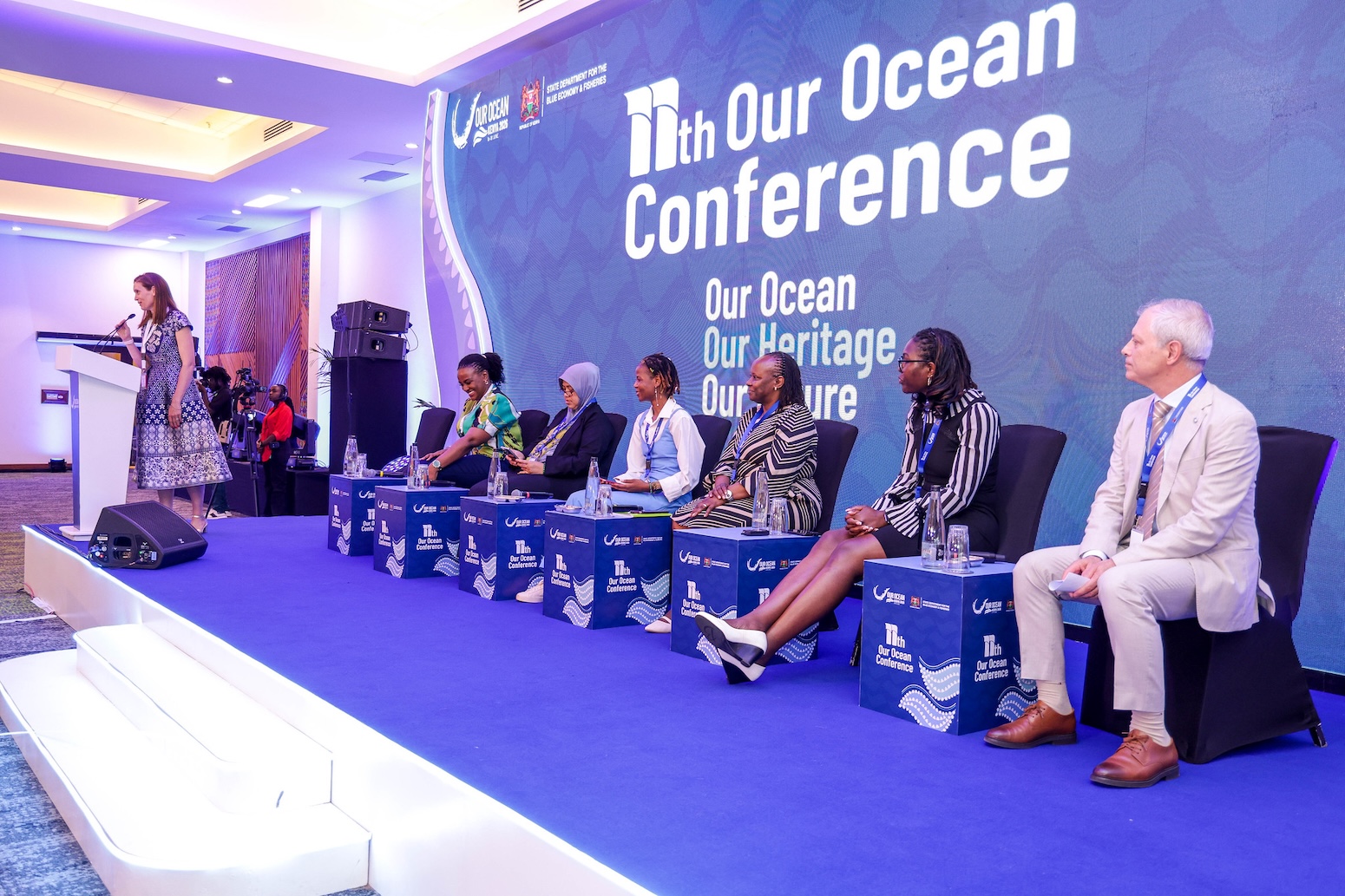
When Kenyan President William Ruto stood before thousands at the Our Ocean Conference in Mombasa and declared, "The ocean is not just a body of water—it is a living, breathing economy," the weight of history was behind him. For the first time in its 11-year run, this global gathering of ocean champions had landed on African soil, drawing over 5,000 delegates from 140 nations to the shores of the Indian Ocean. The energy was palpable, not just for the promises made, but for the shift in voice—Africa, long underrepresented in global ocean governance, was now leading the conversation.
The stakes couldn’t be higher. Oceans regulate the planet’s climate, feed billions, and sustain livelihoods from coastal fisheries to shipping lanes. Yet they face unprecedented threats: warming waters, acidification, plastic pollution, and industrial exploitation. The Our Ocean Conference, founded in 2014 by then-U.S. Secretary of State John Kerry, has long served as a platform for voluntary action—governments, NGOs, and private entities stepping forward with concrete pledges to protect marine ecosystems. In Mombasa, that tradition deepened, with 320 new commitments announced and $6.4 billion in funding mobilized across initiatives ranging from scientific research to waste management and Indigenous ocean stewardship.
Among the most significant outcomes was the momentum behind marine protected areas (MPAs). A 2026 independent assessment revealed that more than one-third of the world’s current MPAs—over 10 million square kilometers—originated from pledges first announced at past Our Ocean Conferences. In Mombasa, countries and organizations continued that legacy, with a strong focus on climate-resilient coral reefs and sustainable blue economies. Over 25% of this year’s commitments fell under the sustainable blue economy pillar, reflecting a growing recognition that conservation and economic development must go hand in hand.
African nations played a pivotal role, championing transparency in fisheries, advocating for a precautionary pause on deep-sea mining, and pushing for equitable implementation of the new High Seas Treaty. Local communities, too, were center stage, with several commitments dedicated to mapping and recognizing Indigenous customary waters—a critical step toward inclusive ocean governance.
Still, as Kerry reminded attendees during the opening ceremony: “We must move from commitments to implementation.” The conference’s own analysis shows that while progress is real—over 1,100 past commitments completed, more than 1,000 in progress—accountability remains key. The new $6.4 billion in funding is promising, though details on how much is newly pledged versus reallocated remain unclear.
As the sun set over Mombasa’s coastline, the message was clear: the ocean’s future is being rewritten, not just in capitals and boardrooms, but in coastal villages and coral atolls. And this time, Africa is writing its own chapter.