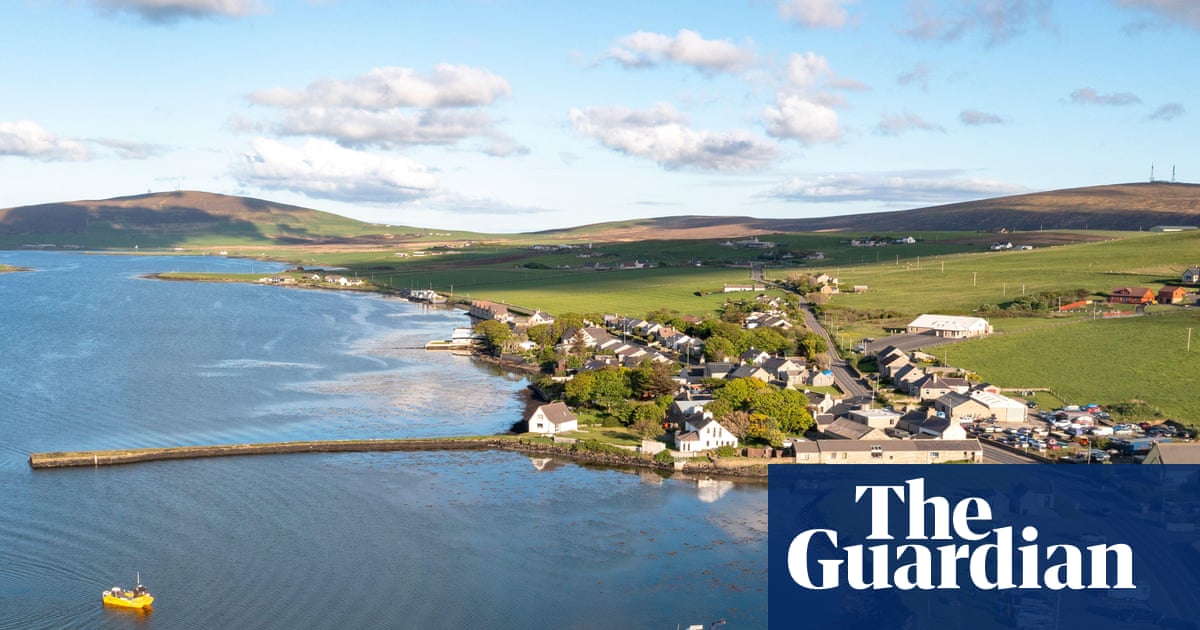
More than 15 million juvenile oysters are about to transform a stretch of the North Sea near Orkney, marking one of the UK's most ambitious rewilding projects in its waters. The initiative, led by marine expert Richard Land and backed by the Green Britain Foundation, the Nature Restoration Fund, Marine Fund Scotland, and North Bay Innovations, represents a deliberate reversal of centuries of decline—and a model for coastal restoration across Europe.
The oyster beds that once blanketed UK coastlines, some covering an area the size of Wales, were decimated during the Industrial Revolution when they became a cheap protein for working people. Between 1840 and 1850 alone, Londoners consumed an estimated 700 million oysters. That overfishing, combined with pollution, climate change, and deliberate removal to clear shipping channels, triggered what scientists call a "negative cascade"—a collapse that rippled through entire marine ecosystems, decimating species that depended on the reefs as habitat.
Today's restoration scheme flips that logic on its head. The juvenile oysters are cultivated onshore on calcium carbonate-enriched "plates," then deployed into the sea on long lines that protect them from predators until they're large enough to establish themselves and form beds. Once established, these reefs become hubs of biodiversity—hosting scallops, molluscs, algae, seaweeds, and invertebrates that collectively breathe life back into the water.
Richard Land, the marine expert leading the project, frames the benefits beyond just oysters: "It won't just benefit fish and the bay, it will benefit sea mammals, seabirds and the whole environment." That ripple effect—what ecologists call a "trophic cascade"—is the project's real promise. When oysters return, the entire ecosystem follows.
The climate angle adds urgency. Dale Vince, founder of the Green Britain Foundation, notes that the initial phase alone could sequester up to 76 tonnes of CO2 annually from a bed covering more than 100 hectares. But the real carbon win comes later: once natural spawning is established, self-sustaining beds could sequester carbon at rates surpassing current estimates by more than 1,000-fold annually within 15 years. Vince describes the philosophy plainly: "This whole project actually came from: how do we get nature to do the carbon capture for us? Restoring native oyster beds is a perfect example of how we can work to restore nature and fight the climate crisis at the same time."
The scheme has secured political backing too. Alistair Carmichael, the Liberal Democrat MP for Orkney and Shetland, called the initiative "absolutely welcome," particularly given its carbon sequestration potential alongside ecological restoration. Philine Zu Ermgassen, from the University of Edinburgh, emphasizes that such intervention is essential: oyster populations are now so depleted that natural recovery is impossible without human help. "This innovation is key to producing enough oysters from local genetic stocks to support restoration and recovery of this hugely valuable ecosystem," she says.
The Orkney project serves as a blueprint for wider reintroduction across UK and European waters. If successful, it could transform how coastal communities approach the twin crises of biodiversity collapse and climate change—not as separate problems requiring separate solutions, but as interconnected systems that nature, given the chance, can restore.