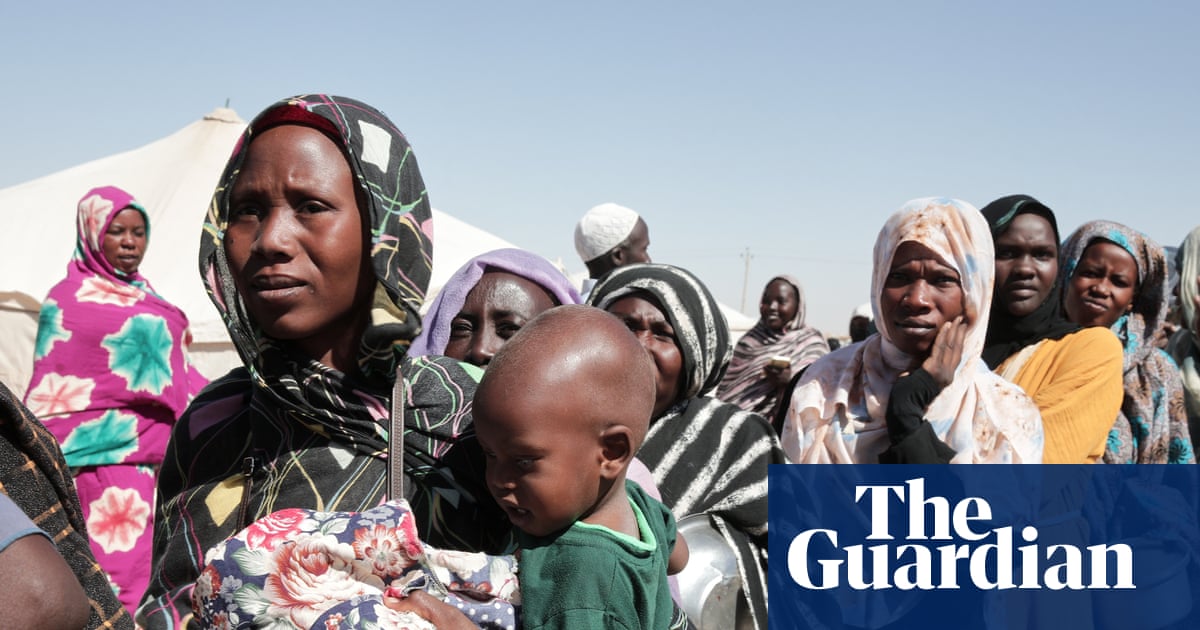
In a sunlit hall in Berlin, where delegates gathered around polished tables adorned with national flags, German foreign minister Johann Wadephul announced a rare glimmer of hope: €1.3 billion—more than £1.13bn—had been pledged to aid Sudan, a country where 34 million people, two-thirds of its population, now depend on humanitarian assistance to survive. The figure, surpassing the €1 billion target, marked a significant show of global solidarity for a nation enduring what the UN calls the world’s largest humanitarian crisis—yet peace remains agonizingly out of reach. Despite the funding surge, only 16% of Sudan’s total humanitarian needs for 2024, amounting to £2.1 billion, has been covered, underscoring the vast gap between promise and reality.
The Berlin conference, convened amid rising global concern, brought together foreign ministers, aid leaders, and civil society representatives, including UK foreign secretary Yvette Cooper and US Africa adviser Massad Boulos. Yet absent were the two warring factions whose conflict has torn Sudan apart: the Sudanese Armed Forces and the paramilitary Rapid Support Forces (RSF). Their absence spoke volumes. As Wadephul praised donors for stepping up in an era of shrinking aid budgets, UN secretary-general António Guterres delivered a sobering truth: “Funding alone cannot substitute for peace.” He cited “credible allegations of the gravest international crimes,” including systematic sexual violence, and called for an immediate end to hostilities and the flow of arms fueling the war.
Inside the conference, diplomatic language prevailed. Boulos reaffirmed the US stance of neutrality, emphasizing efforts to secure a humanitarian truce as a stepping stone to lasting ceasefire. The so-called Quad—comprising the US, Saudi Arabia, Egypt, and the UAE—has led repeated initiatives, but with little tangible progress. Meanwhile, outside the German foreign ministry, hundreds of protesters gathered, many condemning the United Arab Emirates for its alleged support of the RSF—a claim the UAE denies. Sudan’s army-aligned foreign ministry also lashed out, accusing Western nations of a “colonial tutelage approach” for failing to consult them directly.
Still, the pledges matter. Germany committed €120 million, the UK pledged £81 million, and other nations followed, collectively surpassing expectations. These funds will help deliver food, medical care, and shelter to millions displaced by three years of relentless conflict. But as Yvette Cooper noted, the world has already failed Sudan’s people. The real test now lies not in envelopes opened in Berlin, but in whether warring parties lay down arms, whether arms shipments cease, and whether diplomacy finally catches up with humanitarian urgency. For now, the money offers lifelines—but only peace can bring healing.
The road ahead is steep, but the world has, at least, begun to listen.