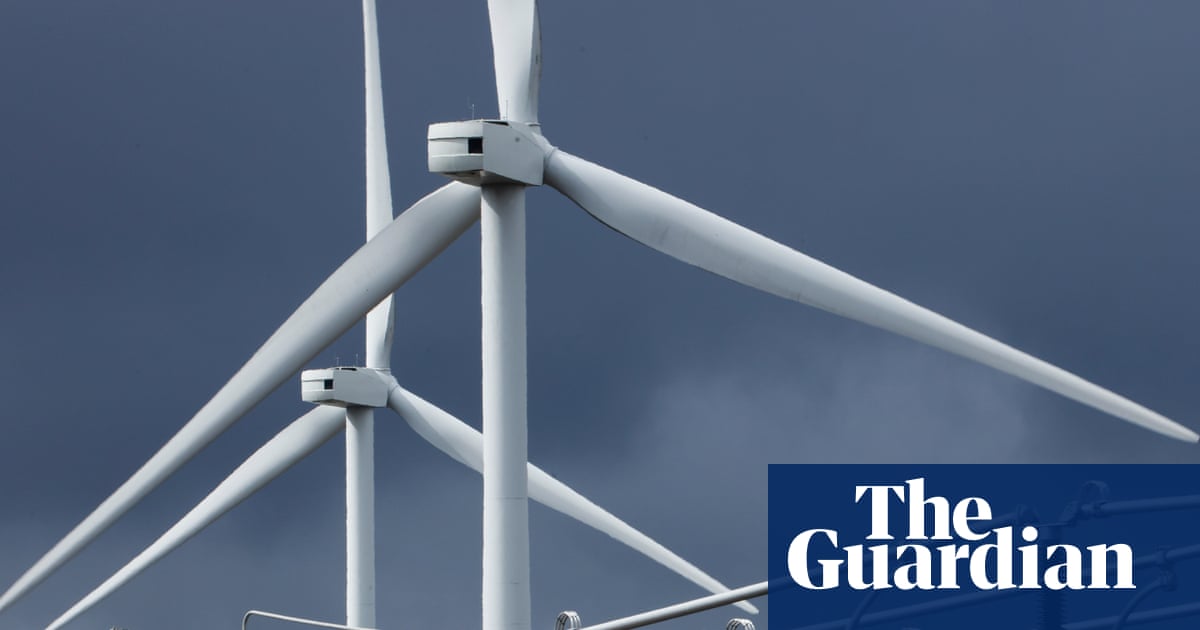
Over 700 renewable energy projects in Great Britain have just cleared one of the biggest hurdles standing between them and reality: access to the electricity grid. After two years of intensive effort to unblock a stubborn bottleneck that had clogged the system with speculative applications, the National Energy System Operator has begun issuing grid connection dates to projects that are genuinely ready to be built. This breakthrough matters because it signals that Labour's ambitious promise to create a virtually carbon-free grid by 2030 now stands on firmer ground.
When the current government came to power almost two years ago, it committed to a transformation: double onshore wind capacity, triple solar power, and quadruple offshore wind. It was a bold vision, but the queueing system for grid connections told a different story. Hundreds of speculative projects—known in the industry as "zombie projects"—had clogged the "first come, first served" queue, strangling the truly shovel-ready schemes that were waiting to build. The backlog had grown to more than twice the capacity needed to achieve net zero by 2050, a situation that threatened to push real projects into the 2030s and beyond.
The two-year clearing process that began in late 2023 changed everything. Neso imposed stricter criteria: projects now must have secured planning permission, locked down land rights, and aligned themselves with government clean energy targets. These weren't arbitrary bureaucratic hurdles—they were designed to filter out the speculative noise and identify only the projects that were genuinely likely to be delivered in the coming years. The result has been seismic. Those 700 projects offered grid connection represent almost 60% of the 1,200 clean energy schemes that need to begin generating electricity by the end of this decade to hit the 2030 target.
The scale of what's now unblocked is staggering. These ready-to-go projects—wind farms, solar installations, battery storage facilities, gas plants, and hydro schemes—represent 37 gigawatts of new electricity capacity. That's just over a third of the 100 gigawatts needed to meet the full 2030 target. More than half the job is now able to happen. Energy Minister Michael Shanks framed it in terms that resonate with voters: "Upgrading the grid and making it easier for clean power projects to connect to it will help protect bill payers from fossil fuel price spikes." Kayte O'Neill, Neso's chief operating officer, stressed what these offers mean on the ground: "These offers give developers the certainty they need to invest, supporting economic growth."
The work, of course, is far from finished. With over half the required schemes now holding grid connection offers, the focus shifts to execution. Projects must move from planning documents to actual construction sites. Supply chains must deliver. Weather windows must align. But the gridlock that once threatened to derail the entire 2030 ambition has been broken. The bottleneck that experts warned could delay projects indefinitely has been cleared. For the first time since Labour took power with this vision of renewable transformation, the path from commitment to delivery looks genuinely passable.