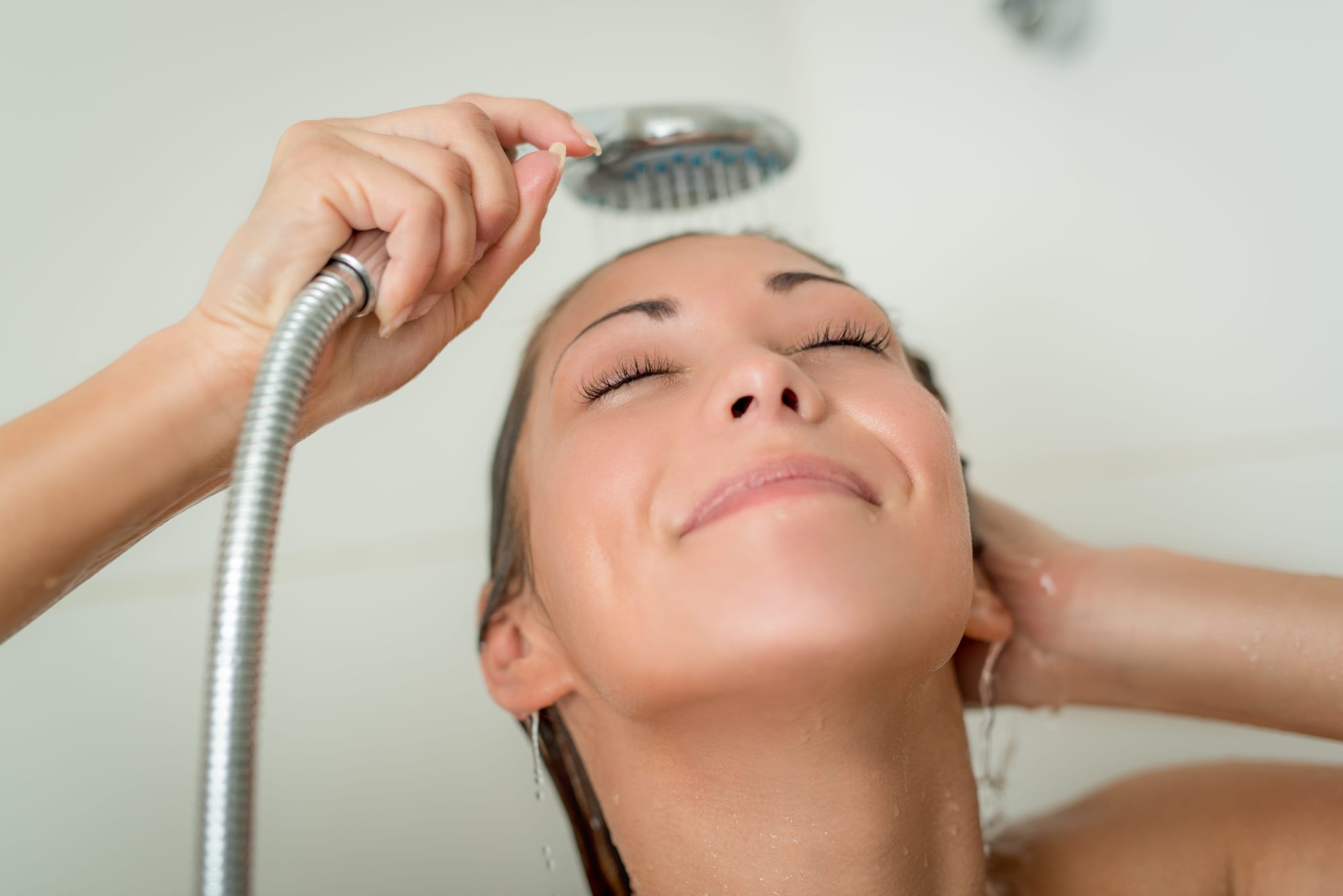
Dr. Sarah Silverman, a behavioral sleep medicine specialist, describes a warm evening shower as a nightly signal your body learns to recognize: do it at the same time consistently, and your system starts winding down in anticipation of rest. This clarity comes as welcome news to anyone caught in the age-old debate about whether showers belong in the morning or at night—a conversation that tends to produce passionate defenders on both sides, but little consensus.
The science, it turns out, is less about declaring a universal winner and more about matching your shower timing to your specific needs. And for those whose primary goal is better sleep, the evidence strongly favors evening showers. A warm shower before bed raises your core body temperature, and as you step out and your body works to cool back down, that temperature drop becomes a powerful cue for sleep. Done consistently, this routine becomes an anchor that reinforces the body's natural wind-down cycle.
Morning showers do the opposite—they raise body temperature and send a wake-up signal to your brain. That's useful at 7 a.m. if you're struggling to get going, but it's not what you want when you're already sleeping well.
For skin health, night showers hold a similar advantage. Dr. Whitney Tolpinrud, a dermatologist and medical director of Curology, points out that an evening shower washes away everything accumulated during the day—dirt, oil, sweat, bacteria—before you spend eight hours with your face on a pillow. This is particularly important for people with sensitive or eczema-prone skin, where overnight irritant exposure can trigger flare-ups. The timing also makes moisturizing more effective: skin that's still slightly damp from the shower holds hydration better while you sleep, amplifying the benefits of whatever skincare products you apply.
Morning showers do have their own case. They clear overnight oil and sweat, and most skincare products are designed to go on clean skin. For those with curly or frizz-prone hair, morning timing usually works better for styling. But here's where Tolpinrud offers a crucial reframing: the real skin issues don't stem from when you shower, but how. "The real skin issues come from showers that are too long, too hot, or followed by skipping moisturizer," she explains. Five to ten minutes in lukewarm water, followed by moisturizing while skin is still damp—that combination matters more than whether you're in the bathroom at dawn or dusk.
The honest verdict, then, is that night showers have a modest edge, mostly because of sleep benefits. Morning showers work well if you exercise first thing, or if you wake slowly and need something to jumpstart your day. Neither approach is wrong. What transforms either one from habit into health benefit is consistency—doing it at the same time every single day. Your body picks up on the pattern faster than you'd expect, adapting its rhythms and responses to the reliable signal you're sending.
So the real permission here is simple: pick whichever fits your actual life, and stick with it. The debate matters less than the commitment.