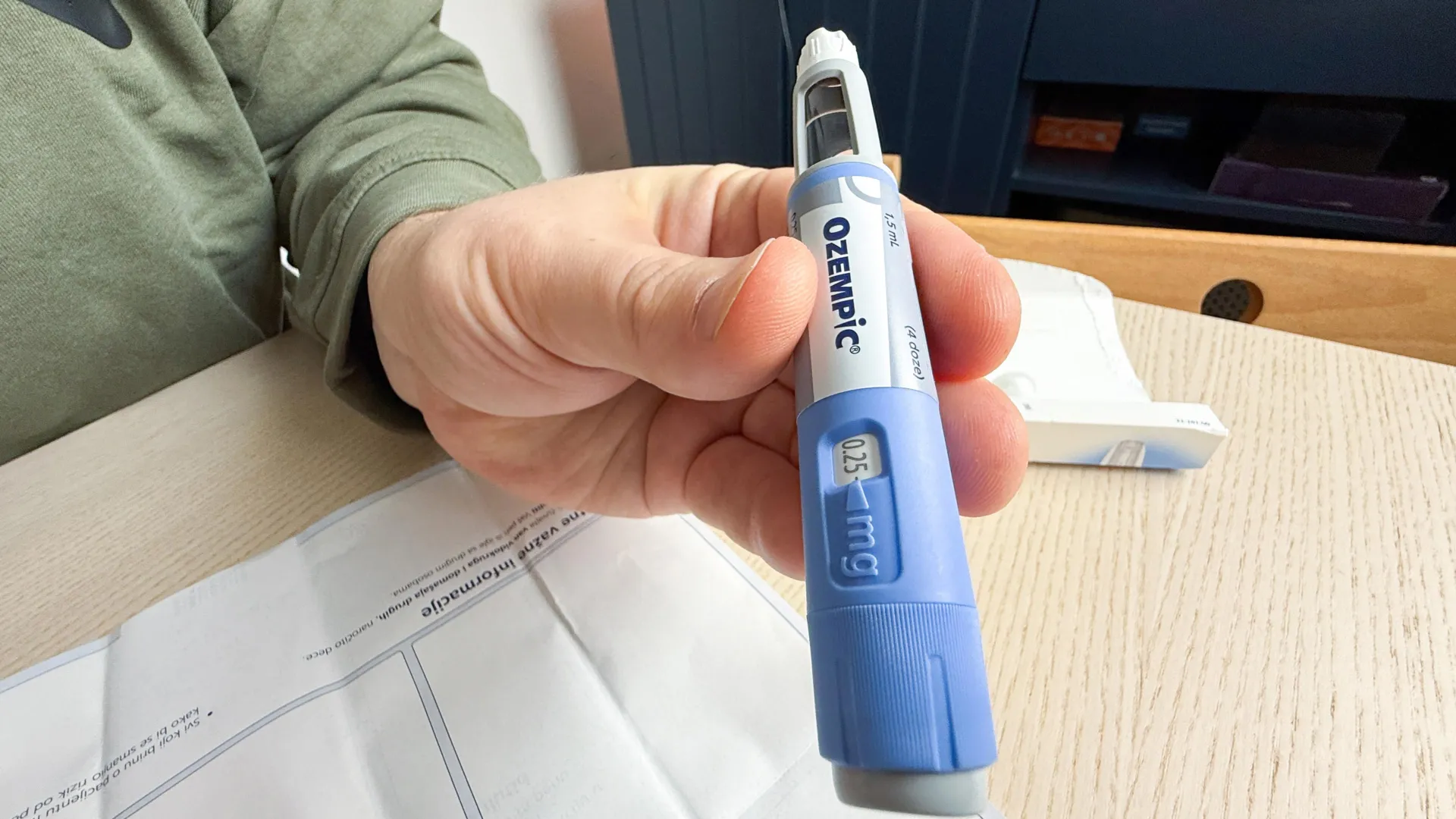
When 37-year-old Marcus Thompson of Detroit stopped taking his weekly semaglutide injection last spring, his doctor worried he had given up entirely. Six months later, Marcus was back on the medication, this time with a better plan to manage the nausea that had derailed his treatment the first time. His experience, it turns out, is far more common than most people realize.
A sweeping new study presented at ENDO 2026, the Endocrine Society's annual meeting in Chicago, has found that while four in ten patients on GLP-1 medications like Ozempic or Mounjaro do stop within their first year, the vast majority of those who quit are not walking away for good. Researchers at Boston University School of Public Health analyzed insurance records spanning from January 2019 through June 2025, tracking more than 60,000 Americans with type 2 diabetes. Their findings reveal that treatment with these medications looks less like a one-way door and more like a winding path.
"More than half of those who stopped restarted therapy within a year, and nearly two-thirds did so within two years," said Sainikhil Sontha, M.S., a research associate at Boston University School of Public Health. "This suggests that for many patients, these medications aren't being abandoned permanently; use is more start-and-stop than most people assumed."
The study, which examined adults ages 18 to 64 with type 2 diabetes and a BMI of 25 or higher, also surfaced clear patterns in who struggles most to stay the course. Patients covered by Medicaid or Medicare, Black patients, and those who experienced gastrointestinal side effects like nausea were all more likely to discontinue within the first year. But the data pointed toward solutions as well. Patients whose first GLP-1 prescription came from an endocrinologist were 10 percent less likely to stop, suggesting that specialist guidance may help people weather early challenges. The medication itself mattered too: patients on newer drugs like tirzepatide were 41 percent less likely to discontinue compared to those on older formulations like liraglutide.
For Sontha, the clinical significance goes beyond adherence statistics. "Consistent use of these medications is what produces their protective effects," she said. "Stopping early may mean missed opportunities to prevent heart attacks, kidney disease progression and other complications."
The researchers hope their findings will help healthcare providers, insurers and policymakers identify patients who need extra support to remain on treatment — whether that means better management of side effects, easier access to specialists, or more flexible prescribing practices that accommodate the realities of real-world health journeys.
For patients like Marcus, who eventually restarted with a lower starting dose and anti-nausea support, the takeaway is simple: falling off the wagon does not mean staying off. "People come back," Sontha said. "The question is how we help them stay once they do."