When the final whistle blew on the first round of matches at the 2022 World Cup in Qatar, one number stood out above all others: 3.125. That is the average number of goals scored per game across 24 matches — a figure not seen at this stage of the tournament since 1958, when Pelé was still a teenager and the world was a very different place. In total, 75 goals flashed across Qatari nets, a reminder that even in a competition often criticised for its schedule and settings, the football could still sing.
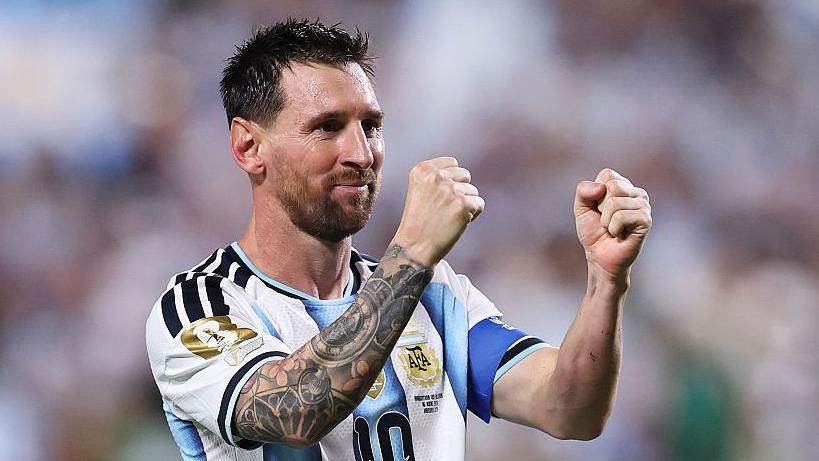
For longtime fans, one image felt almost inevitable. Lionel Messi, now 35 and playing what many feared might be his final World Cup, swept home a hat-trick against Saudi Arabia that moved him onto 16 goals across all his World Cup appearances — drawing him level with Germany's Miroslav Klose as the tournament's all-time leading scorer. Argentina did not win that game, undone by a stunning Saudi comeback, but Messi's place in history was sealed. Not far behind him on the scoring charts, England's Harry Kane buried two penalties against Iran to reach 10 World Cup goals, joining Gary Lineker as England's top scorer at the competition.
Away from the headline-grabbers, the numbers revealed some curious stories. Turkey's 18-year-old Real Madrid midfielder Arda Guler racked up more shots than anyone else in the opening round — eight attempts — yet the cumulative value of those chances, measured by expected goals (xG), was just 0.26. Historically, a player would score once every 31 shots of that quality. At the other end of the spectrum, South Korea's Son Heung-min — a player celebrated across the Premier League for his clinical finishing during his time at Tottenham — failed to score from six clear-cut chances totalling 1.0 xG.
Not all the data told tales of near-misses. Spain's young midfielder Pedri emerged as one of the most electric creative forces of the opening round, generating 1.23 expected assists against Costa Rica and winning possession in the final third six times — twice as often as any other player at the tournament. Meanwhile, Ivory Coast's Amad Diallo, a Manchester United substitute who played just 34 minutes across his opening match, completed more dribbles than anyone else at the competition and posted the best success rate among the 32 players who attempted five or more.
Perhaps the most improbable record belonged to Bosnia-Herzegovina's Jovo Lukic, who went into battle against Canada and won all nine of his aerial duels. No other player who contested more than four aerials at the tournament went undefeated. In a World Cup defined by drama, it was a small but perfect reminder that sometimes the numbers can be stranger than fiction.
The tournament is far from over, but if the opening act is anything to go by, this may be a World Cup that redefines what we thought we knew about the beautiful game.