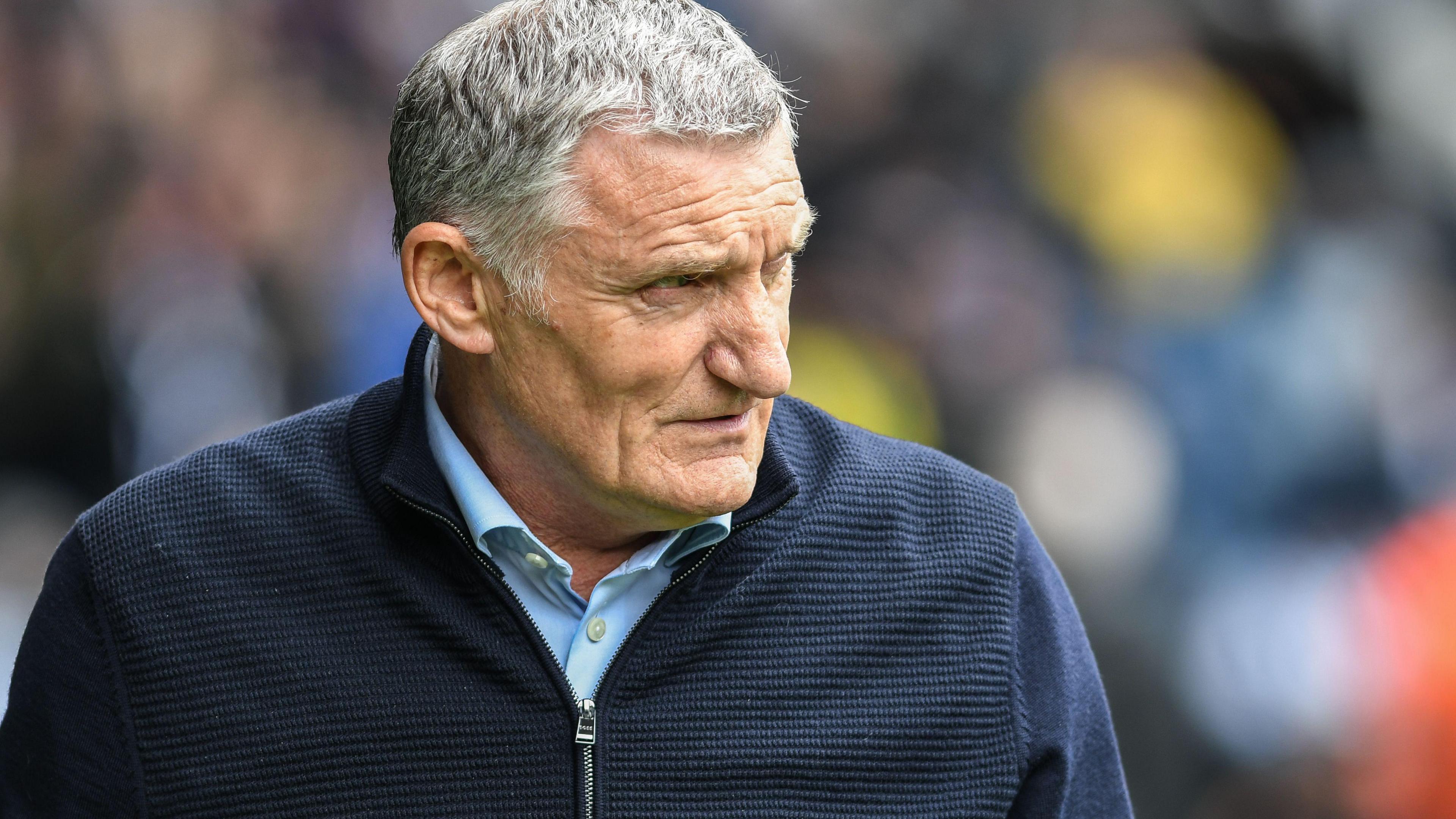
Tony Mowbray is returning to Blackburn Rovers, stepping back into the dugout at Ewood Park for a second spell as head coach after leading Sunderland, Birmingham City, and West Bromwich Albion in the years since his first tenure ended. At 62, the veteran manager brings with him something increasingly rare in modern football: a reputation for stability and the kind of universal respect that transcends the usual churn of the sport.
Mowbray's first stint at Blackburn, from February 2017 to the end of the 2021-22 season, defined what constancy can look like at a club in flux. He arrived to save a sinking ship, unable to prevent relegation to League One, but then orchestrated promotion back to the Championship in his first full campaign in charge. For more than five years, he remained—longer than any other head coach appointed by the Venkys during their ownership—a steady hand when instability might have been the easier, cheaper option. That longevity matters. It demonstrates not just tactical competence but the kind of relationship-building and cultural work that transforms a club's trajectory.
The timing of his return underscores how much Blackburn needs exactly what Mowbray offers. The club endured a turbulent 2024-25 campaign, hovering perilously close to relegation before sacking Valerien Ismael in February. Michael O'Neill, brought in from his role as Northern Ireland boss, managed to steady the ship enough to secure 20th place in the Championship—just five points clear of the drop zone. O'Neill decided not to pursue the job on a permanent basis, and Blackburn's hierarchy turned back to a familiar figure rather than seeking a radical reset.
That choice reflects a calculated desire for experience over gamble. The squad Mowbray inherits is not dramatically different from the one he left. Names like Pickering, Wharton, Carter, and Garrett remain, giving him some continuity with the club's DNA. But the scaffolding needs work—serious work, and quickly. The window ahead will be crucial; drift into pre-season unprepared, and Rovers risk repeating the mistakes that defined last season. Mowbray's decades in management suggest he understands the urgency.
Beyond tactics and recruitment lies something more delicate: managing the relationship between Blackburn's fanbase and its ownership structure—a dynamic Mowbray navigated with professionalism during his first spell and will need to navigate again now. In an era of short-term thinking and fractured relationships between clubs and their supporters, that kind of care matters enormously.
Mowbray's return also carries personal resonance. He stepped away from management while at Birmingham in early 2024 following a health scare, later revealing he had been undergoing treatment for bowel cancer. He returned as West Brom's head coach in January 2025, only to be sacked three months later. That he is back, and back at a place where he has genuine roots, speaks to both his resilience and football's hold on him.
If anyone has earned a second crack at it, the commentary suggests, it is him. Familiarity alone will not be enough—progress will hinge on recruitment, behind-the-scenes alignment, and the club's willingness to back his vision. But there is a sense that Blackburn has chosen stability over spectacle, experience over experimentation. In a sport that often confuses motion with progress, that may be precisely what they need.