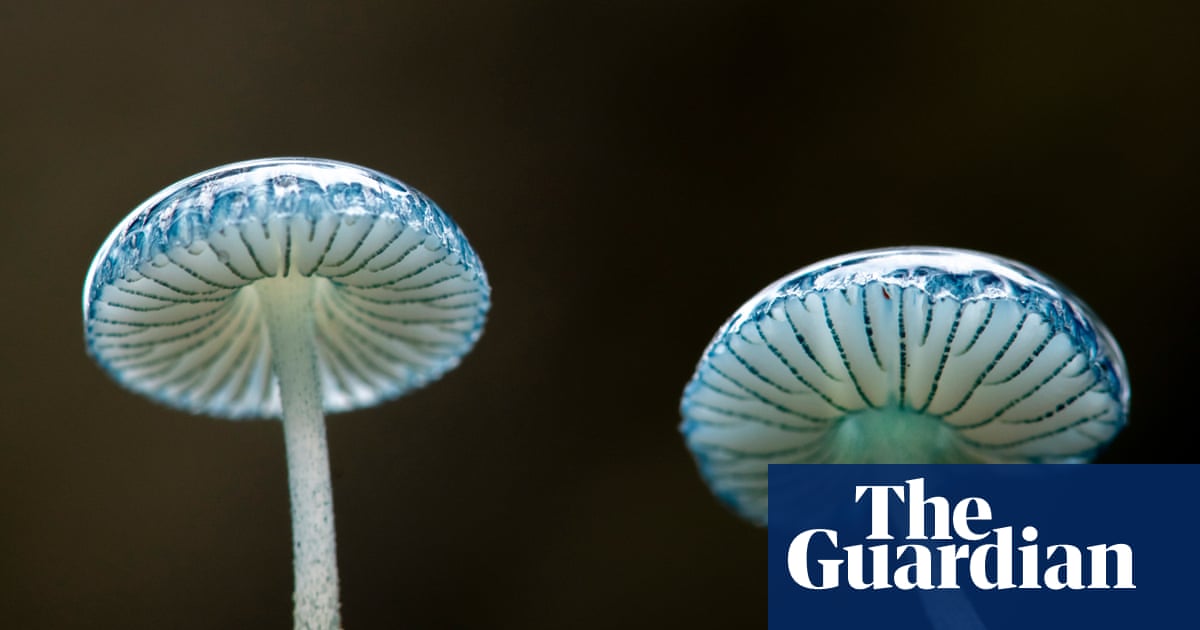
On a recent morning in Tasmania's ancient Tarkine rainforest, Liz Davis covered just 200 meters in an hour — not because the path was hard, but because she kept stopping to marvel at mushrooms.
Davis, who has spent 30 years foraging for fungi and founded the Mycology May festival in regional New South Wales, was among a group of toxicologists, botanists, and ecologists on a three-day fungi workshop led by mycologist Dr. Alison Pouliot. The destination was the Tarkine — one of Australia's last great wilderness areas, where 2000-year-old Huon pines shade freshwater crayfish nearly a meter long and the dense Gondwanan rainforest has sparked thylacine rumors for decades.
But the most wondrous discoveries were found in fungi, organisms older than animals or trees.
"People often say that fungi grow in the forest," Pouliot explained while the group inhaled cool air scented with sassafras. "But there wouldn't be a forest without fungi. Fungi are the ecosystem engineers that created the foundation for the forest."
The numbers support her enthusiasm. Researchers estimate there are 2 to 3 million fungi species on Earth, though only about 205,000 have been identified so far. Mushrooms themselves are just the visible tip: beneath every forest lies a vast web of underground threads called mycelium, stretching an astonishing 100 quadrillion kilometers in total. These networks allow fungi to form life-sustaining partnerships with up to 70 percent of all plant species on the planet. A single eucalyptus tree can host hundreds of different fungi attached to its roots.
Some fungi specimens are almost impossibly large. Pouliit cited a single organism in Oregon, USA that covers more than 9 square kilometers and weighs roughly the same as 30,000 tonnes — about 200 jumbo jets. "Fungi can be so small they're invisible to the human eye or inconceivably big," she noted.
From their base at Corinna Wilderness Village — a former mining town converted into an eco-village — the group ventured into the rainforest along the tannin-dark Pieman River, pushing through giant ferns beneath leatherwoods, celerytop pines, and myrtle beeches whose trunks vanished beneath cloaks of moss and lichen. Everywhere they wandered, cries of delight marked new discoveries: sky-blue pixie parasols with darker centers, ruby bonnets scattered like bright red berries, slime-covered earth tongues pushing through the soil, and echidna fungi bristling with thousands of spiky teeth.
Every year, fungi worldwide produce more than 50 million tonnes of spores — but much fungal life remains hidden underground, meaning even repeat visits would likely reveal new species. Davis, the veteran forager, summed it up: "Fungi hunting anywhere else is never going to compare."
The workshop blended science with poetry, including readings of Sylvia Plath alongside "sporeprints" — photonegative imprints of mushroom undersides — and discussions about how language shapes our view of fungi. Why does love bloom but crime mushroom? As the group discovered, beneath the rainforest floor lies a living network of remarkable organisms quietly sustaining the world above.