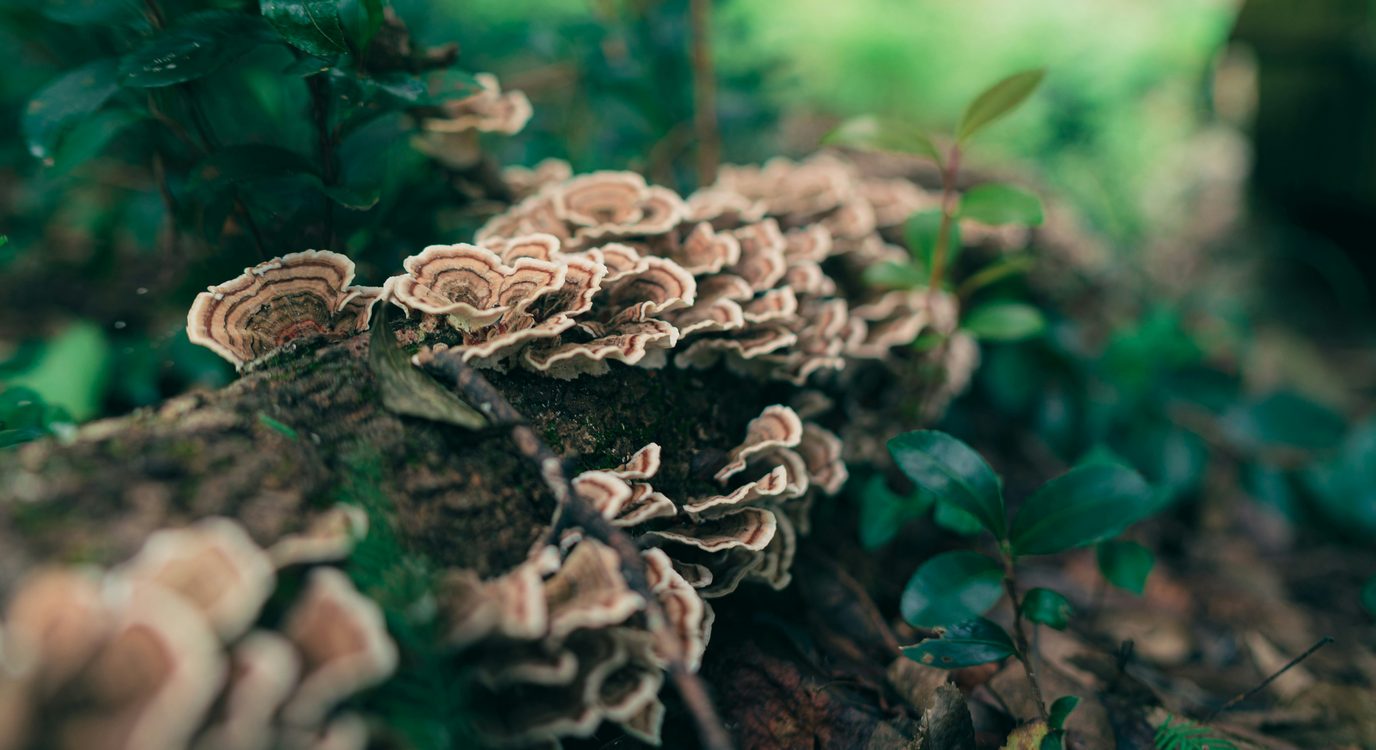
When Olivia Thompson wades into the River Otter near her home in Devon, she no longer worries about the warning signs. Just a few years ago, swimming here meant risking exposure to sewage-borne E. coli, but now, beneath the surface, an army of silent cleaners is at work: turkey tail mushrooms. These unassuming fungi, known scientifically as Trametes versicolor, are filtering harmful pollutants from the water with startling efficiency. In trials led by local conservationists and Anglian Water, bags of woodchips infused with turkey tail mycelium were placed along riverbeds—and the results were transformative. The mycelium filtered out 80% of E. coli, 83% of phosphorous, and 35% of nitrogen, offering a low-cost, nature-based solution to water pollution that’s now being scaled across England.
This isn’t just a Devon miracle. The same method succeeded in Lincolnshire, where agricultural runoff laden with phosphorous and nitrogen—nutrients that trigger oxygen-depleting algal blooms—was dramatically reduced. With water quality a growing concern across the UK, especially after years of sewage discharges and industrial runoff, the findings offer real hope. Recognizing the potential, water regulator OFWAT awarded Anglian Water nearly $2 million to expand the project, turning a grassroots experiment into a national strategy.
Joshua Mercer, a sustainability lead at Anglian Water, sees the fungi as a “second line of defense” alongside traditional sewage treatment. Unlike expensive infrastructure upgrades, mycelium filters are simple: spore-infused woodchip bags placed directly in waterways, where the fungal network grows and captures pollutants. They’re biodegradable, self-replicating, and thrive in the very conditions that harm ecosystems. “If [this work] can have a positive impact on water quality, then it’s benefiting everyone,” Mercer told the BBC. His vision is personal—“When my daughter gets to my age, it would be great if people can just go and swim wherever they want.”
The implications stretch far beyond England. Globally, rivers suffer from similar contamination, and conventional cleanup methods are often cost-prohibitive. Turkey tail mushrooms, however, grow almost anywhere, require minimal maintenance, and have already shown promise in absorbing heavy metals and radiation. This project proves they can be harnessed at scale, not just in remote labs but in the heart of communities. As climate change intensifies water stress and pollution, nature itself may be offering the most resilient tools.
With pilot programs expanding and public trust slowly returning, the dream of swimmable rivers—once a nostalgic memory—feels tangible again. And it’s not just about safety; it’s about reclaiming a relationship with nature, one filtered breath of clean water at a time.