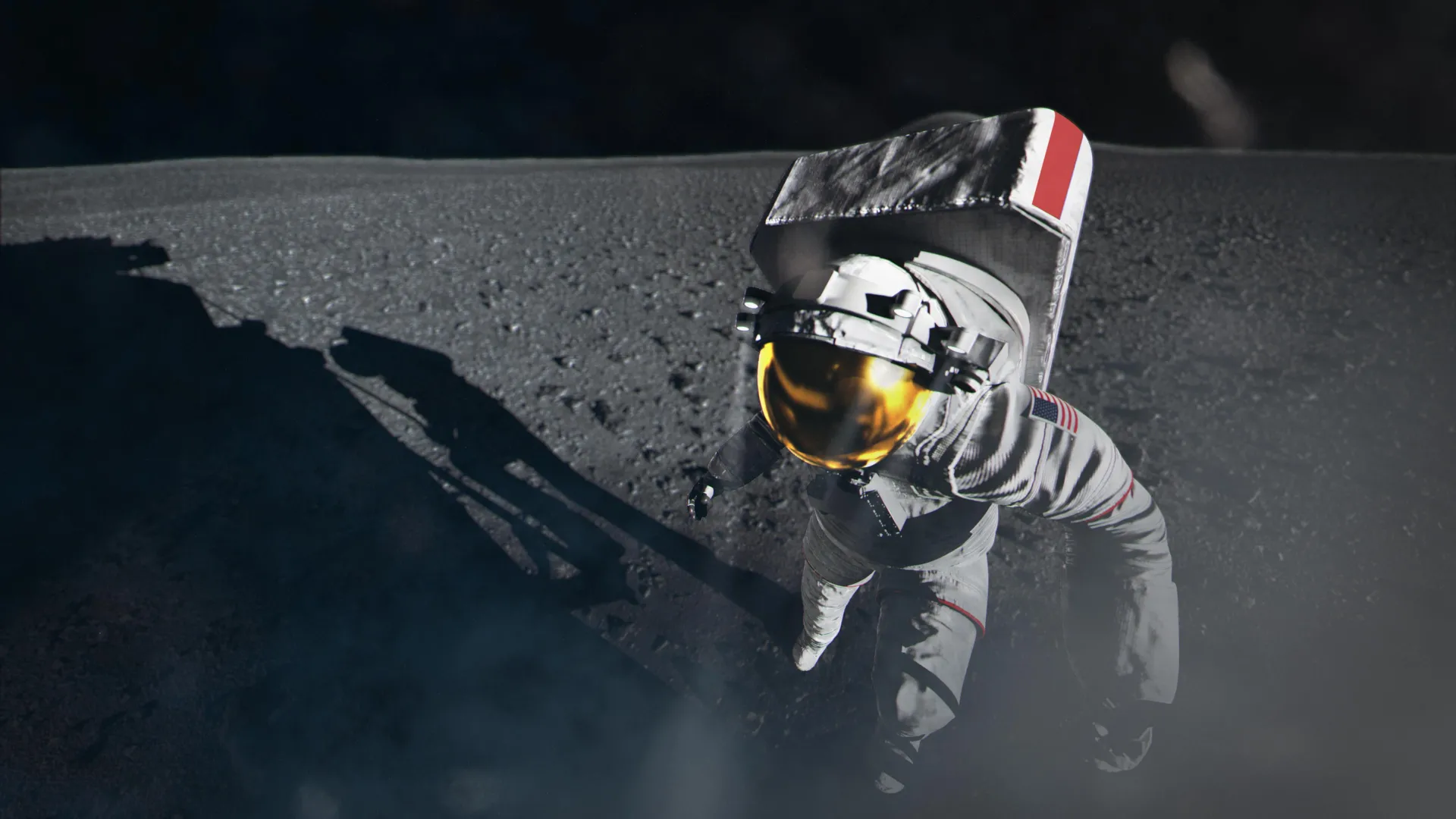
Four astronauts could spend 14 days in Earth orbit in 2027, practicing a series of spacecraft meetups before NASA tries to put people back on the Moon. The rehearsal is part of a faster Artemis plan that targets a crewed lunar landing in 2028.
NASA’s revised schedule puts two missions at its center. Artemis III, planned for 2027, will test the systems needed for a later landing. Artemis IV is intended to carry astronauts to the lunar surface in 2028. The plan matters because NASA wants to check key equipment and procedures before crews attempt the difficult journey down to the Moon and back.
On October 23, NASA Administrator Jared Isaacman and other agency leaders described how the Artemis III test will work. Four astronauts will launch aboard the Orion spacecraft on NASA’s Space Launch System, or SLS, rocket. In orbit, they will practice meeting and connecting with test landers built by SpaceX and Blue Origin. These maneuvers, called rendezvous and docking, let spacecraft meet and link up so a crew can move between them.
The test is planned in stages. Blue Origin will first launch a test version of its Blue Moon lander into Earth orbit. Orion and its crew will then meet and dock with it. Afterward, Orion will separate and connect with a test version of SpaceX’s Starship lunar lander, known as Version 3. NASA hopes to test both companies’ systems during one crewed mission, gaining experience and finding problems before the 2028 landing attempt.
NASA also says it is making preparations more efficient. Hardware for Artemis III remains on schedule, and changes to how the agency processes equipment have cut preparation timelines by about 50%. In one example, NASA engineers redesigned, built and tested a rocket fuel-line component in five months. The work cost roughly one-tenth of an earlier estimate from an outside supplier.
Those changes fit a broader effort to rely more on NASA’s own engineering skills, lower costs and reduce delays. The agency’s updated approach also includes a lighter spacesuit intended to help make early moonwalks possible sooner. NASA says the work builds on priorities from its Ignition initiative and is meant to reduce technical risks while supporting a lasting American presence on the Moon.
For Artemis IV, NASA plans to launch Orion and its crew on the SLS rocket from Kennedy Space Center in Florida. Astronauts would then use a landing system from either SpaceX or Blue Origin to reach the lunar surface. The companies have changed their designs to make operations simpler and more flexible, though their methods differ. SpaceX plans to refuel Starship in Earth orbit before it meets Orion and heads toward the Moon.
Isaacman said NASA is pushing to deliver missions “as quickly, safely, affordably, and successfully as possible.” The 2027 rehearsal will be a key step toward that goal. If the tests and preparations stay on track, NASA’s next milestone will be turning years of planning into a crewed landing in 2028.