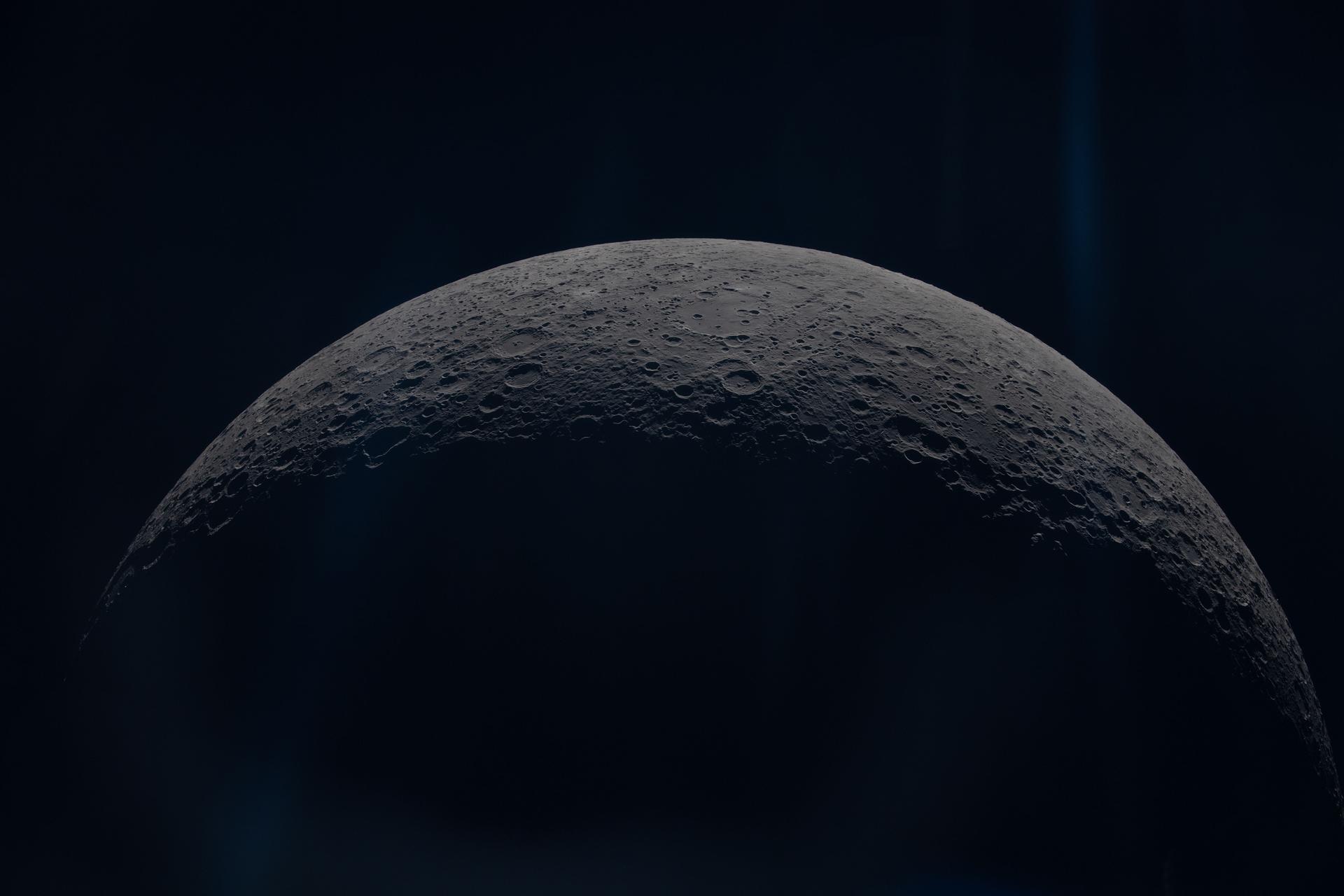
Four astronauts are expected to spend 14 days circling Earth in 2027, testing how two lunar landers connect with NASA’s Orion spacecraft before the agency tries to land people on the Moon again. The planned Artemis III flight is a major step in NASA’s updated schedule: a crewed Moon landing is planned for 2028 on Artemis IV.
NASA Administrator Jared Isaacman and agency leaders shared the plan on Oct. 23. The tests are meant to check key operations in orbit and lower the risks of a later landing. NASA is working with SpaceX and Blue Origin on landers, while also aiming to build a lasting human presence on the Moon.
For Artemis III, NASA’s Space Launch System rocket will carry Orion and its crew into Earth orbit. Blue Origin will first launch a test version of its Blue Moon lander. Orion will meet and dock with it. SpaceX will then launch a test version of its Starship lander, and Orion will undock from Blue Moon before connecting with Starship. The mission will test rendezvous, docking and other operations between the spacecraft and landers. The crew is not scheduled to land on the Moon during this flight.
NASA says Artemis III hardware is on track, with processing timelines cut by about half. The agency also redesigned, built and tested a fuel-line component in-house in five months. That work cost roughly one-tenth of an earlier estimate from an outside vendor. Artemis program manager Jeremy Parsons said the effort shows how NASA is rebuilding its own technical skills rather than relying as much on outside expertise.
The next mission, Artemis IV, is planned to launch in 2028 from Kennedy Space Center in Florida. Orion and its crew will travel to the Moon, where a lander developed by SpaceX or Blue Origin is intended to carry astronauts to the surface. Both companies are targeting readiness for a crewed landing that year. SpaceX plans to refuel Starship in Earth orbit before it heads toward the Moon. Blue Origin plans to use transfer stages to send its Blue Moon Mark 2 lander toward the Moon, where it would meet Orion in lunar orbit before descending.
NASA is also keeping two possible upper stages for the Space Launch System under consideration: the current interim cryogenic propulsion stage and a longer version of United Launch Alliance’s Centaur V, which can carry more propellant. Keeping both options open is intended to avoid depending on a single design. For early moonwalks, NASA and spacesuit maker Axiom Space are developing a lighter “Sortie suit.” It weighs about half as much as Axiom’s larger suit and will not replace the main suit intended for longer, more demanding missions.
The schedule still depends on complex spacecraft tests and work by NASA’s industry partners. But the planned sequence gives the agency a clear path: test the connections in Earth orbit, then attempt a crewed landing. NASA says later Artemis missions will take astronauts to increasingly challenging sites near the lunar South Pole, supporting science and a sustained human presence as the agency prepares for future exploration, including missions to Mars.