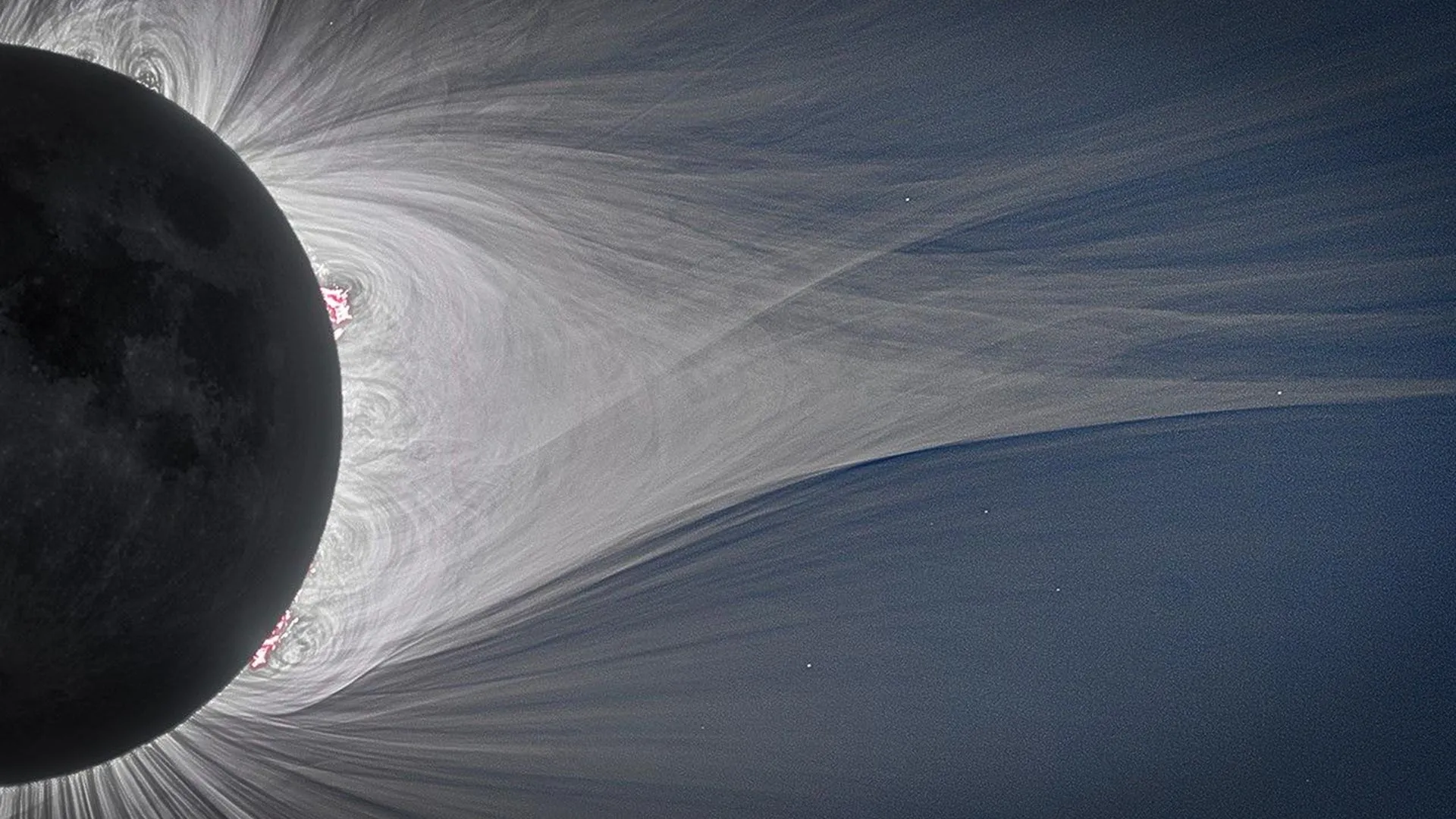
In August 2025, NASA's instruments detected what looked like an ordinary radio signal emanating from the Sun—the kind that typically fades within days. Nineteen days later, it was still singing. Scientists had just witnessed the longest solar radio burst on record, shattering the previous mark of five days and revealing something far more complex and persistent about the Sun's behavior than researchers had anticipated.
The burst belonged to a category known as Type IV radio bursts, which occur when energetic electrons become trapped in the Sun's powerful magnetic fields. Though the radio waves themselves pose no direct threat to Earth, they signal underlying magnetic conditions that can trigger solar eruptions—cascades of harmful particles that threaten satellites, spacecraft, and the technologies we depend on in orbit. Understanding these events matters because space weather can cripple communications, navigation systems, and power grids on the ground. When the Sun acts up, everyone pays attention.
To piece together what happened during those three weeks, researchers tapped into a constellation of spacecraft positioned throughout the inner solar system. NASA's STEREO (Solar Terrestrial Relations Observatory), Parker Solar Probe, and Wind spacecraft joined forces with the European Space Agency and NASA's Solar Orbiter mission. Because the Sun rotates, different spacecraft captured different portions of the event as it moved into their field of view. Each mission recorded several days of continuous data, allowing scientists to stitch together a comprehensive record of the prolonged activity—a kind of solar relay race with instruments stationed around the system.
Using data from STEREO, the research team developed an innovative new technique to pinpoint where the burst originated. Their analysis traced the signal back to an enormous magnetic structure in the Sun's atmosphere called a helmet streamer. But here's what made this event truly unusual: the team suspects the extended burst was sustained by three separate coronal mass ejections—titanic explosions that erupted from the same solar region and hurled clouds of charged particles and magnetic energy into space. One brief eruption might fade quickly, but three in sequence, all feeding the same magnetic trap, created something unprecedented.
The findings, published in the Astrophysical Journal Letters, open a new chapter in solar physics. By documenting how and why this 19-day burst occurred, researchers have gained tools to recognize long-duration radio bursts in the future. That matters because forecasting space weather—predicting when dangerous solar activity will strike—is crucial for protecting the satellites and spacecraft that modern civilization relies on. An improved understanding of these unusual events translates directly into better early warnings and stronger defenses for the orbital infrastructure that keeps our global systems humming.
The Sun still holds plenty of mysteries, but each time scientists uncover one, they sharpen their ability to predict the next. This time, it took 19 days to understand what the Sun was trying to tell us.