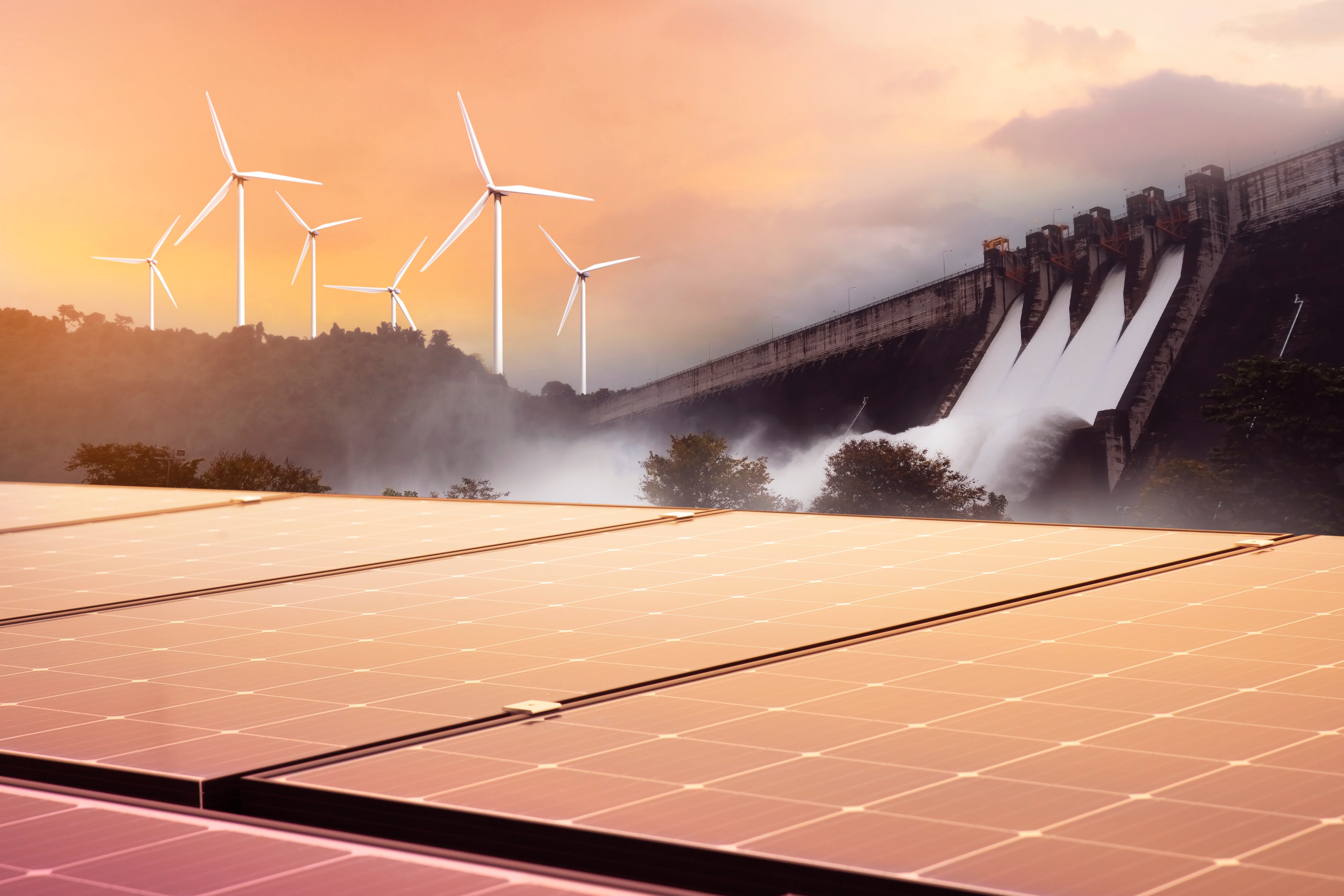
Across America, a clean energy transformation is quietly reshaping how the nation powers itself—and the Department of Energy is moving fast to make it real. The Biden-Harris Administration is backing this shift with more than half a trillion dollars in clean energy and climate investments over the next decade, the largest commitment of its kind in U.S. history.
This scale of investment matters because clean energy has stopped being a distant ambition and become an immediate opportunity for jobs, savings, and opportunity. Americans are already accessing new careers and lower energy costs as manufacturing plants open and solar installations multiply. The renewable pivot isn't ideological; it's economic.
Battery technology is anchoring this transition. With $85 billion in new U.S. battery manufacturing and supply chain investments to date, including 111 new and expanded processing and manufacturing plants, the country is building infrastructure that can power 10 million electric vehicles each year. These plants represent thousands of immediate jobs—a tangible way that clean energy creates employment in communities across the nation.
Solar energy is moving even faster. Since President Biden took office, nearly $5 billion in solar manufacturing investments have been announced, with 47 manufacturing plants coming online or expanding. The math is striking: these investments alone could generate enough solar capacity to power an additional 7 million homes annually. Solar has become the fastest growing and most affordable source of new electricity in America, with system costs falling dramatically, which means more families and businesses can afford to make the switch.
Wind energy is the other pillar. The Administration has set an ambitious target of deploying 30 gigawatts of offshore wind by 2030—capacity sufficient to power 10 million homes and support 77,000 jobs. To get there, the Department of Energy is investing nearly $50 million in research, development, and demonstration funding for floating offshore wind platforms, positioning the United States at the forefront of a technology that's generating thousands of good-paying jobs.
Nuclear energy, often overlooked in clean energy discussions, provides nearly 50% of America's carbon-free electricity. Recent reactor closures threatened to undermine this contribution and paradoxically increase carbon emissions. Recognizing nuclear's role in a decarbonized future, the Biden-Harris Administration allocated $6 billion through the Department of Energy's Civil Nuclear Credit Program to ensure that Diablo Canyon Power Plant continues safe operation, supporting both power generation and employment.
The interconnection between these investments is what matters most. Solar, wind, batteries, and nuclear aren't competing technologies—they're complementary pieces of infrastructure supporting the country's goals: a carbon pollution-free electricity sector by 2035 and net-zero emissions economy-wide by 2050. Each investment creates supply chain ripples, each manufacturing plant trains workers, each gigawatt of capacity brings those targets closer.
What's striking is the pace. This isn't a projection or a promise—it's happening now. Americans are accessing new jobs and new savings today. The clean energy future, the Department of Energy notes, "is no longer just a possibility. It's becoming reality."