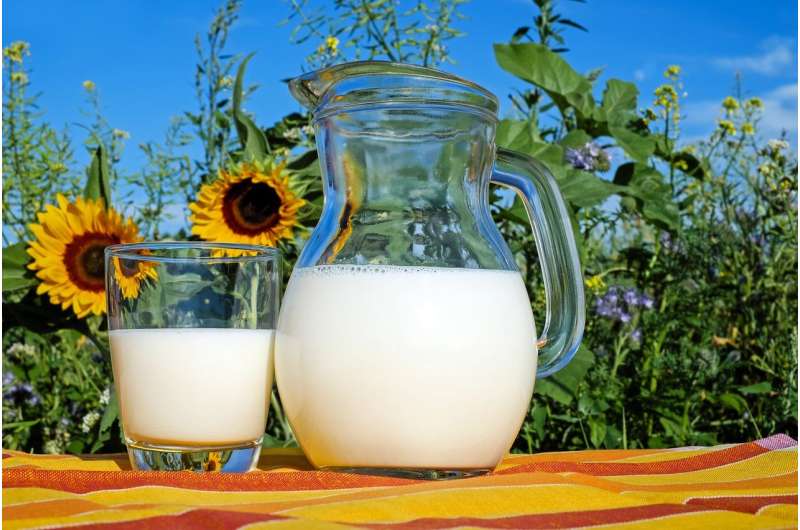
When Professor Ian Givens from the University of Reading heard people reflexively recoil at the phrase "trans fats," he understood the source of their fear — but he also knew they were conflating two entirely different things. A sweeping analysis of 22 studies across Europe, Canada, and the United States has now confirmed what his team suspected: the natural trans fats quietly present in your morning milk, yogurt, butter, and cheese pose no threat to your heart.
The distinction matters because "trans fat" has become shorthand for dietary danger, and understandably so. Industrial trans fats — created during the partial hydrogenation of oils and lurking in some processed and fried foods — carry a well-documented risk of heart disease. But the trans fats produced naturally in the milk of cows, sheep, and goats follow a fundamentally different metabolic path through the body. Understanding this difference could help millions of people make clearer, less anxious food choices.
The research, published in the journal Nutrition Research, examined two types of evidence. The first consisted of ten controlled dietary trials where volunteers consumed dairy foods with naturally higher trans fat content compared to regular dairy products. Across these trials, which involved trans fat intakes ranging from 1.3 to 13.2 grams per day, researchers measured blood lipid biomarkers — the indicators scientists use to predict heart disease risk. The result was consistent across all ten studies: no meaningful differences emerged between the trans fat-enhanced dairy foods and regular dairy foods. The numbers simply didn't shift in ways that would signal cardiovascular concern.
The second body of evidence came from twelve long-term cohort studies that tracked thousands of people over many years, in some cases spanning more than two decades. Researchers measured dairy trans fat levels in participants' blood and watched for links to heart disease, stroke, cardiovascular death, or type 2 diabetes. None were found. People with higher levels of natural dairy trans fats showed no elevated risk for any of these conditions.
This finding offers genuine reassurance in a landscape often cluttered with nutritional confusion. Food labeling policies around trans fats, designed to protect consumers from industrial hazards, can inadvertently create anxiety about dairy products that pose no such threat. The research helps clarify that distinction, allowing people to evaluate dairy's actual health profile rather than fear a category label.
Givens put it plainly: "People hear the words 'trans fats' and assume the worst, but the trans fats in your morning milk, yogurt, butter, or cheese are not the same as the ones from industrial partially hydrogenated fats. This research should give people reassurance that dairy, eaten as part of a balanced diet, is not something to worry about for your heart."
The findings arrive as welcome news for dairy consumers worldwide and underscore a broader truth in nutrition science: how a food is made, and where its components originate, matters as much as its chemical structure. Natural and industrial trans fats may be structurally similar, but their biological effects tell entirely different stories.