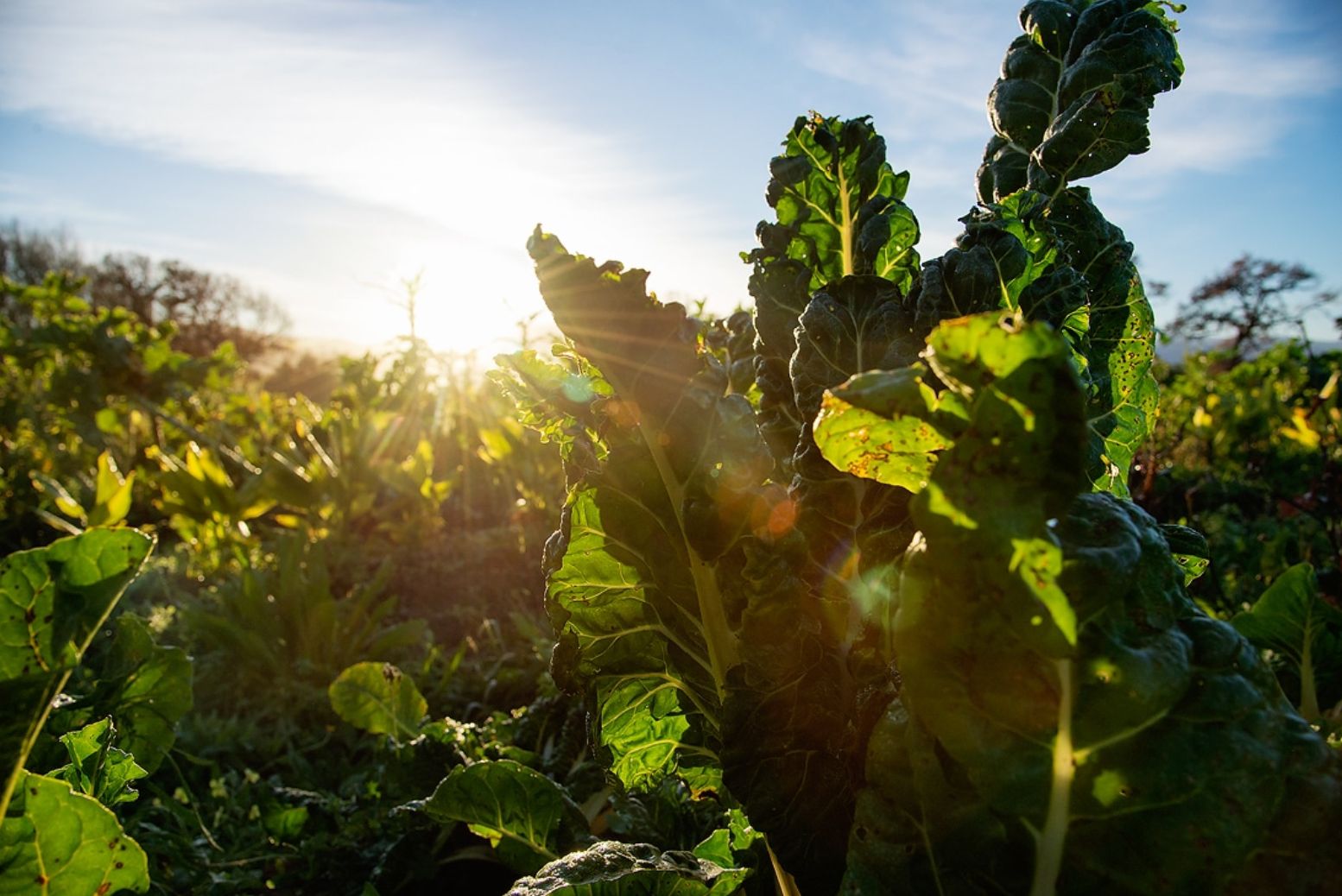
When Kenyan coffee farmers in the highlands near Mount Kenya begin their day, they’re not just tending crops—they’re maintaining a living infrastructure. Their soil, water, and climate are the unseen pillars of Africa’s economy, where 62% of GDP relies moderately or heavily on nature’s services. Yet for decades, financial systems have treated environmental health as a side issue, not the foundation it truly is. Across the continent, agriculture employs more than half the workforce in many countries and anchors export earnings and food security, while tourism, fisheries, and energy depend just as deeply on functioning ecosystems. The idea that Africa must choose between development and nature is a false dilemma—development-first is nature-first.
That truth is becoming impossible to ignore. Coffee and cocoa producers face erratic rainfall and degraded soils. Horticulture exporters grapple with strained water systems. Fisheries and coastal tourism economies teeter as marine ecosystems weaken. Environmental decline isn’t a future risk—it’s already raising costs, cutting productivity, and destabilizing supply chains. The World Bank warns that climate-driven pressures could force up to 86 million Africans into internal migration by 2050. Meanwhile, over 45% of the world’s degraded land lies in Africa, threatening food systems and economic resilience at scale.
Despite this, finance has lagged. While billions flow into deforestation and unsustainable extraction, nature-first enterprises—those restoring landscapes, rebuilding soil health, or creating regenerative supply chains—struggle to attract investment. Often seen as high-risk or too complex to measure, these ventures fall into the “missing middle”: too mature for grants, yet not structured for mainstream capital. That’s where the Nature-First Innovation Lab (NFIL) steps in. Launched by FSD Africa with the African Natural Capital Alliance (ANCA) and Systemiq, NFIL is a new accelerator helping promising projects in Tanzania, Ethiopia, and Malawi move from concept to investability. It targets regenerative agriculture, sustainable forestry, seaweed farming, and other models where commercial returns come from premium products, not carbon credits alone.
The pilot focuses on businesses that generate revenue through their core supply chains—like selling high-value, sustainably grown crops—while delivering measurable environmental gains. This distinction matters: it shifts the narrative from charity to viability, from offset to opportunity. By pairing tailored finance with hands-on support, NFIL aims to prove that nature-based enterprises can be both profitable and restorative. As climate pressures mount, the success of these models won’t just benefit individual farmers or ecosystems—it could redefine how Africa invests in its own future.