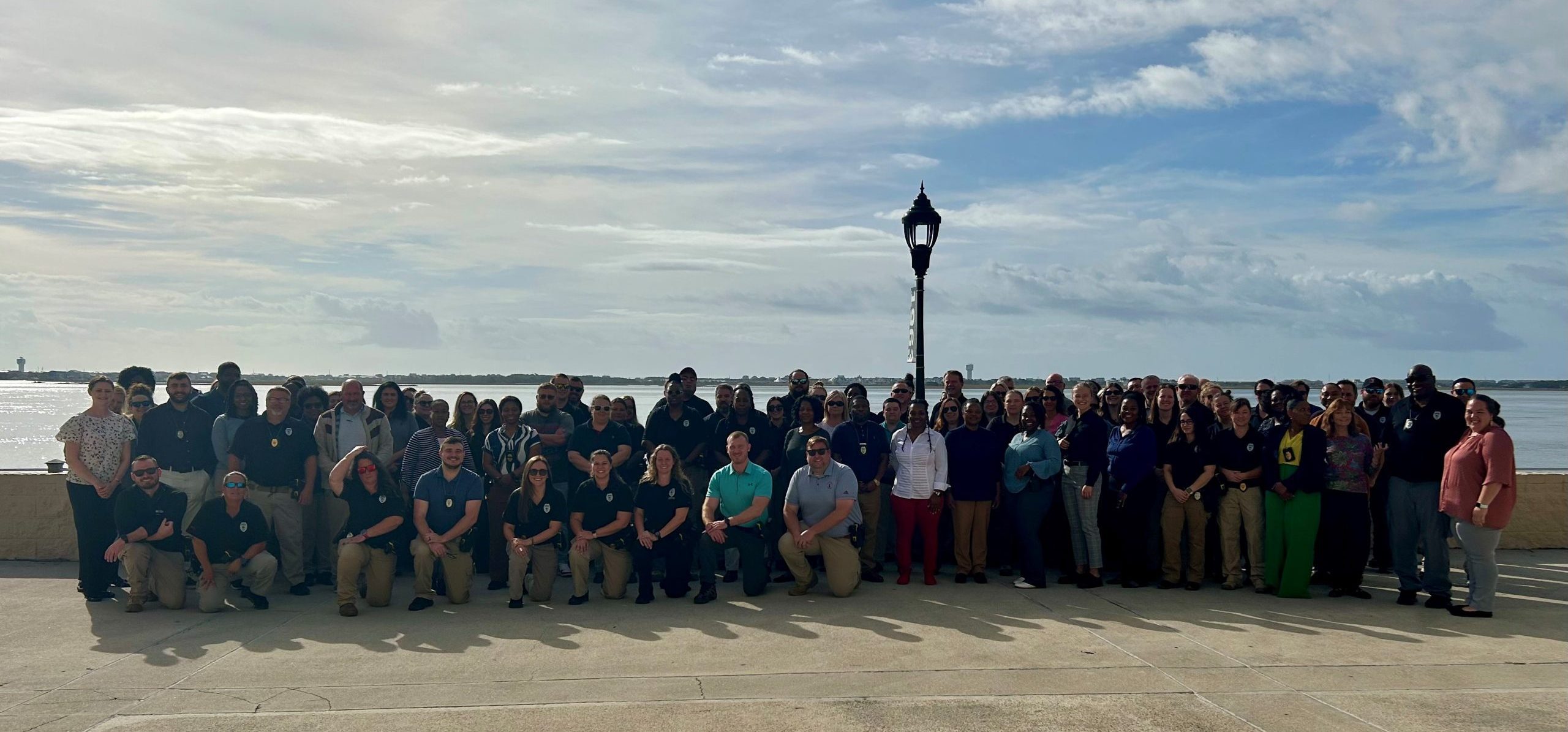
Tracy Lee remembers the moment he realized he was lost. As a probation and parole officer in Mecklenburg County, he found himself supervising people with serious mental illness—and he had no training for it. "I had no idea what I was dealing with," he recalls. "I didn't know what I was looking at. I didn't know how to respond to their behavior." That experience never left him. Now, as chief deputy secretary of North Carolina's Division of Community Supervision overseeing roughly 2,000 officers statewide, Lee has turned that frustration into action.
In April 2025, North Carolina reached a milestone that few states have achieved: every single one of its 100 counties now has at least one officer specially trained to supervise justice-involved people with mental illness. The Specialty Mental Health Supervision program, which began as a modest pilot in just two counties in 2013, has transformed how the state handles some of its most vulnerable populations.
The numbers tell the story of a persistent problem. Nationally, between 16 and 27 percent of people on probation have a mental health condition. North Carolina's own research from 2018 estimated that 15 to 19 percent of the state's probation population struggles with mental illness. These are people who are already navigating the criminal legal system—and now they're doing so while managing schizophrenia, bipolar disorder, depression, and other serious conditions. Without specialized support, the odds work against them. Research shows that justice-involved people with mental illness face significantly higher rates of probation violations, revoked supervision, and re-arrest than their peers without mental illness.
The solution is surprisingly straightforward: smaller caseloads and better training. Specialty mental health officers carry up to 40 cases instead of the standard 60 or more, allowing them to do the unglamorous but essential work of helping people access care—scheduling appointments, arranging transportation, picking up medications, consulting with doctors. About 255 of these trained officers now supervise roughly 1,800 people across the state. The rest of North Carolina's 2,000 probation and parole officers manage more than 74,000 people under standard supervision.
The program's expansion accelerated dramatically in recent years. In May 2023, only 24 counties had specialized officers. The state hired four licensed mental health professionals to train officers and provide ongoing support as they navigate complex cases. The results from the original 2013 pilot in Wake and Sampson counties had been compelling: officers with specialized training made more mental health referrals, and the people they supervised showed greater engagement in treatment than those on standard caseloads.
Lee frames the stakes plainly: "We don't want to criminalize mental health." For years, the system did exactly that—not out of malice, but out of ignorance. When a probation officer can't recognize the symptoms of a psychotic episode or understand the barriers someone with serious mental illness faces in finding housing and employment, the easiest path forward often leads back to incarceration. That costs taxpayers about $54,000 per person per year. More importantly, it fails the person at the center of the system.
With every county now equipped with specialized supervision, North Carolina has begun turning that failure into something different: a system that sees people with mental illness not as problems to be managed through punishment, but as people who, with proper support and expertise, can build stable lives in their communities.