Across South Africa, police are steadily dismantling networks of abuse. In a single year, the South African Police Service arrested 15,888 suspects for crimes against children and secured 2,773 convictions—a concrete reminder that when institutions commit resources and focus, justice moves forward.
The scale of these numbers matters because it shows both the scope of the challenge and the determination of law enforcement to pursue it. Child Protection Month, which draws to a close each year, has become a turning point—not just for awareness, but for action. Throughout the month, SAPS works alongside government departments, civil society organisations and community structures to strengthen prevention initiatives and targeted operations that keep children safe from abuse, exploitation, trafficking and violence.
The work is visible in specific cases that reveal the systematic nature of this commitment. In Gauteng, a stepfather was sentenced to five life terms and an additional 60 years for rape, sexual assault and possession of child sexual abuse material—crimes that began when his victim was only 12 years old. In the Western Cape, a man from Ceres received five life sentences and 78 additional years for sexual offences against three children. In Limpopo, a 22-year-old was given life for raping a 10-year-old girl. Each conviction represents hours of investigation, evidence gathering and the courage of families willing to testify.
What strikes many of these cases is how abuse comes to light. In the Eastern Cape, medical personnel at a provincial hospital in Gqeberha noticed signs of sexual abuse on a critically ill seven-year-old girl during treatment. That observation sparked an intensive investigation leading to the arrest of two suspects. It's a reminder that protection requires not just police, but nurses, teachers and neighbours paying attention.
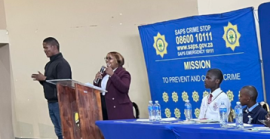
Major General Mmantsheke Lekhele, who heads the Family Violence, Child Protection and Sexual Offences Unit, has been vocal about what this work demands. During a dialogue session in Ntabankulu in the Eastern Cape—where more than 300 learners from local schools participated—she encouraged young people to make informed choices and report abuse. Her message was direct: creating safe environments means children must be protected, supported and empowered to reach their full potential.
The dialogue sessions themselves represent a shift in approach. Officers, learners and stakeholders engaged in open conversations about the consequences of teenage pregnancy, the legal implications of statutory rape, and the lasting impact these crimes carry. It's education paired with accountability—helping young people understand both the risks they face and the recourse available to them.
These efforts matter because child abuse thrives in silence. When police intensify investigations, when convictions reach life sentences, when hospitals and schools know to report suspected abuse, and when young people understand they can speak out—the environment changes. Fear and secrecy lose ground.
The work ahead remains urgent. But the numbers show that South Africa's institutions are moving in the right direction, turning commitment into arrests, arrests into convictions, and convictions into safer communities for children.