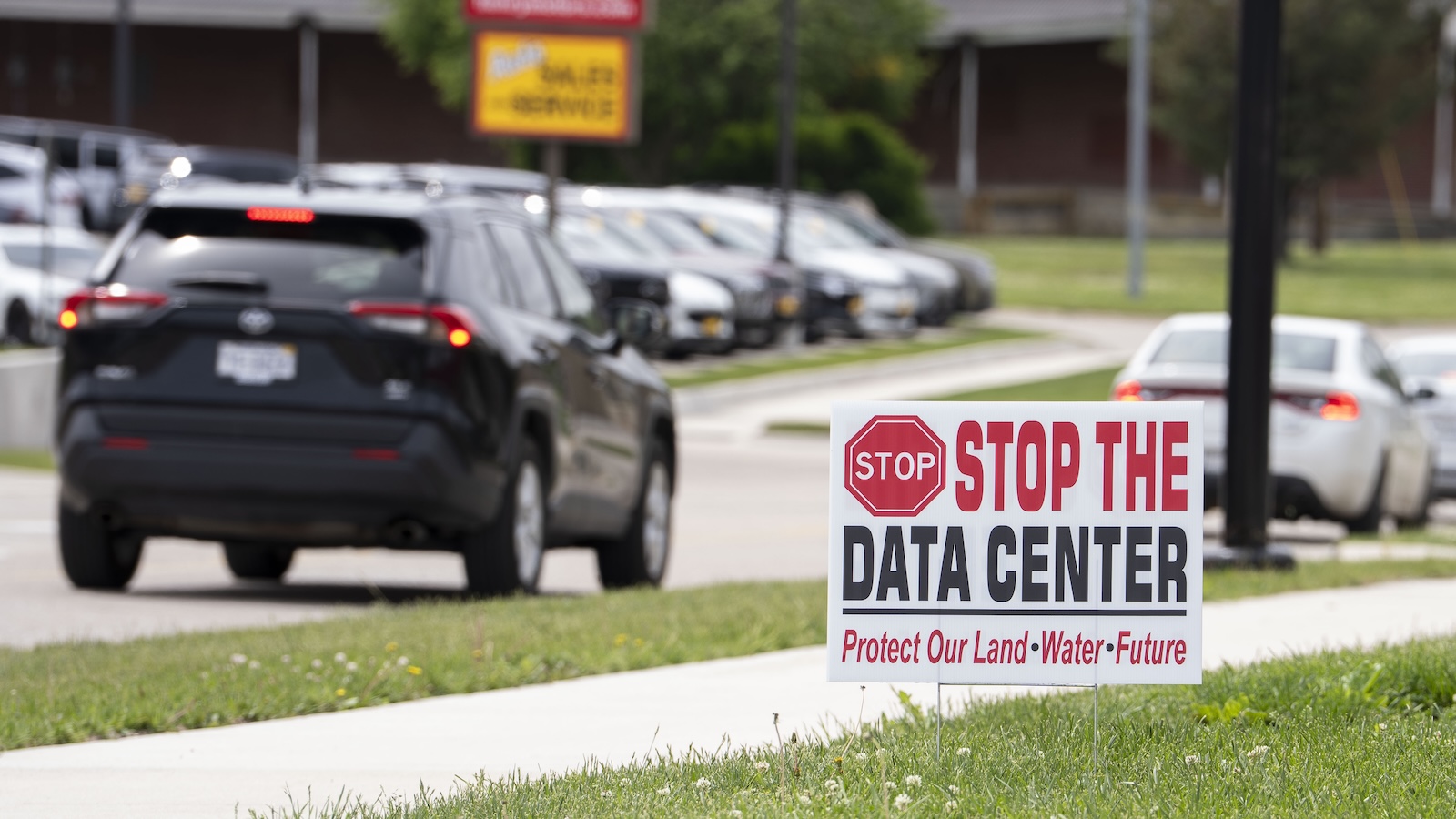
When Wynee Benedict stood before the Otoe County Board in Nebraska last month, she had questions her neighbors wanted answered too: Do we have enough water for them? Who pays for their power? What if they create a heat island?
The object of their concern was a proposed data center — one of the massive, power-hungry facilities that have become a flashpoint across the country as communities grapple with the infrastructure demands of our digital age and artificial intelligence. But unlike many communities caught off guard by such development, the residents of Otoe County, a rural area south of Omaha and east of Lincoln, made their voices heard. The Board voted to suspend permits for new data centers for up to a year, giving officials time to study how such developments fit into the county's future and to update regulations accordingly.
"When people are aware of something coming to town because, 'Oh, my neighbor told me that he just signed this big contract for a right of way' — when people find out that way, they get very excited, and not in a good way," said Jon Cannon, executive director of the Nebraska Association of County Officials. The outcome in Otoe County suggests that when communities engage early and transparently, local governments are listening.
The trend extends well beyond Nebraska. At least 14 states have weighed statewide moratoriums on data centers this year, and local governments from California to Maine have adopted or are considering temporary bans. In Madison County, Nebraska, officials established special permit requirements that allow added oversight and public input — another example of communities rather than developers setting the terms. Gage County is set to hold its own hearing on a moratorium later this month.
Data centers represent just the latest in a long line of developments — wind farms, solar installations, factory farms — that Nebraska's rural counties have had to navigate as they balance economic opportunity with community values. Cannon advises developers to communicate with residents early and openly rather than letting news spread through informal channels. For the residents of Otoe County, that lesson arrived just in time: their questions led to a pause, not a fait accompli.
The moratorium is temporary, and the conversation is ongoing. But for one Nebraska community, the outcome was clear: when neighbors show up, ask hard questions, and demand thoughtful answers, the system can work as intended.