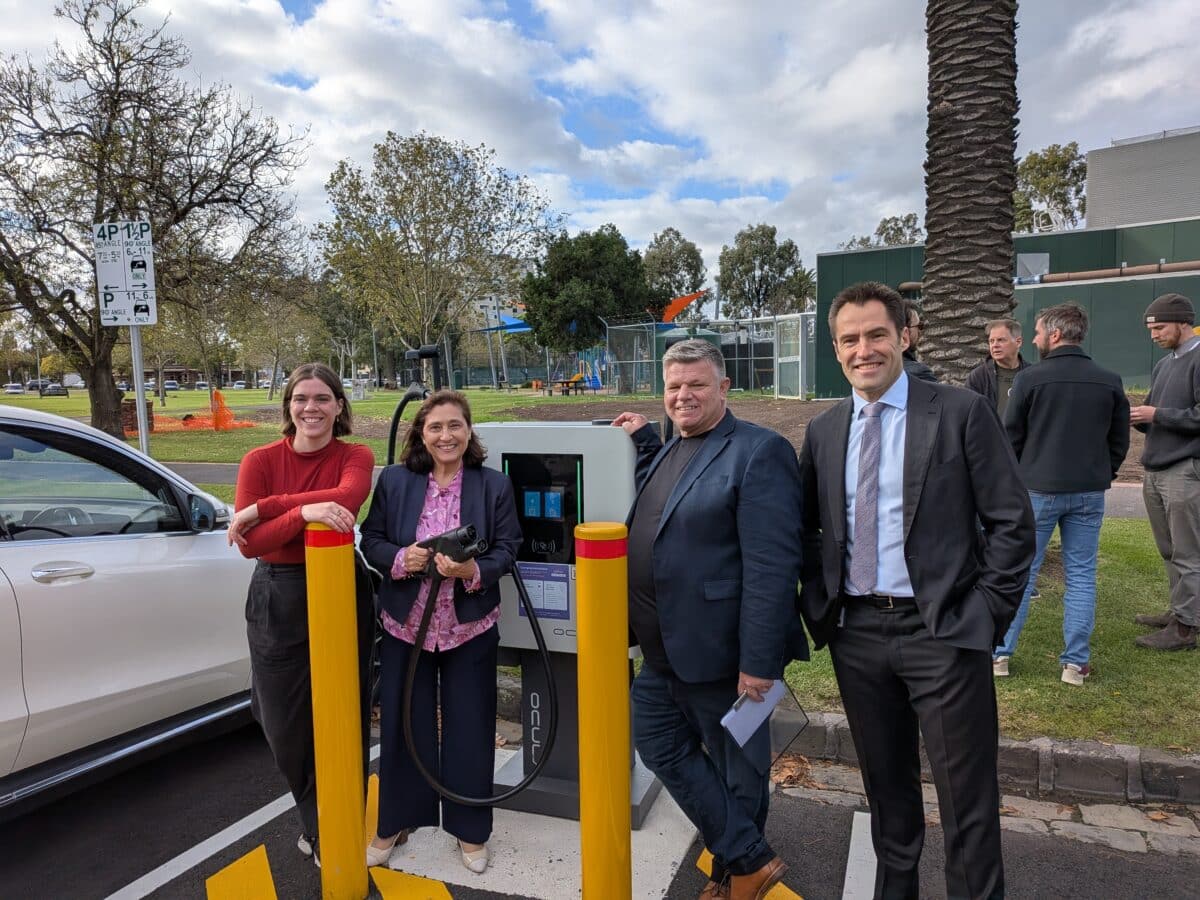
When 72-year-old retiree Margaret Ho steps out of her apartment in Clifton Hill, she doesn’t just see a quiet Melbourne suburb—she sees a working model of the clean energy future. Just meters from her doorstep, a sleek silver community battery hums quietly beside 10 new electric vehicle chargers, storing solar power for her neighbors, stabilizing the grid, and making renewable energy accessible to those who’ve long been left out. Managed by the Yarra Energy Foundation (YEF), this innovative project is proving that clean energy doesn’t have to be a privilege of homeownership.
For the one in three Australians who rent, access to rooftop solar and home batteries has long been out of reach. But the Clifton Hill community battery changes that equation. By linking a 500 kWh battery system with local solar generation and public EV infrastructure, YEF is delivering renewable energy benefits to apartment dwellers, renters, and EV drivers who can’t charge at home. "Public EV charging infrastructure should be accessible for everyone, and especially in suburbs where many people can’t charge at home – public infrastructure like this can be critical to switching to an EV," says YEF CEO Dean Kline.
The numbers tell a powerful story: the battery supports 10 EV charging stations, drawing partly from locally generated solar energy. It reduces strain on the local grid by smoothing out peaks in demand and preventing overvoltage from excess solar exports—issues that often force utilities to curtail renewable generation. By avoiding this curtailment, the system unlocks more clean energy for the community and paves the way for more rooftop solar installations in an area where space and ownership are limiting factors. It also slashes the need for costly grid upgrades, saving money for both the distribution network provider and consumers.
Beyond the technical wins, the project is quietly building social resilience. Residents gather at community meetings to discuss energy use, share ideas, and take pride in their role in the energy transition. This isn’t just infrastructure—it’s a shared asset, democratically governed and locally rooted.
As Australia accelerates toward its renewable targets, Clifton Hill offers a replicable blueprint: combine community batteries with solar and public EV charging, and you unlock cleaner transport, lower bills, and a more resilient grid—all while including those traditionally excluded. With plans already underway to expand the model to other Melbourne suburbs, this small battery may just be the spark for a much larger shift.