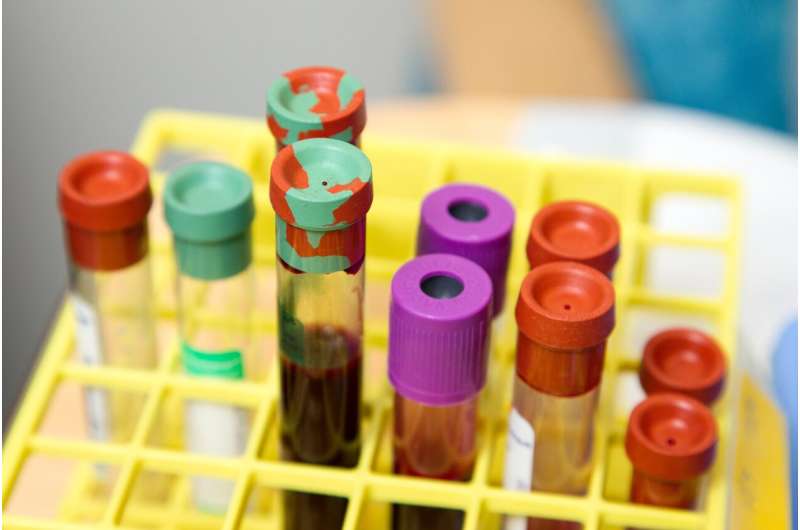
When Elinor Nemlander first began examining blood test records for nearly 400,000 adults in Stockholm County, she wasn't looking for bad news. She was looking for a way to catch disease earlier. The findings from her team at Karolinska Institutet, published in BMJ Oncology, suggest that something as simple and routine as a complete blood count might help identify patients who need closer cancer monitoring—before symptoms even appear.
The study analyzed data from the Stockholm Early Detection of Cancer Study, tracking just over 190,000 adults who received a new anemia diagnosis between 2011 and 2021, alongside an equal number of matched individuals without anemia. All participants were cancer-free at the start. Over the following 18 months, the differences were striking: 6.2 percent of men with anemia developed cancer, compared to just 2.4 percent of men without it. For women, the figures were 2.8 percent versus 1.1 percent.
What makes this research genuinely hopeful isn't just the numbers—it's what they might change. Nemlander's team discovered that the type of anemia matters enormously. Patients whose blood tests showed small red blood cells, a condition called microcytosis, faced the highest cancer risk, particularly for gastrointestinal and blood system cancers. Those with large red blood cells, macrocytosis, showed increased mortality but not the same elevated cancer risk. Crucially, this distinction shows up in routine blood work that doctors already order.
"Our findings suggest that anemia may be a sign of underlying disease rather than a condition in its own right," says Nemlander, a researcher at Karolinska Institutet's Department of Neurobiology, Care Sciences and Society. "Blood tests that are already part of routine care can provide important information about which patients need closer follow-up."
The risk was highest in the months immediately following an anemia diagnosis, but elevated risk persisted throughout the follow-up period. Mortality was also higher among those with anemia compared to those without. Yet for healthcare systems searching for low-cost ways to improve early detection, the implications are significant: existing laboratory infrastructure might already be collecting data that could guide more targeted monitoring.
For patients, the message is less about worry and more about vigilance. Anemia is common and often benign. But when detected, it might serve as a useful signal—one that prompts the kind of follow-up that catches serious conditions early, when treatment is most effective.