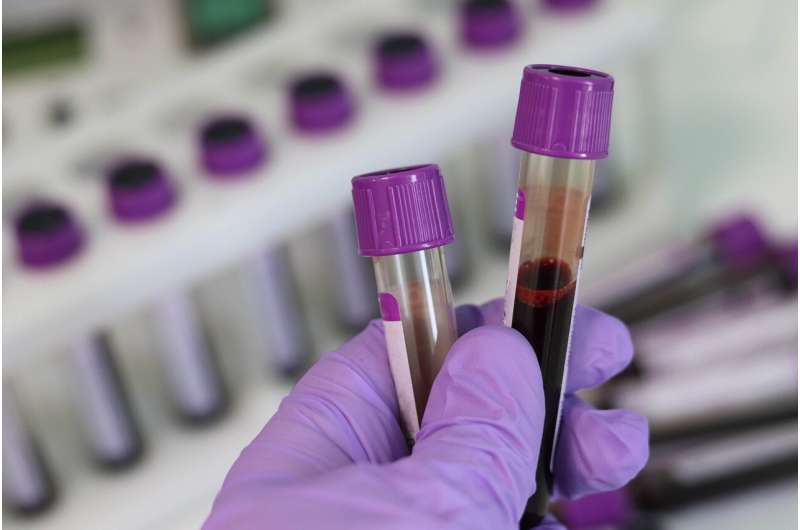
A simple adjustment to how doctors measure iron in children's blood could identify millions of cases of deficiency that currently slip through the cracks. Researchers at the Centers for Disease Control and Prevention have discovered that iron deficiency in U.S. children aged 5 to 14 may be three times more common than current screening methods detect—affecting roughly one in three children when using an updated diagnostic threshold, compared to just one in eleven under traditional approaches.
The finding matters because iron deficiency during childhood can impair brain development, concentration, and learning while causing fatigue and reduced physical performance, yet it often goes undiagnosed until it becomes severe. The problem lies not with the science of iron metabolism, but with the thresholds doctors currently use. Current CDC and WHO guidelines identify iron deficiency when ferritin—a protein that stores iron in cells—drops below 15 micrograms per liter. But Yaw Addo, Ph.D., lead epidemiologist in the Division of Nutrition, Physical Activity, and Obesity at the CDC, and his team found that children's health may already be compromised when ferritin falls below 24 micrograms per liter, a substantially higher cutoff.
The research analyzed blood samples from 3,765 otherwise healthy children, averaging 10.3 years old, who participated in NHANES III, a national health survey conducted between 1988 and 1994. The researchers applied a new methodology that examines changes in red blood cell production and a compound called zinc protoporphyrin, which increases when the body's tissues don't have enough iron. Using this approach, 30 percent of children in the sample showed signs of iron deficiency—a striking contrast to the 9 percent identified under existing diagnostic criteria applied to the same group.
Iron deficiency begins long before anemia develops. Because screening programs often rely solely on checking hemoglobin levels to diagnose anemia, they frequently miss the earlier, treatable stages of iron insufficiency when intervention could prevent harm to a child's developing brain and body. The updated ferritin threshold captures these earlier stages, revealing a much larger population of at-risk children who could benefit from dietary changes or supplementation before serious complications emerge.
The study found that iron deficiency was consistently higher across all ages and sexes when using the new threshold, though patterns differed by age and gender. Older girls aged 12 to 14 showed elevated rates compared to their younger counterparts, likely due to blood loss from menstruation—a biological reality that current thresholds fail to adequately account for. Yet despite these variations, the ferritin cutoff of 24 micrograms per liter remained consistently higher than current recommendations across all demographic groups studied.
Maria Elena Jefferds, Ph.D., co-author and team lead in CDC's Division of Nutrition, Physical Activity, and Obesity, emphasized the potential for earlier intervention: "The findings of this study might help identify earlier stages of iron deficiency than the previously recommended cutoff." The CDC is now examining how healthcare providers can implement these new thresholds into clinical practice to improve detection in school-age children. Though the original data came from a national survey conducted three decades ago, researchers confirmed their findings using more recent NHANES data from 2017 to 2023, suggesting the problem persists today.