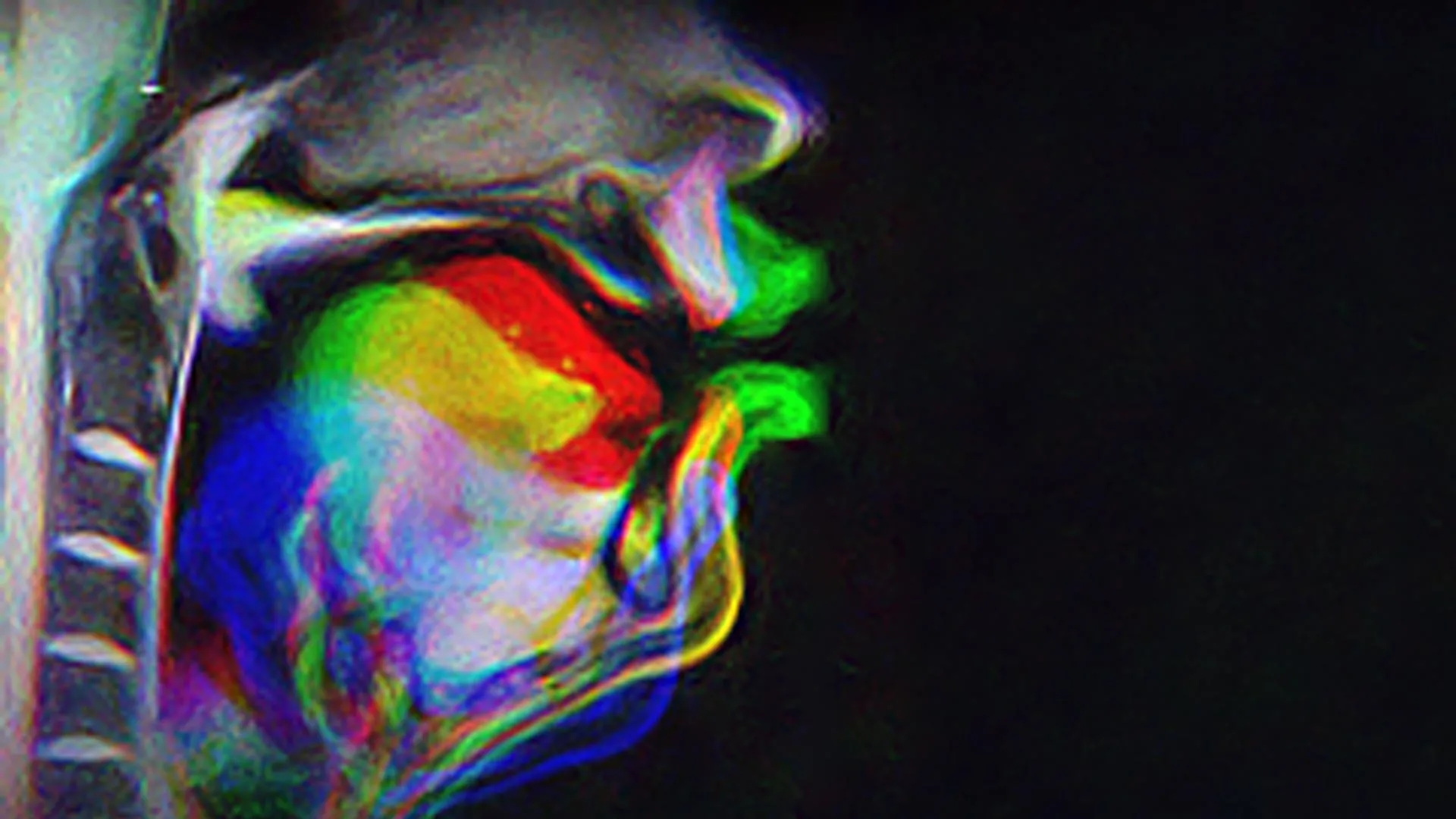
When Nishant Rao slipped on a Montreal winter sidewalk, he didn’t just brush off the fall—he thought about how his brain sensed it. That same curiosity about how the body’s sensory systems shape learning now underpins a groundbreaking discovery about speech. At McGill University, Rao and Professor David Ostry have found that learning to speak relies far more on what we hear and feel than on the brain’s motor commands. Their study, conducted with colleagues at Yale and published in the Proceedings of the National Academy of Sciences, turns decades of neuroscience on its head. For years, scientists assumed speech learning was driven primarily by motor regions—the parts of the brain that tell our lips, tongue, and vocal cords how to move. But Rao, Ostry, and their team have shown that auditory and somatosensory areas, which process sound and physical sensation, are the real architects of speech memory.
The implications are profound. If speech is shaped more by sensation than movement, then therapies for stroke survivors and language learners may need to shift focus. The team tested this idea with a clever experiment: they altered participants’ voices in real time as they spoke, feeding the modified sound back through headphones. This subtle manipulation prompted people to adjust their speech—essentially learning a new vocal pattern. The next day, the researchers used transcranial magnetic stimulation (TMS) to briefly disrupt activity in three brain regions: the auditory cortex, the somatosensory cortex, and the motor cortex. The results were striking. When the auditory or somatosensory areas were disrupted, participants forgot the speech adjustments they had learned. But when the motor cortex was disrupted, their memory remained intact. “Our study challenges the assumption that new speech memories are solely reliant on changes in motor areas of the brain,” Rao said. “Instead, it underscores the importance of changes in auditory and somatosensory brain areas in shaping how we learn to speak.”
This sensory-first model of speech learning isn’t entirely new to the team. Earlier work on arm movements showed similar results—sensory disruption impaired motor learning. Now, the same principle applies to speech, suggesting a unified theory of how the brain learns physical skills. The findings could reshape brain-computer interfaces and speech prosthetics, especially for people who’ve lost the ability to speak. By focusing on sensory feedback, future technologies might better mimic natural learning. The research was funded by the U.S. National Institute on Deafness and Other Communication Disorders, and the team is now exploring how these sensory circuits can be harnessed in stroke rehabilitation. As neuroscience shifts from movement to sensation, one thing becomes clear: to help people speak again, we may need to make them listen—and feel—first.