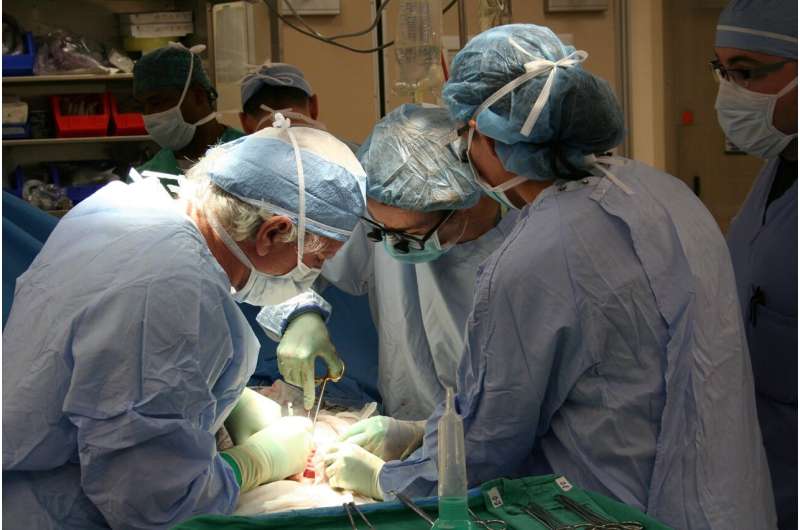
Two patients who had spent years—sometimes decades—waiting for a kidney transplant finally received one, thanks to an ingenious repurposing of a cancer therapy at the University of Pennsylvania. These weren't routine cases. Both patients were "highly sensitized," meaning their immune systems had developed antibodies so aggressive that they would attack nearly every donor kidney on Earth. And yet, after treatment with CAR T-cell therapy—a technique originally designed to fight blood cancer—their immune systems were effectively reset, their antibody levels plummeted, and compatible kidneys became available. The results, published in the New England Journal of Medicine, represent the first time this approach has successfully enabled transplantation in patients considered among the most difficult to match in the nation.
The numbers underscore the scale of the challenge. More than 91,000 Americans are currently waiting for a kidney transplant, but roughly 5,000 of them are "highly sensitized"—their cPRA (Calculated Panel Reactive Antibody) scores hovering near 100%. This measurement indicates compatibility with fewer than one in 1,000 available donor kidneys. For these patients, traditional methods like plasma exchange or antibody-blocking drugs often fail. Many never find a match at all. The two Penn Medicine patients in this trial had cPRA levels near 100% and had waited years without a single viable option.
The treatment itself represents an elegant application of science developed a decade earlier. Carl June and colleagues at Penn created CAR T-cell therapy and saw it approved by the FDA in 2017 for blood cancers. The therapy works by reprogramming a patient's own immune cells to recognize and attack cancer. But Ali Naji, MD, PhD—the Jonathan E. Rhoads Professor of Surgery and principal investigator—and his team at Penn Medicine, working with collaborators from NYU Langone and Mass General, asked a bold question: could the same approach help patients whose immune systems were attacking donor organs?
The dual strategy they deployed was specific and surgical. CD19-targeted CAR T cells eliminate memory B cells, while BCMA-targeted CAR T cells deplete antibody-producing plasma cells. By removing both populations, the researchers aimed to dramatically reduce circulating antibodies and give the immune system a chance to reset. "For patients who have spent years on the kidney transplant waiting list, this approach could be transformative," Dr. Naji said.
What happened next vindicated the concept. Both patients experienced dramatic reductions in the harmful immune antibodies blocking transplantation. Their cPRA scores dropped enough to identify compatible donors. Both successfully received kidney transplants. Months later, neither showed signs of donor-specific antibody rebound or organ rejection. Equally striking, neither developed the severe side effects sometimes seen in cancer patients—no severe cytokine release syndrome or neurotoxicity. The treatment was tolerated well, and the immune system began recovering as expected.
This is a Phase I clinical trial, meaning the results are preliminary and further study is needed. But the implications ripple outward. Robert Montgomery, MD, PhD, of NYU Langone noted that this success "could save thousands more lives every year" and reflects what's possible when institutional teams push the boundaries of cell therapy. For the highly sensitized waiting on transplant lists—people for whom hope had nearly evaporated—a new door has opened. The question now is whether this approach can be scaled and replicated, turning a promising early result into a lifeline for thousands.