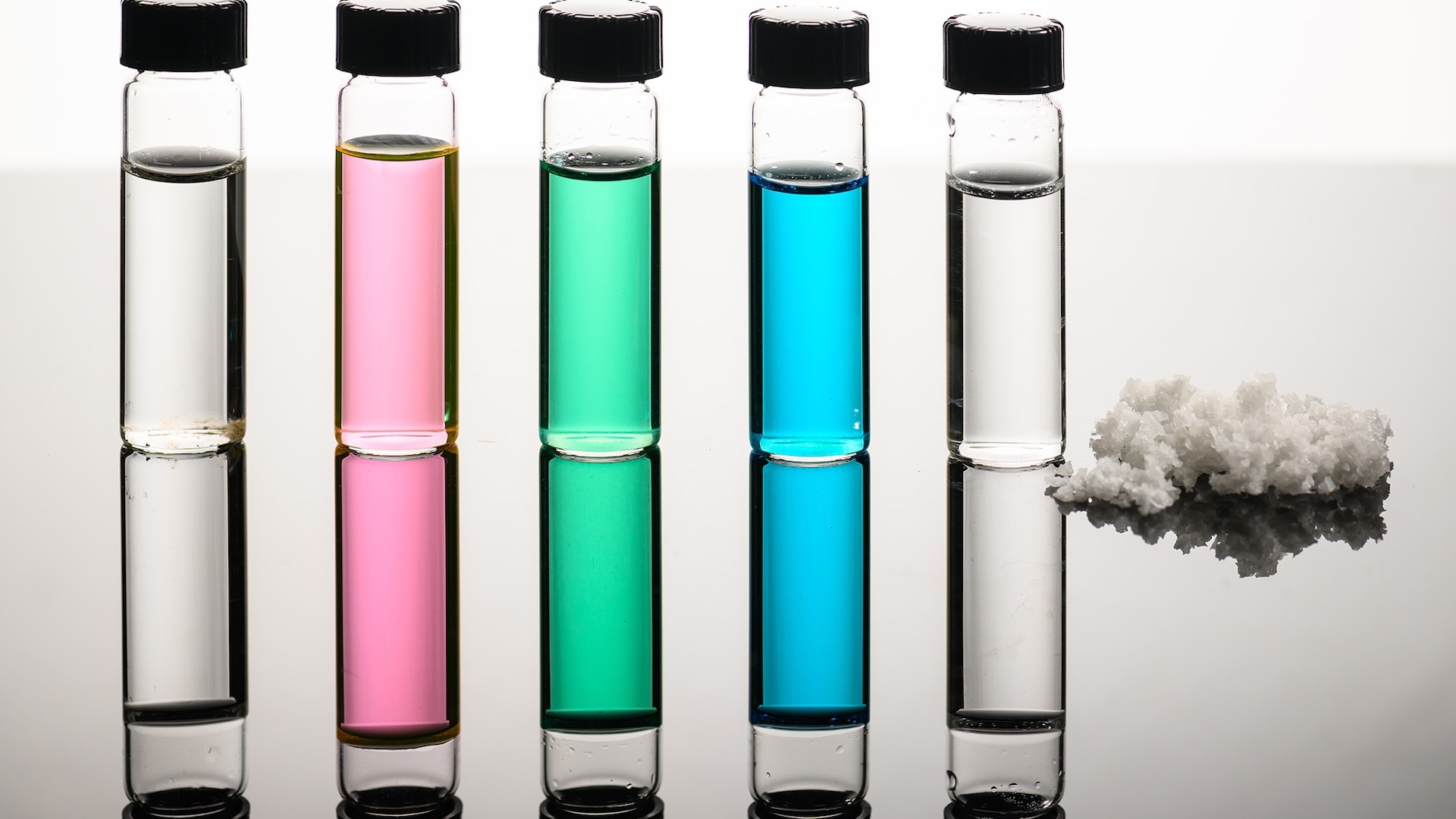
Chunlei Guo and his team at the University of Rochester are reimagining what happens after seawater becomes drinkable—turning a pollution problem into a treasure trove of useful minerals. For decades, desalination has offered a lifeline to water-scarce regions, but at a steep environmental cost: the discharge of toxic brine that can devastate marine ecosystems. Now, a breakthrough solar-powered system developed in upstate New York could end that tradeoff for good. In a study published in the journal Light: Science & Applications, the researchers unveiled a method that extracts salt from seawater as solid crystals, not liquid waste—eliminating brine entirely.
This innovation matters because over 16,000 desalination plants operate worldwide, producing enough brine each day to fill 720,000 Olympic-sized swimming pools. That waste, often pumped back into the sea, increases salinity and harms aquatic life. The Rochester team’s approach sidesteps this by using a specially engineered black metal surface that absorbs sunlight efficiently, heating seawater just enough to drive off freshwater vapor while leaving behind solid salt deposits. These can be collected, stored, and even sold—transforming waste into a resource.
The numbers behind the system are as promising as its environmental benefits. Early tests show it can produce freshwater at a rate of up to 1.5 liters per square meter per hour under natural sunlight, all without external energy input. But the real surprise lies in what’s left behind: not just table salt, but potentially valuable minerals like lithium. With global lithium demand expected to grow sixfold by 2030, according to the International Energy Agency, the ability to harvest it directly from seawater could reshape supply chains. "Mining lithium from the Earth has proven to be very taxing from an energy and environmental standpoint, so pulling lithium directly from saltwater could be a very important future route," Guo explained.
Beyond sustainability, this method could make desalination more economically viable. If plants can offset costs by selling recovered salts and minerals, the financial barriers to clean water access may begin to dissolve. The system’s simplicity—relying solely on sunlight and passive materials—also makes it ideal for remote or off-grid communities where infrastructure is limited.
While still in the lab phase, the technology points toward a future where water scarcity doesn’t mean choosing between human needs and ecological harm. As climate change intensifies droughts and populations grow, solutions like this don’t just offer water—they offer wisdom. The next generation of desalination might not just quench our thirst, but do so without leaving a trace.