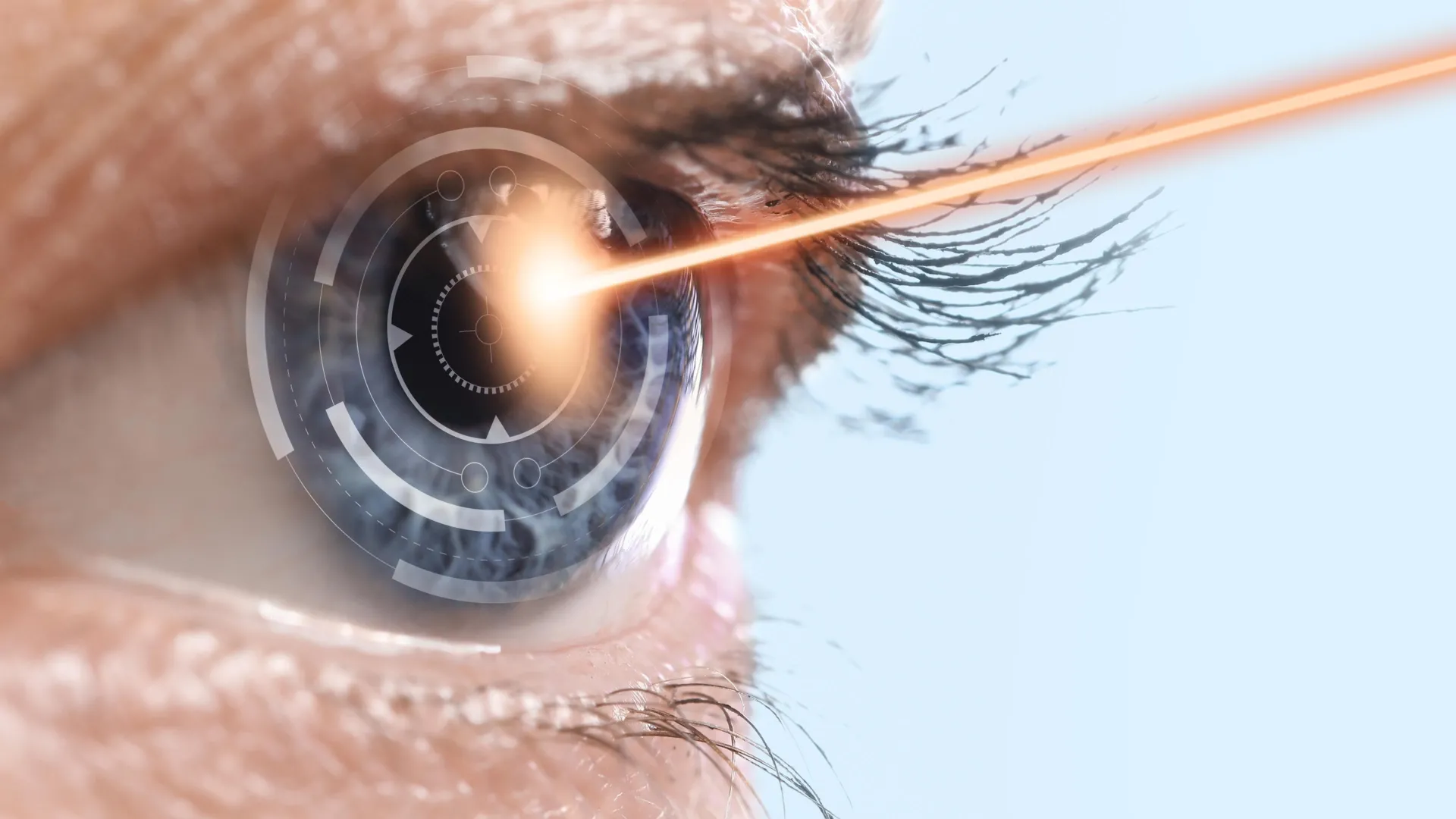
About one-third of people over 80 have age-related macular degeneration, and yet for the most common form—dry AMD—doctors still struggle to intervene before vision damage becomes severe. Now researchers at Aalto University are pursuing a strikingly different strategy: rather than replacing cells after blindness has set in, they're exploring whether controlled heat can coax vulnerable eye cells into repairing themselves before the disease causes devastating harm.
The approach hinges on a simple but elegant insight. As we age, the protective machinery inside our cells weakens, leaving the retina exposed to oxidative stress that damages proteins. These damaged proteins clump together into fatty deposits called drusen, the hallmark of dry AMD. When drusen accumulate, they interfere with the macula—the part of the eye responsible for sharp central vision—making it harder to read, recognize faces, or focus on objects straight ahead. Around 20 million Americans age 40 and older are living with AMD today, yet the disease often progresses quietly until central vision is already compromised.
The Aalto team's method targets this vulnerable window—the early diagnostic phase when intervention might still halt the disease process. They deliver carefully controlled heat using near-infrared light to warm the retinal tissue just enough to trigger the cell's built-in survival systems without causing damage. The key innovation is real-time temperature monitoring. Because tissue damage occurs above 45 degrees Celsius, the system must stay within a narrow therapeutic range, making precision essential.
This mild heat stress works like a wake-up call for two critical cellular repair systems. The first involves heat shock proteins, which spring into action when cells are stressed and help damaged proteins refold into their correct shape. If repair isn't possible, the proteins are broken down and recycled. The second system is autophagy—a cellular cleanup mechanism that Yoshinori Ohsumi won the Nobel Prize in Medicine for discovering in 2016. Autophagy forms a membrane around unwanted material and directs enzymes to break down old or damaged components, essentially acting as cellular waste disposal.
"We were able to show that we can activate not only the production of the heat shock proteins, but also autophagy using the heat shocks," says Professor Ari Koskelainen. "This process is like waste disposal." What makes this approach powerful is that it targets two fundamental survival systems at once, rather than attacking a single symptom.
Animal studies in mice and pigs have already demonstrated that controlled heating can activate these protective responses in retinal tissue. The next milestone is human testing. Patient trials are planned to begin in Finland in spring 2026, starting with a focus on safety rather than vision improvement. If that phase succeeds, researchers will learn how often treatment needs to be repeated—a crucial detail, since Koskelainen notes that "the response can already begin to decline some days after the treatment." This suggests that if the approach works in people, it may become a maintenance therapy rather than a one-time fix, much like managing other chronic conditions.
The work represents a broader shift in how researchers approach dry AMD. For the first time, there's genuine hope that intervention during the early stages might slow or even stop the disease before it steals vision. For millions of older adults living with AMD today, that possibility offers something that's been missing: a genuine chance to prevent blindness before it starts.