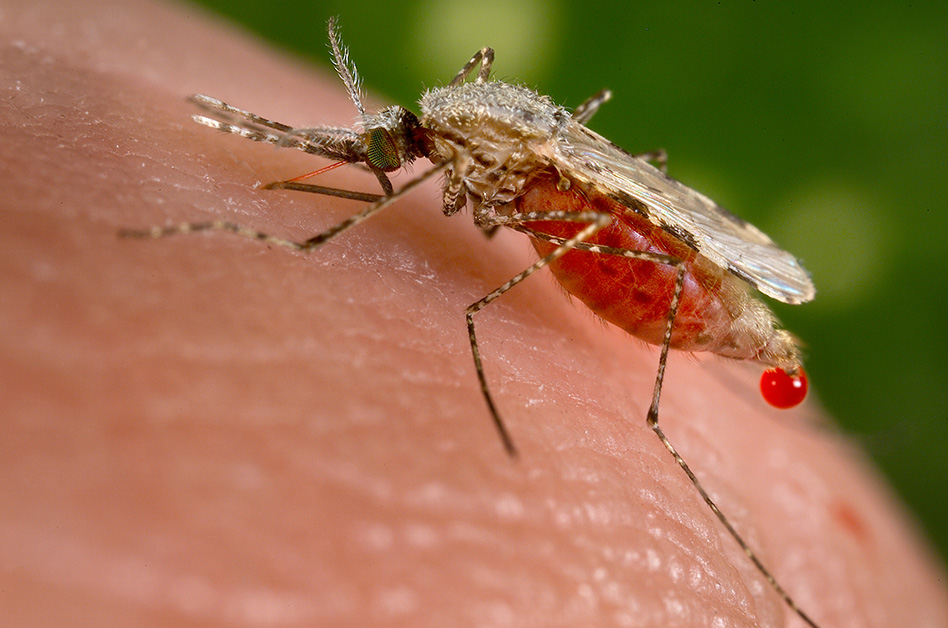
In a small Brisbane clinic, 12 volunteers agreed to be deliberately infected with malaria. It sounds risky — and it was — but their courage helped researchers discover something remarkable: a new drug that kills malaria parasites in just two to four hours, roughly as fast as the best medicines we already have, but working in a completely different way.
The compound, called MMV367, was developed through a partnership between Medicines for Malaria Venture (a nonprofit that funds drug research) and the pharmaceutical company GSK. QIMR Berghofer Medical Research Institute in Brisbane ran the early-stage trial, published in the journal Science Translational Medicine. Twelve healthy adults received a controlled dose of malaria parasites and then were treated with the experimental drug. A single dose of just 20 milligrams or higher was enough to rapidly clear parasites from their bloodstream.
Malaria remains one of the world's deadliest diseases, with more than 280 million cases occurring every year. For two decades, malaria parasites in Southeast Asia have become increasingly resistant to artemisinins — the backbone of current treatment. That resistance is now spreading to Africa, which bears the heaviest burden of the disease. Scientists urgently need new weapons.
What makes MMV367 stand out is its mechanism: it blocks two key enzymes that the parasite needs to survive inside red blood cells. This is an entirely new class of antimalarial, meaning parasites have never encountered anything like it before. In the trial, researchers found no signs of drug resistance developing.
Associate Professor Bridget Barber, who led the research at QIMR Berghofer, said the speed of parasite clearance was comparable to artemisinins, but the drug works in a completely different way. "There is a continuous need for new antimalarials because of the threat of parasite resistance to first-line therapies," she explained. "This potential treatment belongs to an entirely new class of antimalarials."
Perhaps the most exciting possibility is that MMV367 could become a single-dose cure. Current malaria treatment often requires multiple doses over several days, which can be hard for patients in remote areas to complete. A one-dose option could dramatically improve outcomes and reduce the chance of treatment failure.
Researchers now plan to test the drug in actual malaria patients in regions where the disease is endemic, such as sub-Saharan Africa. Stephan Chalon, a vice president at Medicines for Malaria Venture and a co-author of the study, said new compounds like this one are essential: "Malaria elimination will only be achieved by filling the drug pipeline with novel compounds that can pick up the baton when and if current options fail."