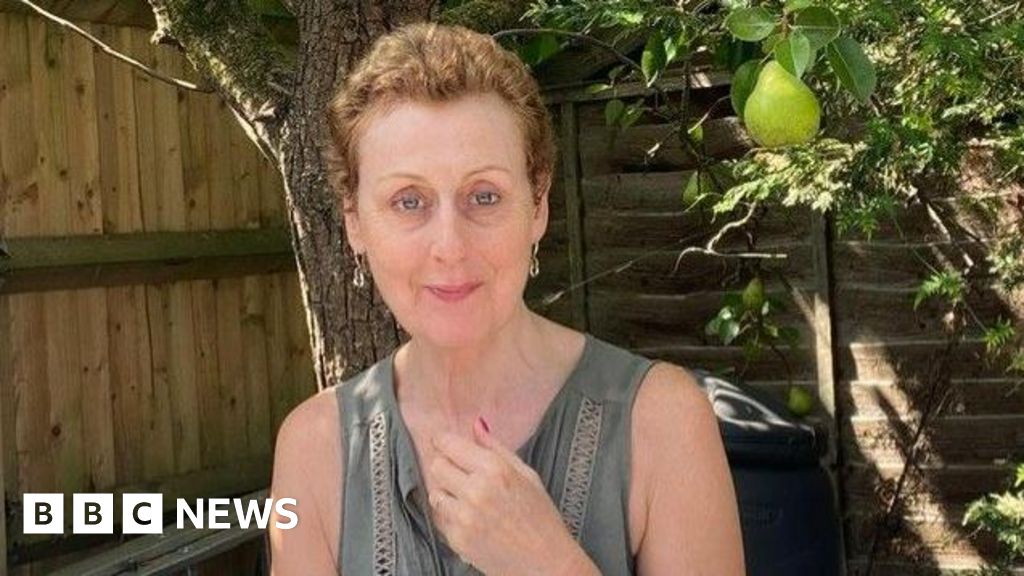
Patricia Hill was attending the theatre in London's West End and visiting family in Ireland when she realised the drug coursing through her veins had given her something she thought chemotherapy had taken away: her life back.
The 64-year-old from north London is one of the first patients in the UK to benefit from mirvetuximab soravtansine, a breakthrough treatment for ovarian cancer that the NHS has now approved and funded. For women with platinum-resistant ovarian cancer—the kind that no longer responds to standard chemotherapy—this drug represents the most significant medical advance in over two decades. The difference it makes is almost shockingly practical: patients keep their hair, experience fewer debilitating side-effects, and can actually do the things they love rather than spending their energy simply surviving.
The drug works like a precision weapon disguised as a Trojan horse. Mirvetuximab is an antibody fused with a potent chemotherapy agent, designed to seek out a specific marking called folate receptor alpha that appears on certain ovarian cancer cells. Once the antibody finds and latches onto a cancer cell, it delivers its toxic payload directly to the tumour, sparing healthy tissue. About 30–40 per cent of chemotherapy-resistant ovarian cancers carry these markings, making them susceptible to this targeted approach. The infusion is given every three weeks rather than weekly, immediately cutting treatment burden in half.
The clinical evidence is compelling. Women treated with mirvetuximab soravtansine survived an average of 16.5 months compared with 12.8 months on conventional chemotherapy—a meaningful gain for patients with a disease that takes 7,750 lives annually in the UK alone. But the real measure of its breakthrough status lies in quality of life. When Jenny Green, 71, from Hertfordshire participated in the clinical trials, she experienced hardly any side-effects at all. She watched her cancer nodules shrink on scans and her blood work normalise. "That's been amazing," she told researchers.
Patricia Hill's testimony captures why this matters beyond statistics. The difference between standard treatment and mirvetuximab, she said, was "like night and day." She felt far less tired and sick, which meant she could actually accept invitations to dinner, attend the Chelsea Flower Show, and maintain connections with distant family. "It actually opens up a lot of possibilities," she reflected—a simple sentence that contains the entire human dimension of this drug's impact.
Up to 400 patients a year in England could access this treatment immediately. The National Institute for Health and Care Excellence (NICE) has approved mirvetuximab for ovarian, peritoneal, and fallopian tube cancers when chemotherapy has failed and the cancer cells display the right markers. NHS England will fund the drug, with Wales and Northern Ireland expected to follow suit. Scotland will make its own assessment.
Dr Rowan Miller, who led the clinical trials at University College London Hospital, described herself as "really excited" that after a 20-year search for better medications, there was finally something that worked. Prof Ruth Plummer, NHS national clinical lead for cancer drugs, called it the "most significant breakthrough" in treating these hard-to-treat cancers in over two decades. The drug was developed by pharmaceutical company AbbVie.
For women and families who have endured platinum-resistant ovarian cancer with almost no effective options, this approval marks a turning point—not just in how much time they gain, but in how they spend it.