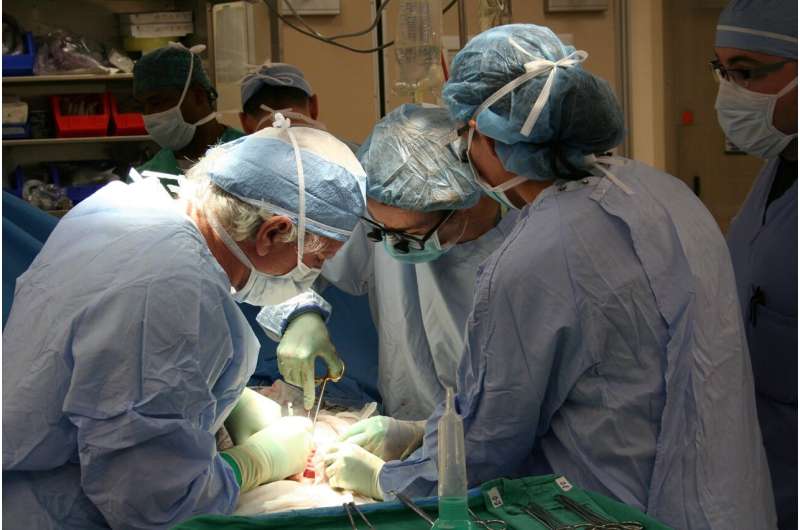
At Mayo Clinic in Arizona, 21 liver transplant patients who had battled alcohol-related liver disease faced a critical test: could a new coordinated care protocol help them stay sober after receiving their second chance at life? The answer came back with remarkable clarity—none of them relapsed to heavy alcohol use within one year, a stunning reversal of the historical pattern that had long haunted transplant medicine.
Alcohol-associated liver disease has become the leading indication for liver transplantation in the United States, yet the medical system has traditionally treated these patients reactively, stepping in only after relapse occurs. That approach left patients vulnerable. Those who relapsed faced not just health complications but the devastating reality that another transplant might never come. The stakes could not be higher.
Dr. Channa Jayasekera, a transplant hepatologist at Mayo Clinic and senior author of the study published in Liver Transplantation, led a team that reimagined this entirely. Rather than waiting for failure, they designed PACT—Preventing Alcohol-Related Complications After Transplantation—a multidisciplinary protocol that treats alcohol use disorder as what it truly is: a chronic medical condition deserving of active, ongoing care. The protocol combines anticraving medication with frequent patient follow-ups, alcohol metabolite testing, and a coordinated team of transplant hepatologists, surgeons, addiction counselors, psychiatrists, and pharmacists working in concert.
The results exceeded expectations. Among the 21 patients who engaged with the protocol, the heavy alcohol relapse rate hit zero—compared with the historical benchmark of roughly 25%. "Although this was a small cohort, having no relapses is incredibly encouraging that we have found an effective intervention," Dr. Jayasekera noted. Researchers defined heavy alcohol use precisely as binge drinking (five or more drinks for men or four or more for women on a single occasion) or drinking more than four days per week—thresholds known to damage the transplanted liver and trigger serious health consequences.
The philosophical shift embedded in PACT reflects a deeper understanding: a liver transplant can cure the organ disease, but it does not cure the underlying alcohol use disorder. Many patients requiring urgent transplantation never have time to complete traditional alcohol treatment programs before surgery, arriving at the operating room still actively struggling with addiction. PACT meets them where they are, providing proactive tools and wraparound support from day one after transplant.
Dr. Jayasekera emphasized the human dimension. "These patients are often young and have a long future ahead of them after transplant. If these findings are replicated at other centers, this approach could become a game changer in transplant medicine." The research also carries a broader message: treating addiction with the same rigor and coordination applied to other chronic diseases—diabetes, heart disease, hypertension—can reduce the shame and stigma that has long surrounded alcohol-use disorder in medical settings.
The findings are preliminary, and researchers are already planning the next crucial steps: larger studies and replication at additional transplant centers. But the signal is clear. Mayo Clinic has demonstrated that relapse after liver transplant is not inevitable. With the right team, the right tools, and the right mindset, it can be prevented entirely.