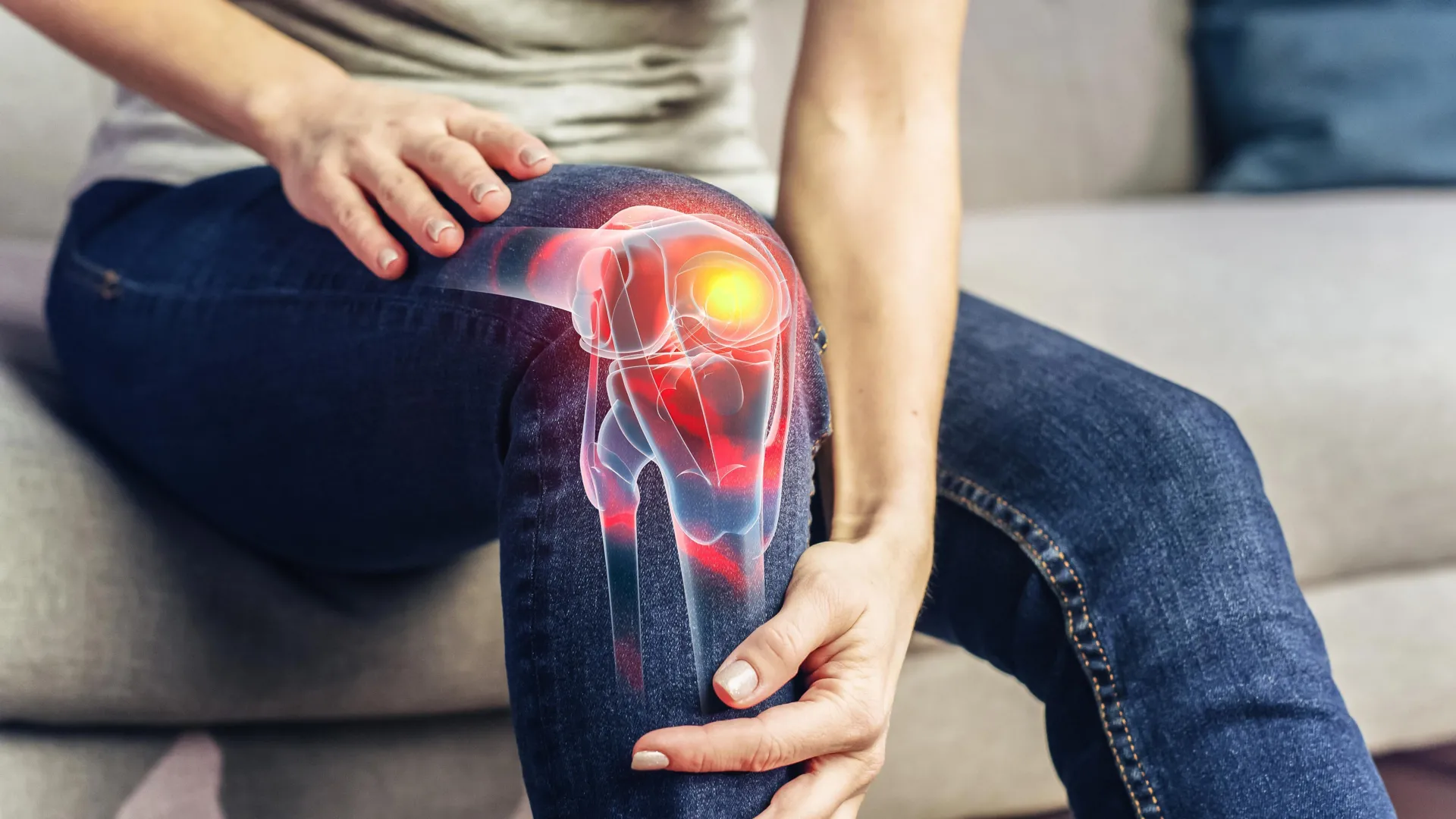
When 72-year-old Margareta Schmidt walked into the Charité – Universitätsmedizin Berlin last summer, her knees ached with every step, a constant reminder of the osteoarthritis that had slowly tightened its grip over the past decade. But just six weeks after a 90-minute procedure involving no surgery, she was gardening again—the first time in years she could kneel without pain. Her story is one of 194 captured in a groundbreaking study that’s reshaping how we treat knee osteoarthritis, a condition affecting over 365 million adults worldwide. For patients like Margareta, who’ve exhausted conservative treatments but aren’t ready—or able—to undergo joint replacement, a new hope is emerging in the form of genicular artery embolization (GAE).
Osteoarthritis isn’t just wear and tear—it’s an active disease process involving inflammation, abnormal blood vessel growth, and nerve sensitization around the joint. Traditional treatments often fall short, leaving patients in a painful limbo. But GAE, a minimally invasive procedure led by interventional radiologists, targets the root of the problem: the tangled network of abnormal vessels feeding inflammation in the knee. Using fluoroscopic guidance, doctors thread a catheter to the genicular arteries and inject tiny, rapidly dissolving gelatin microspheres—calibrated to block only the problematic vessels. The particles vanish within hours, minimizing long-term risks while delivering lasting relief.
Conducted between July and November 2024, the study followed 194 patients—114 women and 80 men—with a median age of 69. Every single one had failed at least three months of standard care, from physiotherapy to steroid injections. All underwent GAE, with 45 receiving treatment in both knees, totaling 239 procedures. Success was immediate: every intervention was technically flawless, and serious complications were nonexistent. Only 6.7% reported mild, self-resolving reactions.
The results, tracked over 12 months, were transformative. Pain scores on a 0-to-10 scale dropped from a median of 7 to just 3—and stayed there. Daily function, measured by the Knee Injury and Osteoarthritis Outcome Score, jumped from 53 to 71.5. Sports and recreation scores more than doubled, rising from 15 to 36. Even quality of life, often eroded by chronic pain, improved from 19 to 40. At six months, 89% of patients were still in the study; at one year, 79% remained—remarkably high retention for a real-world trial.
"Most importantly, their quality of life significantly increased," said Dr. Florian Nima Fleckenstein, deputy head of Interventional Radiology at Charité, who led the research. As the medical community looks beyond replacement surgery, GAE stands out not just for its safety and efficacy, but for its potential to alter the disease’s course. For millions living in pain, it’s not just a treatment—it’s a quiet revolution unfolding one knee at a time.