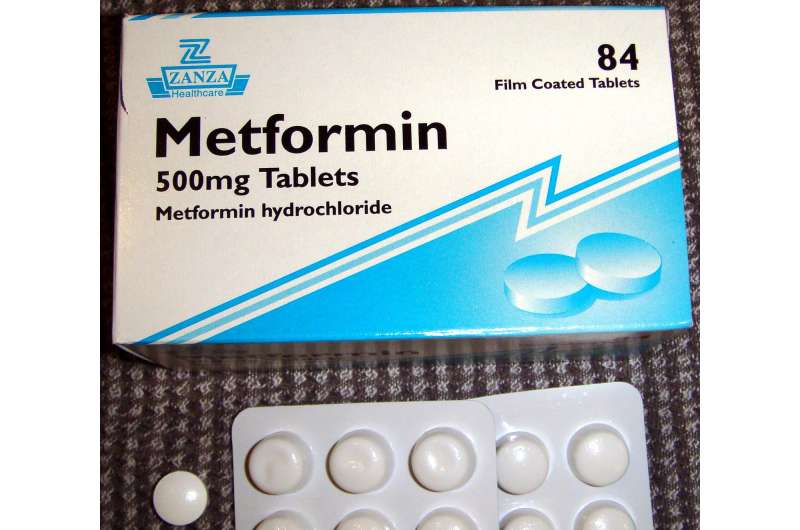
An inexpensive diabetes medication taken during acute COVID-19 infection cut the risk of developing long COVID by half, according to a major new U.S. trial that confirms earlier findings and offers a simple, globally available tool to prevent one of the pandemic's most persistent complications.
The ACTIV-6 study, published in Clinical Infectious Diseases and led by researchers at the University of Minnesota Medical School, followed nearly 3,000 outpatient adults across 90 American sites. Participants with mild to moderate COVID-19 were randomly assigned to receive either metformin or placebo within seven days of symptom onset, then tracked for six months. The results were striking: among those followed for 180 days, clinician-diagnosed long COVID occurred in just 0.56% of people taking metformin compared with 1.17% of those on placebo—a 50% relative risk reduction.
What makes this finding particularly compelling is the drug itself. Metformin has been used safely for decades, costs very little, and is available worldwide. "The finding is particularly important because metformin is inexpensive, globally available and has decades of clinical use supporting its safety," said Carolyn Bramante, MD, MPH, an assistant professor and internist at the University of Minnesota Medical School who led the study. This isn't a brand-new experimental treatment requiring months to manufacture or costing thousands of dollars—it's a medication that millions of people already take daily for diabetes management.
The trial enrolled participants between September 2023 and May 2024, a period when the pandemic landscape had shifted dramatically. More than 83% of participants already had substantial immunity from vaccination, prior infection, or both, making the results highly relevant to how COVID-19 circulates today. Researchers observed consistent benefits across low-, standard-, and high-risk groups, suggesting metformin's protective effect holds across diverse populations.
Bramante had reasoned that metformin might help based on unusual historical evidence—the drug was used as an antiviral treatment in the early 1900s—combined with its well-documented anti-inflammatory properties. That scientific intuition led to earlier trials, and now ACTIV-6 has replicated those encouraging results. David Boulware, MPH, a professor of infectious disease at the University of Minnesota Medical School and steering committee co-chair, emphasized the importance of this confirmation: "Reproducing research is very important, and both trials have also been replicated in analyses of electronic health record data. Together, these independent studies support that in low- to high-risk adults, metformin is an effective strategy to reduce the risk of long COVID."
While the trial's primary endpoint—whether participants reported any COVID symptoms 180 days after starting treatment—did not reach its prespecified efficacy threshold, metformin showed a high probability of reducing overall symptom burden and, critically, preventing clinician-diagnosed long COVID. No safety concerns emerged during the study, underscoring the drug's tolerability.
The research team is now investigating biospecimens collected during acute infections to understand metformin's mechanisms and whether similar protective actions might work against other viral infections. These findings arrive as long COVID remains a significant public health challenge, affecting millions globally. For those developing acute COVID-19, a simple, affordable, proven intervention to cut long COVID risk in half represents genuine hope—and a concrete tool that health systems worldwide could deploy immediately.