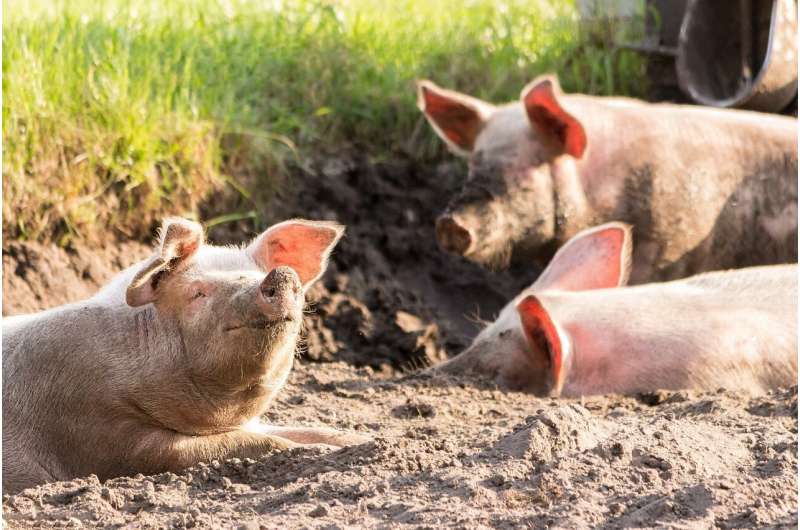
The piglets on the research farm in Lincoln, Nebraska, didn’t just survive the controlled swine flu challenge—they thrived, their lungs clear and breathing steady, thanks to a single shot that activated immunity in under two weeks. Developed by a team at the University of Nebraska–Lincoln, this breakthrough DNA-based vaccine uses lipid nanoparticles to deliver genetic instructions directly into muscle tissue, sparking a rapid and robust immune response where older vaccines have faltered. For a U.S. swine industry valued at $5 billion and home to 3.6 million pigs, this innovation could be transformative—not just for disease control, but for how quickly and safely vaccines can be updated.
Swine flu is a moving target. Pigs act as “mixed vessels” for influenza, capable of hosting strains from birds, humans, and other pigs simultaneously. When these viruses mix, they spawn unpredictable hybrids that can evade existing vaccines. Current vaccines, made from inactivated whole viruses, sometimes worsen respiratory symptoms when a mismatched strain hits. But in trials, the Nebraska team’s vaccine didn’t just avoid that pitfall—it prevented lung consolidation, a hallmark of severe infection, even when pigs were exposed to a different flu strain.
Led by animal science professor Hiep Vu and primarily driven by graduate researcher The Nguyen, the team packaged a non-infectious piece of flu virus DNA into tiny fat-like carriers. A single dose, injected into pigs, triggered strong antibody production within seven to 14 days—far faster than traditional methods. Unlike past DNA vaccine attempts, which struggled to generate protection, this one proved both effective and safe, with no signs of enhanced disease. Because it doesn’t require handling live, dangerous viruses, the vaccine can be developed without high-biosafety labs, slashing time and cost.
That’s critical when facing threats like highly pathogenic avian influenza, which could spill into swine with devastating consequences. With this new platform, Vu says, an updated vaccine could be designed and synthesized in as little as a month. It’s not just a vaccine—it’s a system, built for speed and adaptability. And the potential extends beyond pigs. Vu and veterinary pathologist Sarah Sillman are already exploring applications for poultry, aiming to create a universal platform that can respond rapidly across species.
As viruses evolve, so must our defenses. This Nebraska breakthrough offers more than protection for pigs—it offers a smarter, safer way to stay ahead.