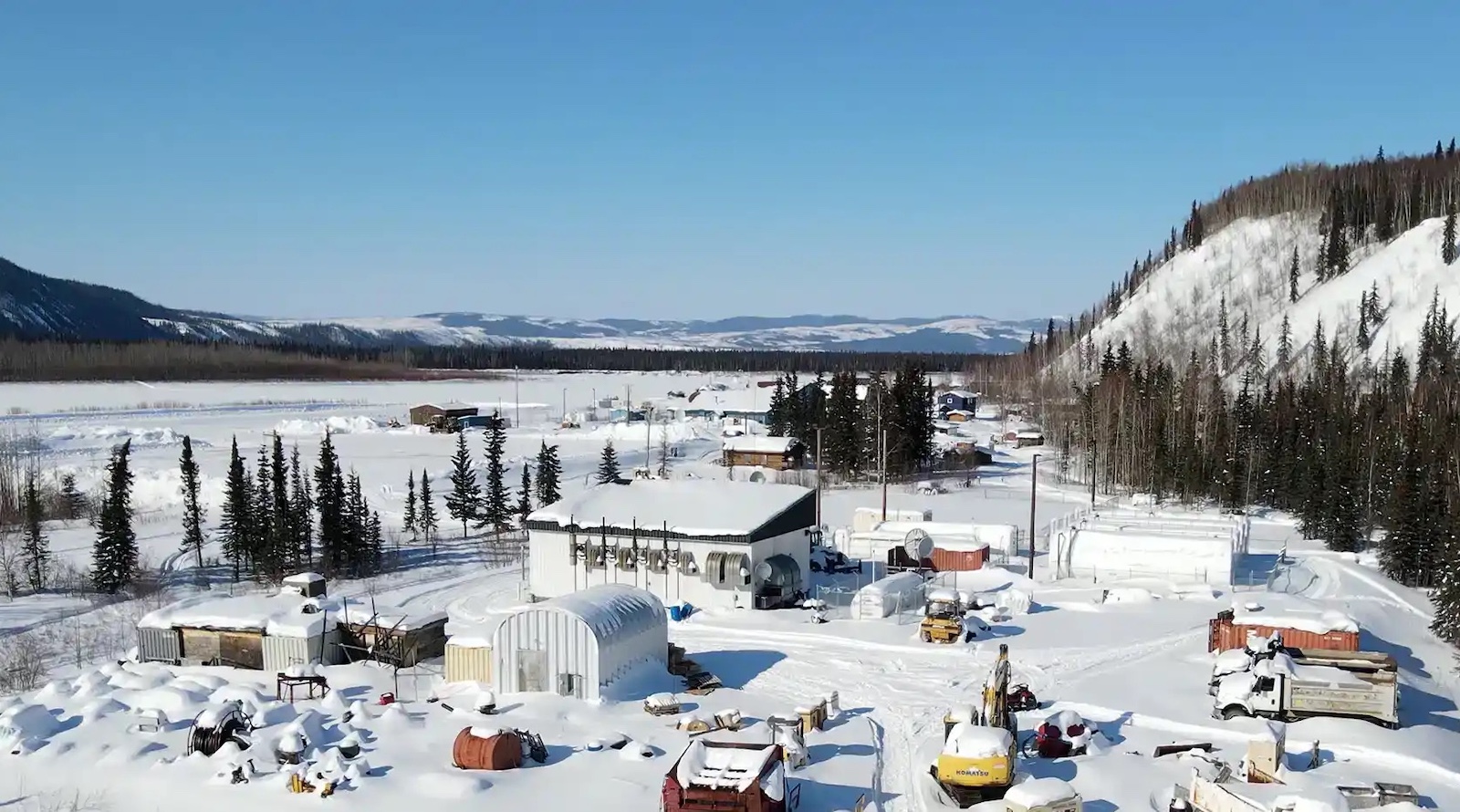
The National Laboratory of the Rockies is opening a $2.5 million funding opportunity for communities and industries that pay some of the highest electricity prices in America. Through the Community Microgrid Assistance Partnership, supported by the U.S. Department of Energy's Office of Electricity, remote and isolated regions across the United States can now access direct funding to build or upgrade microgrids—energy systems that generate, store, and manage electricity locally, operating independently or alongside the larger grid.
Microgrids matter profoundly in places where conventional electricity infrastructure has failed to deliver affordability or reliability. Across remote America, energy costs are punishingly high and power outages are frequent, stranding essential services and economic opportunity. By creating localized energy networks, communities and industries can operate independently when the main grid fails, ensuring hospitals stay lit, water systems run, and critical operations continue. This second round of C-MAP funding explicitly targets both community needs and industrial development, focusing on projects serving large energy users like critical mineral operations and enterprise-scale computing centers—sectors that demand dependable, year-round power to remain competitive and secure.
Individual projects will receive between $200,000 and $575,000 in direct funding, supplemented by up to 24 months of technical and administrative support from DOE national laboratories and partners. Eligible applicants include nonprofit energy cooperatives, state and local governments, federally recognized American Indian and Alaska Native Tribes and villages, and—for certain project categories—U.S. businesses. The program prioritizes regions with populations under 10,000 where electricity prices are elevated, ensuring resources reach the most underserved communities.
The funding opportunity spans five distinct areas of microgrid work. Regional Microgrid Coordination helps communities collaborate to improve reliability, security, and affordability together. Microgrid Integration with Large Load Energy Consumers supports utilities working more closely with high-energy industrial clients. Microgrid Development funds detailed design work for major system upgrades. Microgrid Transformation provides direct implementation support for innovative improvements. And Microgrid Assessment for Industrial or Other Large Load Energy Consumers helps large energy users evaluate whether an advanced microgrid makes economic sense.
"C-MAP is delivering critical support to parts of the country facing some of the highest electricity costs and lowest reliability," said Murali Baggu, Laboratory Program Manager for Grid Integration at the National Laboratory of the Rockies. "Through our customized, innovative technical assistance, we're helping communities and high-demand industries implement microgrid solutions that keep essential services running and maintain operations year-round."
Beyond funding, C-MAP offers free resources at any stage of planning. The Microgrid Support Services program provides short-term, on-demand technical assistance for specific questions or challenges. The Community Microgrid Innovation Exchange, an online library, hosts hundreds of publicly available tools, case studies, reports, and webinars to guide communities through the planning and deployment process.
Proposals are due July 2, 2026. An informational webinar is scheduled for May 26, 2026, with full details and application materials available at energy.gov/c-map or by contacting cmap@nlr.gov. For American communities and industries tired of waiting for grid reliability and affordable power, this funding opportunity represents a concrete pathway toward energy independence and resilience.