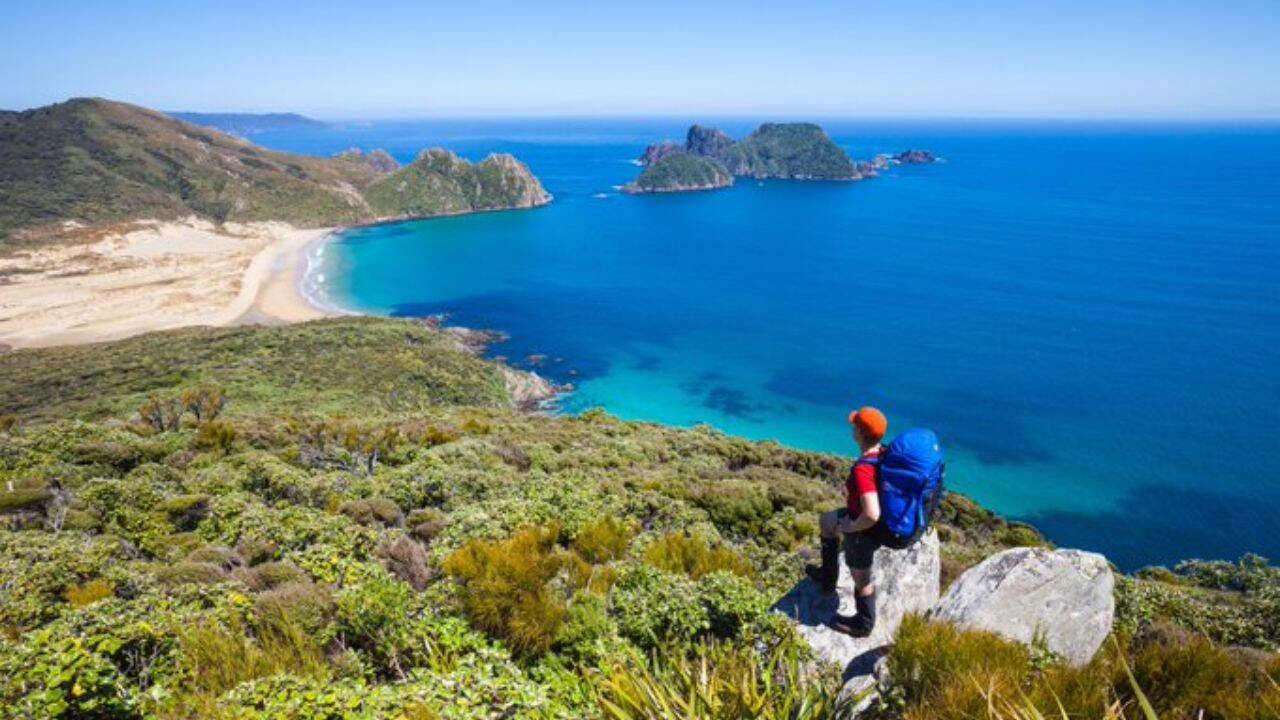
Deep in the southern Pacific Ocean, New Zealand is launching one of its biggest ecological rescue missions ever, spending NZ $202 million to save three island groups from invasive mammals — and bringing Indigenous communities along as partners in the work.
The project targets Maukahuka/Auckland Island, Rakiura/Stewart Island, and the Chatham archipelago. Each is far larger than any island New Zealand has cleared of pests before — four to fifteen times bigger, to be exact. Maukahuka alone is home to more than one hundred species found nowhere else on Earth, yet mice, pigs, and feral cats now threaten that delicate life. On Rakiura, conservation teams plan to remove feral cats, rats, possums, and hedgehogs. In the Chathams, the focus is on possums and feral cats in key areas of the island chain.
For millions of years, New Zealand's plants and animals evolved without land-based mammalian predators. Birds nested on the ground, some stopped flying, and none learned to fear four-legged hunters. Then humans arrived, bringing rats, cats, pigs, and other invaders aboard their ships. What was once a safe haven became a trap for native wildlife.
But this effort is not just scientists versus pests. The project was built around Indigenous leadership. Rakiura and Maukahuka sit within the traditional territory of Ngai Tahu, a Māori iwi, and the role of kaitiaki — guardians of the land — is central to the work. In the Chathams, the Hokotehi Moriori Trust and Ngati Mutunga o Wharekauri are equal partners alongside the government. Previous successes clearing smaller islands near Rakiura paved the way for this larger ambition.
The rewards stretch far beyond the shore. Islands freed of invasive species can support fifty percent more fish biomass and recover from coral bleaching up to four times faster, because seabirds return, their droppings fertilising both soil and ocean. Rakiura could become a future refuge for the kākāpō, one of the world's rarest birds. The Chathams are critical habitat for seabirds including the tāiko and several albatross species.
New Zealand already has a remarkable record — one hundred and ten successful pest eradications on islands, and two-thirds of its offshore islands already free of predators. This new project draws on that experience while testing whether the same approach can work at a much larger scale. If it succeeds, it could offer a blueprint for island restoration worldwide, proving that Indigenous knowledge and modern science working together can begin to undo centuries of ecological harm.