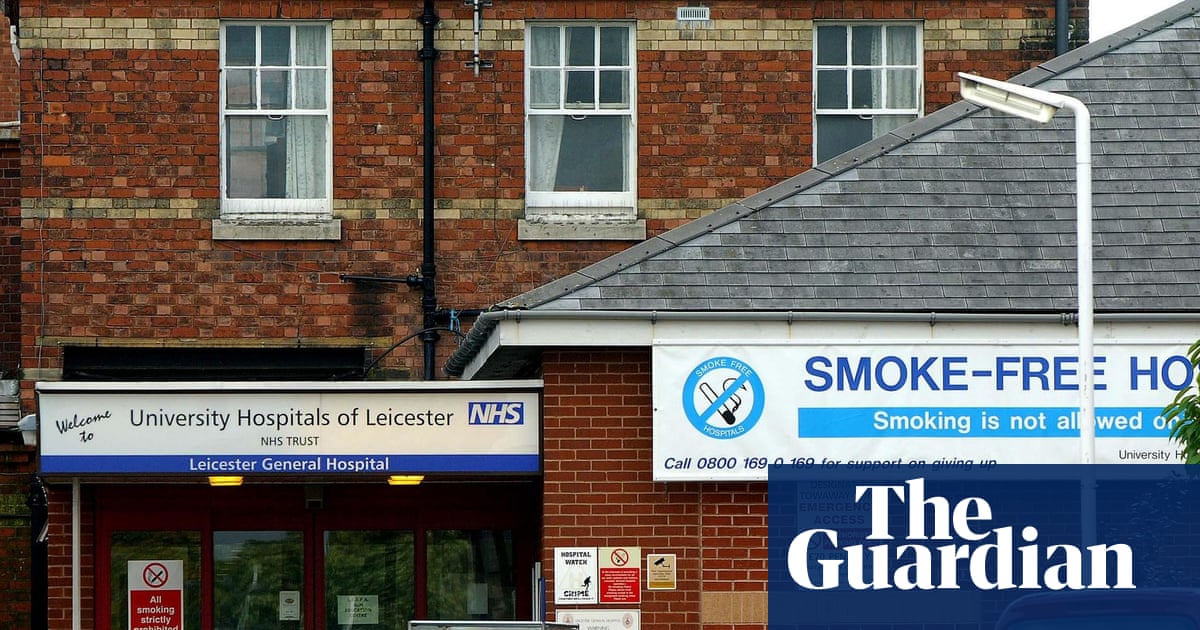
Jayne Douglas-Moore pulls the tube through the patient's urethra in what takes just 90 seconds, and yet the experience leaves many uncomfortable enough to refuse the test altogether. As a consultant urological surgeon at University Hospitals of Leicester, she has watched countless patients decline the cystoscopy—the gold standard for bladder cancer diagnosis for decades—precisely because it is invasive, intimate, and despite its speed, deeply unpleasant. Now, something simpler is changing the equation: a urine sample sent from home, results in sixteen days, and a breakthrough that could transform how we catch a cancer that kills nearly 6,000 people each year in the UK.
The Galeas bladder cancer test arrived at Leicester in recent weeks as part of a quiet but significant shift across NHS hospitals in England and Wales. It is a non-invasive DNA-based screening that asks patients for nothing more than a urine sample posted from their home—a stark contrast to the camera-through-the-urethra procedure patients have endured for generations. Five hospitals have already adopted it, and at least 16 more will follow by year's end, driven by compelling evidence and something just as important: patient relief.
The numbers speak to why this matters. An NHS trial conducted in 2024-25 across seven hospitals tested 964 patients and found the Galeas test correctly identified bladder cancer in 92 percent of cases. The traditional cystoscopy managed only 81 percent accuracy, partly because manually operated cameras struggle to distinguish cancers of varying shapes, shades, and sizes. Beyond raw accuracy, the speed is remarkable. Early data from Leicester shows results delivered in 16 days—well within the NHS's 28-day faster diagnosis standard for cancer—and roughly 50 percent faster than waiting for a cystoscopy appointment and procedure.
Jeff Bousfield, chief executive of Nonacus, the biotech firm behind Galeas, believes the test's 92 percent accuracy will improve further as the rollout continues. The innovation itself came from Prof Richard Bryan, a urologist-turned-researcher at the University of Birmingham's bladder cancer centre, working alongside Dr Doug Ward. They identified the 23 genes most commonly linked to bladder cancer and built a test around them.
But perhaps the truest measure of success is what happens when patients learn they have a choice. Douglas-Moore describes cystoscopy bluntly: patients receive anaesthetic gel but remain awake for an intimate examination that, despite lasting only one to two minutes, is commonly declined. The embarrassment and discomfort are real barriers to diagnosis. By contrast, Galeas removes those barriers entirely. Patients take the test at home, post their sample, and wait—removing a major friction point from the diagnostic pathway. More people are actually getting tested, which is precisely the outcome public health demands.
The test also opens an earlier window of detection. Rather than waiting to arrange a separate hospital appointment, patients can be screened when they first visit their GP with blood in their urine—a symptom that prompts investigation in more than 10,000 people annually in the UK. Cancer Research UK co-funded early studies because of that potential. Tony Hickson, the charity's chief business officer, notes that innovations like this are "critical for improving how we diagnose cancer cases," and the test could replace "unpleasant and invasive procedures patients currently experience when getting their symptoms checked out."
Prof Frankie Swords, NHS England's national medical director, frames Galeas as part of a longer story: the NHS's tradition of adopting innovations to improve care. This test exemplifies that spirit—healthcare professionals taking initiative, trialling new technologies, and fundamentally shifting how patients experience diagnosis. Bladder cancer, the 11th most common cancer in the UK, no longer demands discomfort as the price of detection.