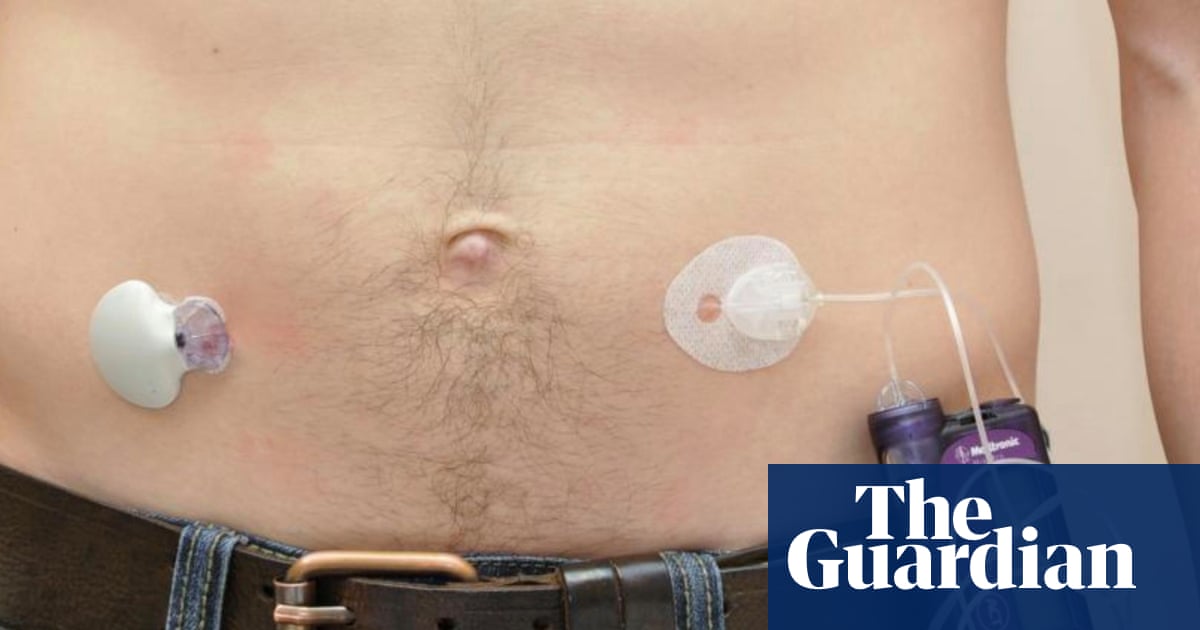
Three years ago, Naiha Shafiq from London was spending nearly every week in hospital, struggling with diabetic ketoacidosis—a life-threatening complication triggered by her inability to manage her insulin injections. "There was a time I would be in hospital every three to five days," she recalls. Then came an artificial pancreas, a device that would transform not just her health, but her daily dignity as a Muslim woman navigating a healthcare system that hadn't always made space for her needs.
Shafiq's story is part of a remarkable shift across the NHS. The rollout of hybrid closed-loop systems—the official name for artificial pancreases—has begun to reverse a troubling pattern that plagued previous diabetes technology rollouts: stark disparities in who got access based on ethnicity and wealth. Where earlier programs showed clear gaps between white and minority ethnic patients, and between rich and deprived communities, the first two years of the artificial pancreas programme has narrowed that divide to just 3% between the most and least deprived populations, and similar near-parity between ethnic groups.
The device itself is elegantly simple in concept but revolutionary in practice. A continuous glucose monitor worn on the body feeds real-time blood sugar data to an algorithm—embedded in the insulin pump or accessed via smartphone—that calculates precisely how much insulin to deliver. For patients, the mental weight lifts immediately. No more mental arithmetic around mealtimes. No more midnight anxiety about blood sugar crashes. No more impossible choices about where and when to inject.
For Shafiq, the psychological relief ran deeper. "As a Muslim woman who wears hijab it was extremely difficult for me to be on injections as I would always look for somewhere private to inject most times, and if there was nowhere private to inject I would miss injections because I wasn't comfortable. The pump makes life now so much easier." She was hesitant at first, but when she became pregnant and realized her erratic insulin management posed risks to her son, she committed to the change. "I loved it," she says simply.
The scale is striking. By 2024, about 32,000 children have been fitted with artificial pancreases through the NHS—representing 72.3% of eligible children. In 2023, the NHS committed to offering the device to more than 150,000 adults and children with type 1 diabetes, with the programme set to continue for years until all eligible patients have access. The UK has become a global reference point for equitable rollout of this technology.
Helen Kirrane, head of policy and campaigns at Diabetes UK, frames the achievement clearly: the rollout represents "a world-leading rollout on the NHS with equity at its very core." Yet both she and leaders at organizations like Breakthrough T1D acknowledge the work ahead. Ensuring every eligible person across all four nations of the UK can access the device remains the challenge—particularly for those in underserved regions or those who might fall through administrative cracks.
Dr. Clare Hambling, the NHS's National Clinical Director for diabetes and obesity, celebrates the "ground-breaking technology" transforming "tens of thousands of children and young people," crediting "the dedication of our paediatric diabetes teams across the country." What emerges is a portrait of innovation meeting equity by design rather than by accident—a health system learning to ask not just "Can we do this?" but "Can we do this fairly for everyone?"