When William Li speaks about the future of transportation, the auto industry listens. This week, the NIO founder and CEO made a bold declaration at the 2026 Nio Partner Day event: he believes 90 percent of China's auto market will be new energy vehicles by 2030. Given that China just crossed the 63 percent plugin vehicle threshold last month, that projection suddenly feels less like a moonshot and more like an inevitable tide.
What's even more striking is Li's conviction that pure battery electric vehicles — not plugin hybrids — will drive that transformation. He expects BEVs to account for a full 90 percent of Chinese auto sales within six years. That's a significant stance from a company that has remained committed to its all-electric mission while competitors have branched into hybrid offerings.
The numbers behind China's auto ambitions are staggering. The country is home to the world's largest automotive market, responsible for 35.6 percent of global vehicle sales last year — 34.35 million cars out of a worldwide total of 96.47 million. If Li's vision holds true, nearly every new vehicle on Chinese roads in 2030 will run on batteries alone.
Li attributes this coming shift to rapid advances across the board: full-stack technology for pure-electric vehicles, expanding charging infrastructure, battery swapping networks, and cleaner energy grids. The pieces are aligning faster than many predicted.
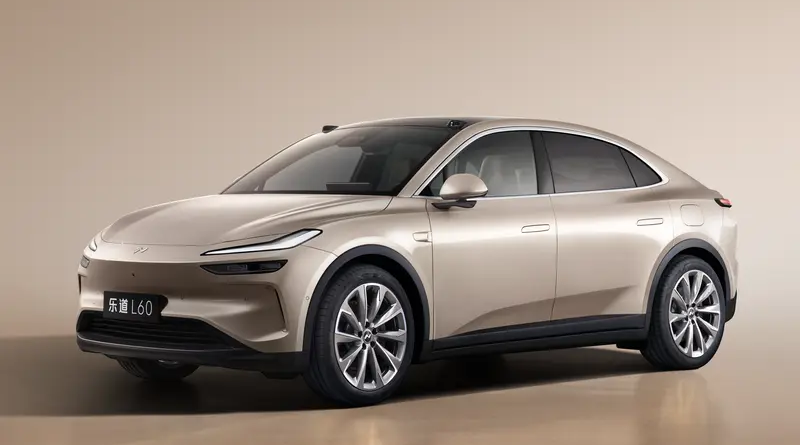
Meanwhile, NIO's mass-market Onvo brand hit a milestone of its own. The Onvo L60 crossed 100,000 cumulative deliveries this week, just months after deliveries began in September 2024. An updated version of the model launched earlier this month with a price cut of nearly 7 percent, now available in three trims ranging from 192,800 yuan for the base model to 222,800 yuan for the top-spec Ultra+. For buyers opting for NIO's battery-as-a-service rental model, starting prices drop to 135,800 yuan. The updated L60 also became the first vehicle to feature NIO's in-house developed 5-nanometer smart driving chip, the Shenji NX9031, powering advanced point-to-point navigation assistance.
As China accelerates toward an all-electric future, NIO is betting that technology and speed will determine which automaker leads the way — and right now, the odds look increasingly favorable for those willing to go all in on batteries.