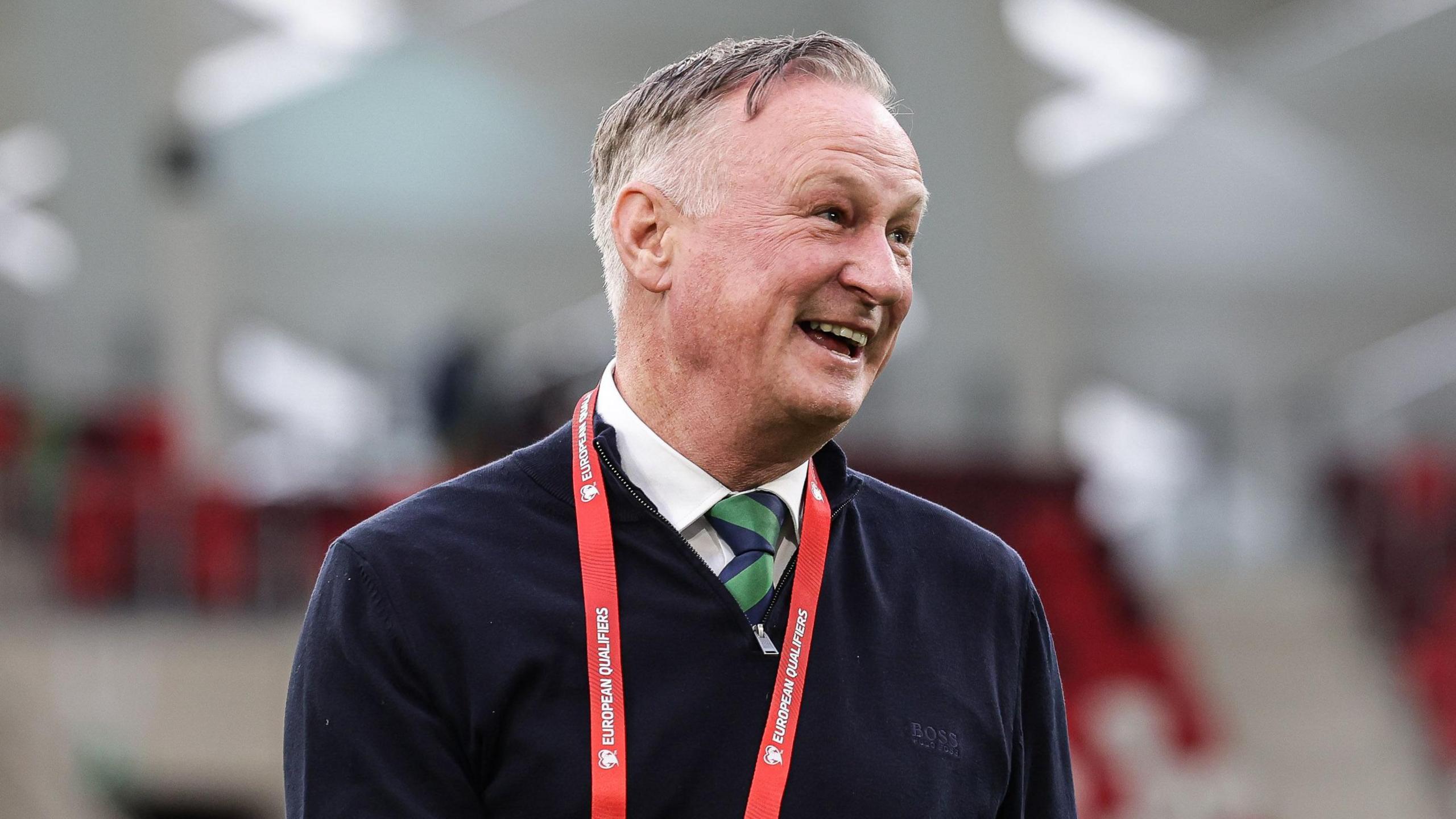
Michael O'Neill is staying put. At 56, the Northern Ireland manager has signed a four-year contract extension that will keep him at the helm until 2032, doubling down on his belief in a squad that came achingly close to the World Cup but fell short. The decision, announced after O'Neill stepped away from an interim role at Blackburn Rovers, signals his unwavering commitment to a team still learning how to compete on football's biggest stages.
O'Neill's tenure with Northern Ireland has already made history. Over 104 competitive games, he has guided the nation through moments of genuine pride—including their first major tournament appearance in 30 years at the 2016 Euros. Yet recent months have tested that resolve. Italy's playoff victory in their 2026 World Cup qualifier cut deep, ending Northern Ireland's dreams of a place in the tournament and leaving a young squad to process disappointment.
What makes O'Neill's decision significant is the clarity of his vision. "This is a role that means a great deal to me," he said in announcing the extension. "I continue to believe strongly in the potential of this group of players and the direction we are moving in." Those words matter more than contract semantics. They reflect a manager who sees potential where others might see setback—who believes that youth and continuity can compound into something special.
The timing is deliberate. Rather than chase the Premier League spotlight with Blackburn, O'Neill chose to remain with Northern Ireland, a smaller football nation that rarely gets its day in the sun. That choice speaks volumes about his priorities. His immediate calendar is modest but purposeful: a friendly against Guinea on 4 June, followed four days later by a fixture against France. These matches serve as preparation for the Nations League campaign launching in September, where Northern Ireland will test itself again on the continental stage.
O'Neill's record is undeniable. One hundred and four games managing his country represents an accumulation of knowledge, relationships, and shared experience with this group. There will be no learning curve when September arrives—only the work of building on what has already been established. For a small football nation, continuity at the managerial level is rare and valuable. It allows young players to develop within a system they understand, under a voice they have learned to trust.
The extension to 2032 is ambitious, but it reflects the reality of international football timelines. By then, O'Neill will be 64, and this group of young players will have matured into their prime years. If the trajectory holds, the 2026 heartbreak might look like a necessary chapter in a larger story—the moment that forged resilience, rather than the ending itself.
For now, O'Neill's focus is clear and his commitment unmistakable. Northern Ireland has a manager who believes in its future, and the contract reflects that faith. There is, as he said, a lot of work ahead. But excitement, too.