When Victoria pulled out of hosting the Commonwealth Games in 2023, Glasgow didn't hesitate. The Scottish city answered the call and delivered 11 days of sport that organizers say "exceeded all expectations." And the numbers tell a story of something special.
More than 434,000 tickets were sold for the scaled-back event, held in smaller venues than usual. While that figure falls short of Birmingham 2022's 1.5 million, anyone inside the arenas felt something real. The crowds were joyful and engaged — rare, according to reporters on the ground, for a venue to feel anything less than electric.
For athletes, Glasgow became a stage for dreams.
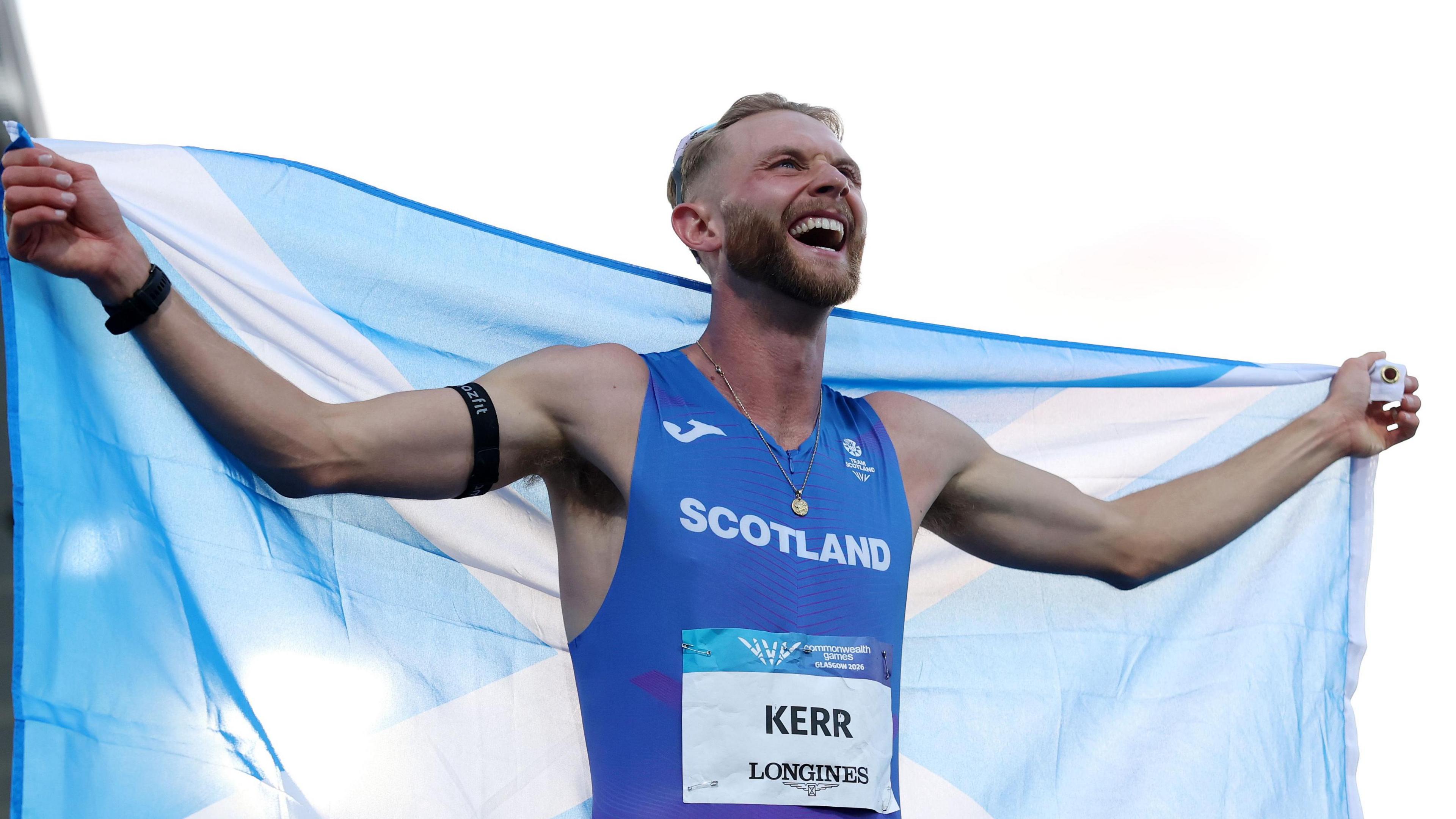
Scottish runner Josh Kerr found gold on his home track at Scotstoun. Swimmer Faye Rogers brought her Paralympic success back to the pool, winning gold and then competing in the non-paralympic event too. Cyclist Emma Finucane, who already had three Olympic medals from Paris, added four Commonwealth golds to her collection in Glasgow. Eighteen-year-old swimmer Filip Nowacki from Jersey emerged as one of the most exciting new names of the Games.
But the magic stretched beyond the medalists.
Tarona Taafaki won Tuvalu's very first Commonwealth medal. "It means there's a start, there's a beginning, and right now it just the beginning of what Tuvalu can reach in the future," she said. Australian runner Rose Davies, part of a team that won 70 of the 216 golds awarded across the Games, put it simply: "I always looked up to it as a little girl and wanted to compete at a Commonwealth Games. It is a big part of our development."
Not everything was perfect. Some local residents complained about losing parking spaces. Taxi drivers and shop owners felt the Games passed them by. In the UK, broadcast coverage was spotty, and the absence of stars like Keely Hodgkinson and Dina Asher-Smith in athletics left gaps.
Yet 5,000 athletes from 72 nations and territories still showed up — each for their own reasons. For netball players, the Commonwealth Games remain the pinnacle. For others, it's a stepping stone toward something bigger.
The next chapter will be Ahmedabad in 2030, where costs are already projected to nearly double Glasgow's £160 million budget, and the number of sports will rise from 10 to 17. Cricket, shooting, archery, and hockey may return. The BBC has been invited back to negotiate broadcast rights.
Whether the Commonwealth Games can solve its financial and logistical puzzles remains unclear. But one thing seems certain: as long as young athletes like Filip Nowacki, Rose Davies, and Tarona Taafaki dream of wearing their nation's colors on that stage, the Games have a future worth believing in.